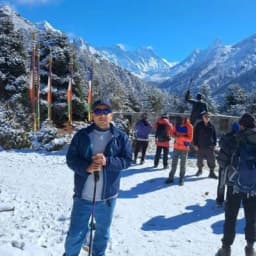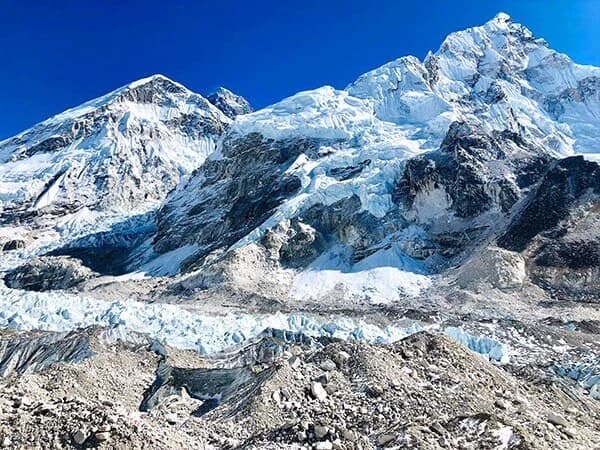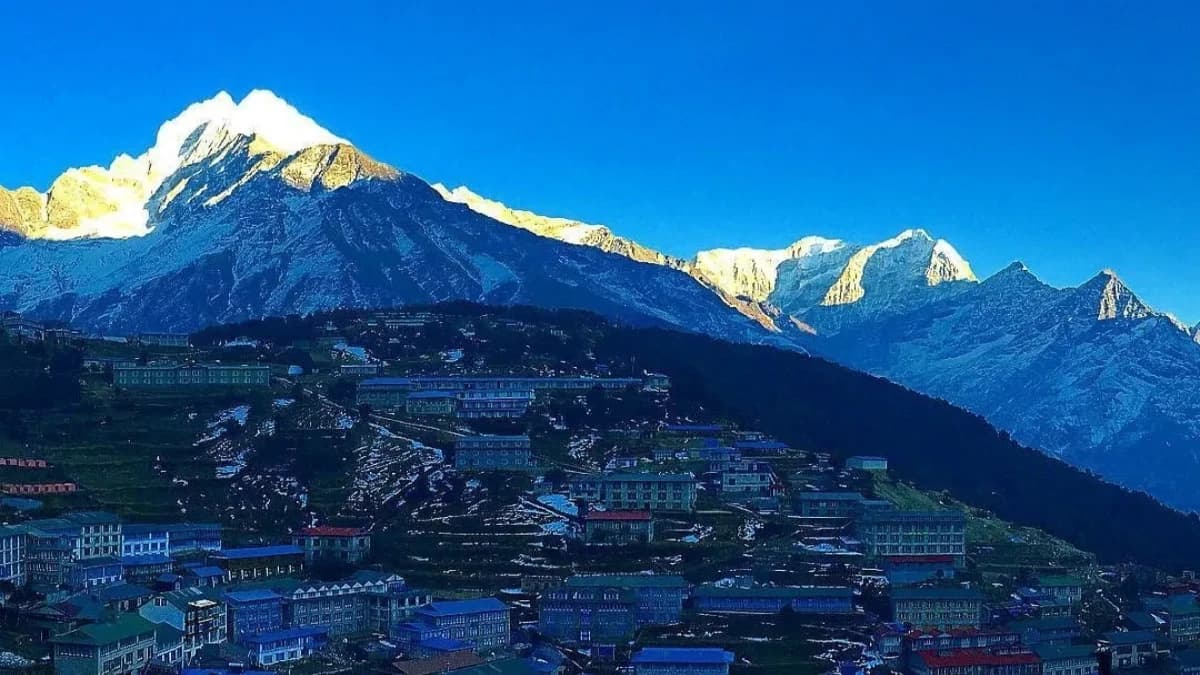
Namche Bazaar (also spelled Namche Bazar, Nemche Bazaar, or Namche Baza) is the main commercial center for travelers in the Khumbu region of Nepal, set in an impressive horseshoe-shaped amphitheater of mountains.
This busy mountain town, officially incorporated into Solukhumbu District’s Khumbu Pasanglhamu Rural Municipality’s Ward 5, is the gateway to the high Himalayas. It is also a culturally rich area and an important corner of the Everest trekking corridor. Most of the Sherpas who run the tourism and mountaineering businesses in the region come from this very area.
Where is Namche Bazaar?
Namche Bazaar is in the northeast mountains of Nepal, right in the heart of the Khumbu region. It is famously built into a steep mountain slope, shaped like an amphitheater.
You can find the exact coordinates and location information below:
-
Latitude: 27° 48' 16.5" N (27.8046°)
-
Longitude: 86° 42’ 39.5” E (86.7110°)
-
Elevation: 11,286 ft (3,440 m) above sea level
-
District & Province: The Solukhumbu District, located in the Koshi Province of Nepal.
-
National Park: The whole town is within the boundary of Sagarmatha National Park, a UNESCO World Heritage site.
-
Distance from Kathmandu: It is about 135 kilometers (84 miles) east of the capital.
Namche has no roads, so to get to these coordinates, you need to fly to the mountain airstrip at Lukla and then trek uphill for two days along the Dudh Koshi River.
Planning an Everest trek? Explore our Everest Base Camp Trek package with experienced Sherpa guides and personalized itineraries.
History of Namche Bazaar
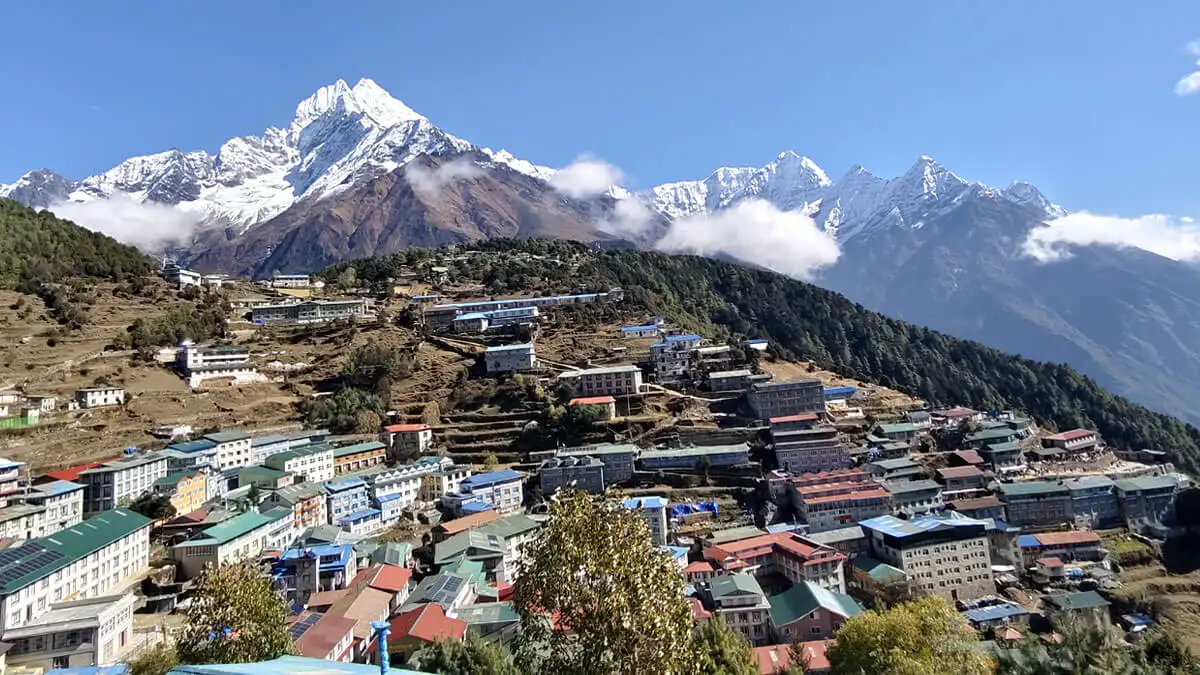
The history of Namche Bazar stretches back over 500 years, from a dense, high-altitude forest to a key trans-himalayan trading center and then to the bustling “Gateway to Everest.” Nestled in a dramatic, crescent-shaped mountain amphitheater at 3,440 meters (11,286 feet), its history is entwined with the Sherpa people, Tibetan trade routes, and the beginnings of global mountaineering.
Origins and the Great Dark Forest (Before the 15th Century)
Before becoming a permanent human settlement, the natural horseshoe basin that is now Namche was an entirely unique place from the town of today. The original name, Namche, has traditionally been called Nauje in the local language. The name comes from the older Sherpa and Tibetan words "Nak-che," which literally means “big dark forest” or “black forest.”
The scene of the basin was once a dense, heavily wooded patch of Himalayan forest, centuries ago. Generations of settlement have removed most of the ancient timber, but small remnants of the original woodland survive even today near the western edge of town by the monastery.
The Rise of a Trans-Himalayan Trading Center (15th to mid-20th centuries)
The ancestors of the Sherpa people came from Tibet across the treacherous, high-altitude passes of the Himalayas and settled in the fertile valleys of the Khumbu region (e.g., Thame and Pangboche) about 600 years ago.
The forested basin of Namche was naturally an advantageous strategic crossroads, with its central location, reliable natural water springs, and protection from harsh mountain winds.
-
The Salt Trade Route: Namche became an important trans-himalayan trading post linking Tibet, Nepal, and India. Tibetan traders would guide yak caravans laden with salt, wool, sheep, and dried meat over the mountain passes down to Namche.
-
The Barter System: Here they would meet Nepalese traders coming up from the lower southern valleys. They traded Tibetan goods for the necessities that could not be produced at high altitudes, such as grains, rice, tea, sugar, and paper.
-
The Market Tradition: So a regular market system was set up to make this exchange possible. The second part of its name, “Bazaar,” solidified its position as a permanent commercial hub. This centuries-old tradition lives on today in the form of the famous Saturday Market, where locals from all over the Khumbu come together to trade.
The Mountaineering Boom and the 1953 Turning Point
Namche was a regional trading secret, isolated for centuries. But the mid-20th century’s massive geopolitical and economic shift transformed the town.
-
The Closure of the Frontier: The old, uncontrolled traffic across the frontier decreased considerably after the political changes in Tibet in the 1950s, jeopardizing the old Sherpa bartering economy. The First Everest Ascent With traditional trade drying up, the world turned its attention to exploration. In 1953, Tenzing Norgay Sherpa and Sir Edmund Hillary achieved the first successful ascent of Mount Everest.
-
The Shift to Tourism: The international headlines from the 1953 expedition led to a giant influx of mountaineers, trekkers, and explorers from all over the world. The Sherpas are, after all, incredible endurance athletes, strong and built for altitude. They have the strength to carry on, and they do. The Sherpas evolve from trans-himalayan traders to world-renowned mountain guides, expedition leaders, and hospitality entrepreneurs.
The Wealthy Himalayan Capital of Modern Namche
Namche Bazaar is the wealthiest mountain settlement in Nepal, with a local per capita income estimated to be up to five to seven times higher than the national average. 2014 Nepal Human Development Report reveals that its average income is even twice as high as the capital city, Kathmandu.
-
Acclimatization and Staging: Namche Bazar is the first major settlement on the Everest trail that is above the altitude sickness cutoff point, making it the mandatory acclimatization and staging (resting) point for almost every trekker and climber heading to Everest Base Camp, the Gokyo Lakes, or the Three High Passes.
-
High-altitude modern amenities: The town has upgraded its old stone and slate dwellings to high-standard lodges, hotels, world-renowned bakeries, equipment shops, banks, ATMs, and high-altitude pubs.
-
Heritage Preservation: Though the town has undergone rapid modernization, it is a living museum of Himalayan history. It is the home of the Sagarmatha National Park headquarters, the Namche Monastery (built in 1905), and several cultural centers dedicated to the preservation of Sherpa customs, Tibetan Buddhism, and the memory of the early Everest pioneers.
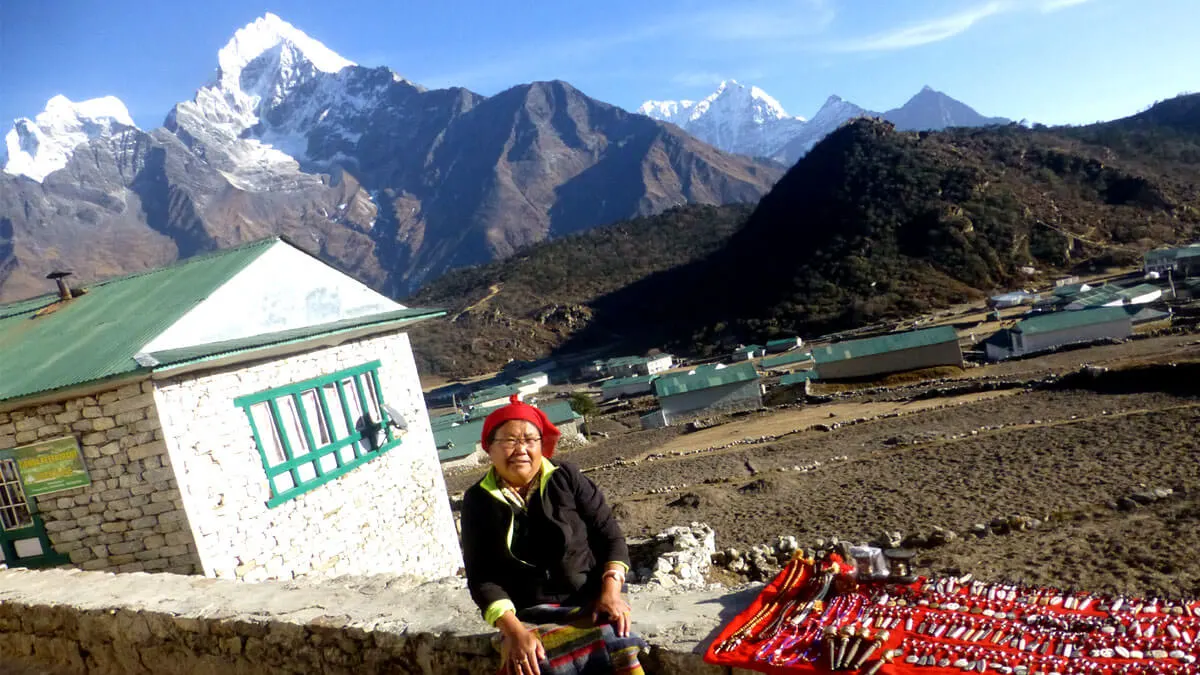
Spiritual Guardianship: Sacred Peaks and Monasteries at Namche Bazar
The mountains are the sacred domains of the gods, and locals do not conquer them. The famous Khumbila (Khumbu Yul Lha) peak just behind Namche is believed to be the protective god of the whole Khumbu Valley, and it is strictly forbidden to climb it.
Namche Monastery is the town's spiritual center. It is a beautiful place with detailed frescoes, clay statues of Guru Rinpoche, and old sacred texts. Here life beats to the sound of Buddhist rituals. Every morning starts with the lighting of butter lamps (chome) and the burning of juniper incense, filling the crisp mountain air with a distinct sweet fragrance.
How Namche Bazaar Survives: From Silk Road Traders to Mountaineering Legends
Historically, people of Namche didn’t depend on tourism but on trade. Namche’s position along the ancient trans-Himalayan trade routes made it the main hub for trading Tibetan salt, wool, and yaks for lowland Nepalese grains, paper, and spices.
When Nepal opened its borders to foreigners in the 1950s, the Sherpas became the natural backbones of Himalayan mountain climbing thanks to their natural physical endurance and intimate knowledge of the terrain.
Today, many people make their living owning hotels, restaurants, and equipment shops in Namche Bazaar; the seasonal income from guiding expeditions remains an important pillar of the local economy.
The harsh, freezing winter months (December to February) bring a quiet mass migration, with many locals temporarily closing their shops and moving down to the warmer climates of Kathmandu or India to escape the sub-zero chill.
What people eat at Namche Bazar?
Traditional Sherpa cuisine is built purely around sustenance, warmth, and carbohydrates needed to survive the unforgiving mountain climate. Orthodox Sherpa Buddhism strictly forbids the slaughter of animals within the sacred boundary of the Khumbu, so non-Sherpa porters must carry all meat up on foot from lower regions like Khari Khola.
Traditional Sherpa Staples
-
Riki Kur: Delicious, starchy potato pancakes made from grated mountain potatoes, fried on flat iron griddle plates, and traditionally served with a generous dollop of rich yak butter and a fiery side sauce made from local herbs and curd.
-
Sherpa Stew (Syakpa): The ultimate mountain comfort food. This hearty, warming broth is packed with hand-pulled wheat noodles, chunks of potato, radishes, and dried meat (often water buffalo or yak sukuti), seasoned heavily with wild Himalayan pepper (zilma).
-
Tsampa & Butter Tea (Suja): Roasted barley flour rolled into dense, nutritious balls and paired with traditional Tibetan tea churned with salt and bricks of yak butter. This dense fat and carbohydrate combination provides long-burning energy for high-altitude farm work and heavy portaging.
Understanding the Altitude of Namche Bazaar
Managing your ascent rate up the Khumbu Valley is the thin line between a successful trek and an early emergency evacuation. This is why understanding the geography of this specific staging ground is vital.
How High is Namche Bazaar?
If you are wondering how high Namche Bazaar is, the town sits at an elevation of 3,440 meters (11,286 feet) at its lowest point, populating the steep sides of a hill that climbs even higher.
The Namche Bazaar altitude is globally recognized as the ultimate baseline for safe high-altitude acclimatization because it sits just past the critical 3,000-meter threshold, where atmospheric pressure drops significantly.
The Golden Rule of Acclimatization
The grueling, steep climb from the Dudh Koshi riverbed up the relentless Namche hill forces a rapid elevation gain. Because of these factors, medical experts and experienced guides recommend spending at least two consecutive nights at this elevation. Adding to those high-altitude hurdles, breathing in the cold, dry mountain air day after day can also trigger a persistent, scratchy irritation in your throat known as Khumbu cough, making proper hydration and using a buff or scarf to warm the air you breathe essential as you climb higher.
An ideal acclimatization day follows the classic mountaineering philosophy: "Climb high, sleep low." Spending your day hiking to nearby higher ground triggers your body to produce more red blood cells while allowing you to rest and recover at the safer, lower altitude of Namche Bazaar at night.
Need help planning a safe Everest itinerary? Talk to our trekking experts for personalized acclimatization and route recommendations.
Planning Your Journey: How to Reach Namche Bazaar
This mountain sanctuary, located 137 kilometers (85 miles) northeast of Kathmandu and 366 kilometers (227 miles) north of the provincial capital of Biratnagar, requires careful logistical planning to access.
How to Reach Namche Bazaar from Kathmandu?
The most common way to reach Namche Bazaar on a visit is to fly there internally and then trek for two days in the Everest region. This is the usual way to go from Kathmandu to Namche Bazaar:
1. Kathmandu to Lukla by flight (30 to 40 minutes)
Start your journey with a scenic flight from Kathmandu to Lukla. In peak trekking seasons, flights may operate from Ramechhap instead of Kathmandu. Lukla is the gateway to the Everest region and home to the famous Tenzing–Hillary Airport.
2. Trek to Phakding from Lukla (3–4 Hours)
Upon your arrival at Lukla, start your trek along the trail that follows the Dudh Koshi River. The trail slowly drops through small Sherpa villages until you arrive at Phakding (2,610 m), where most trekkers spend their first night.
3. Sagarmatha National Park (2–3 Hours)
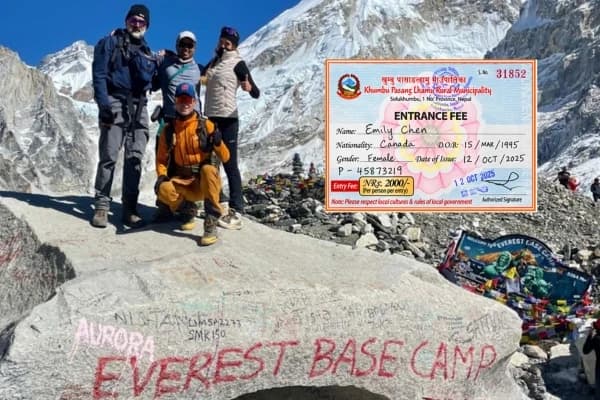
The following day, continue your trek through pine forests and over several suspension bridges. On the way, you will reach the entrance checkpoint of Sagarmatha National Park, where you will need to have your trekking permits verified before moving further into the Everest region.
4. Hike up the Famous Namche Hill (3-4 Hours)
Crossing the famous Hillary Suspension Bridge, the trail climbs steeply up to Namche Bazaar. This is a tough uphill section, called Namche Hill, with switchbacks and the first time you’ll be able to see Mount Everest on a clear day. You will climb for several hours before arriving at Namche Bazaar (3,440 m), the largest Sherpa settlement in the Khumbu region.
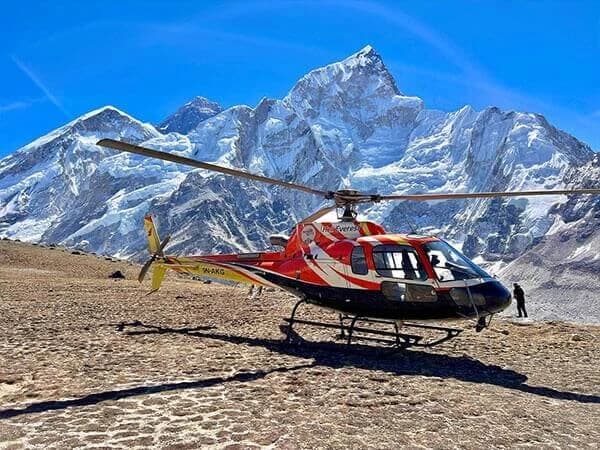
Another choice is to take a helicopter to Namche Bazaar.
For those seeking a quicker, more comfortable way to travel, a private helicopter charter can take you directly from Kathmandu to the helipad at Namche Bazaar. This option takes out the trek from Lukla but is far pricier than the traditional route.
Let us handle your flights, permits, guide, and accommodation so you can enjoy a hassle-free journey to Namche Bazaar. Contact us today.
Weather and Climate Data of Namche Bazar
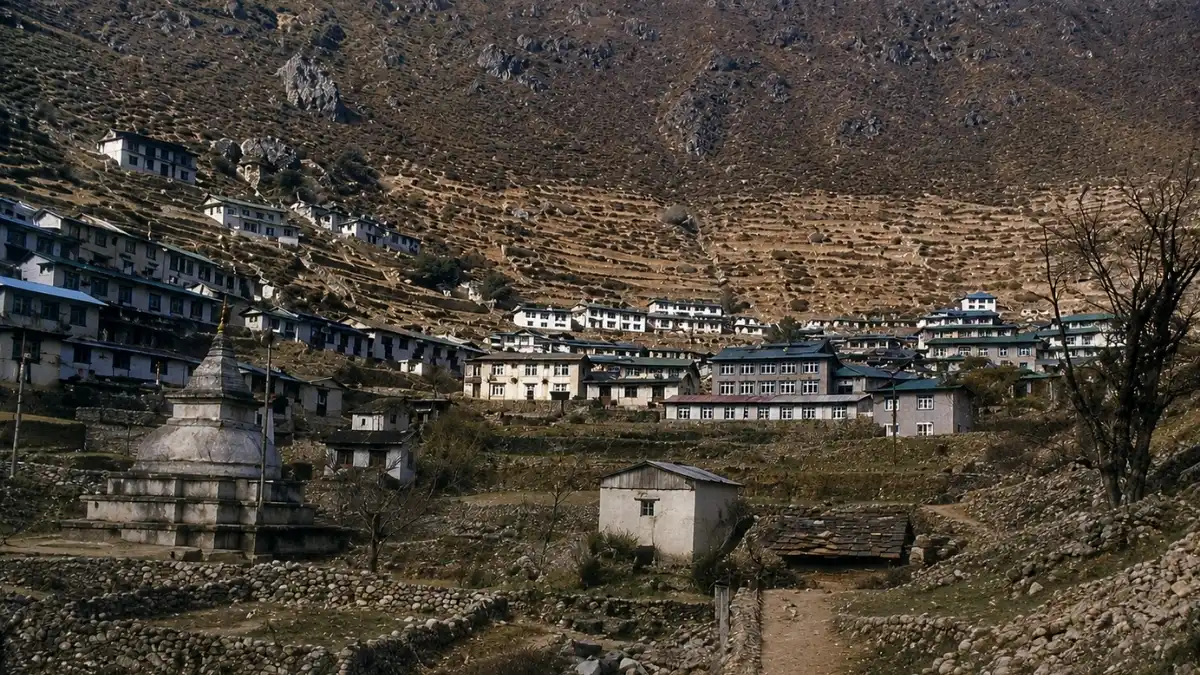
The local Namche Bazaar weather falls under a relatively cold, dry-winter subtropical highland climate or an unusually mild, dry-winter warm-summer humid continental climate. The town features pleasant, wet summers influenced by the monsoon and chilly, dry winters.
|
Season |
Average Day Temp |
Average Night Temp |
Visibility & Trail Conditions |
|
Autumn (Sep - Nov) |
12°C to 15°C |
1°C to -7°C |
Peak Season. Pristine, razor-sharp air clarity; deepest blue skies; highly stable weather with minimal flight delays. |
|
Spring (Mar - May) |
10°C to 14°C |
4°C to -3°C |
Wildflower Season. Warm days; brilliant rhododendrons blooming across the lower valleys; slightly foggier afternoons. |
|
Winter (Dec - Feb) |
6°C to 8°C |
-4°C to -9°C |
Cold & Dry. The weather is completely crisp, with clear skies and bone-chilling sub-zero nights. Many upper-elevation lodges close. |
|
Monsoon (Jun - Aug) |
15°C to 16°C |
6°C to 8°C |
Wet & Monsoon-driven. Heavy rains mask the peaks. The town receives a bulk of its 1,110 mm annual precipitation. |
What to Do in Namche Bazaar: Top Attractions
Many assume this village is merely a physical rest stop, but knowing exactly what to do in Namche Bazaar turns your acclimatization days into structural and cultural highlights of your entire trip.
-
Syangboche Viewpoint & Airport: Located on a hill directly overlooking the main town sits the Syangboche Airport (3,750m). While it is no longer used for scheduled passenger flights, it occasionally hosts cargo helicopters. Hiking past it rewards you with panoramic mountain views.
-
The Saturday Weekly Market: Witness a centuries-old tradition in the center of town where traders from surrounding valleys display local goods. Additionally, a daily Tibetan market operates here, offering clothing and consumer goods brought over high mountain passes.
-
The Annual Dumjee Festival: If you travel in June, the town erupts into the Dumjee Festival. Held at the local Namche Monastery, this boisterous event features traditional lama dances, community feasts, and colorful Sherpa rituals celebrating the victory of Guru Rinpoche over a local demon.
-
The Highest Irish Pub & German Bakeries: Unwind at the local Irish pub famed as the highest and most remote Irish pub in the world or visit the town's internet cafés and German bakeries for a fresh pastry and espresso.
-
Try the Local Cuisine: While standard trekking fare is widely available, trying a locally prepared yak steak or a steaming bowl of Sherpa stew is a popular culinary highlight for travelers resting in town.
Experience Namche Bazaar as part of our guided Gokyo Lakes with Everest base camp trek with our knowledgeable local guides.
Can you see Everest from Namche Bazaar?
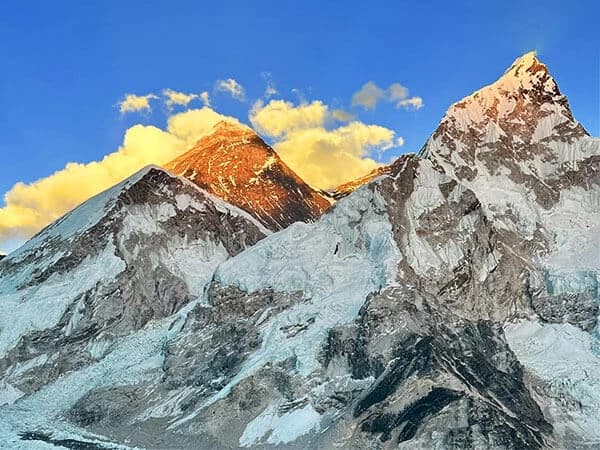
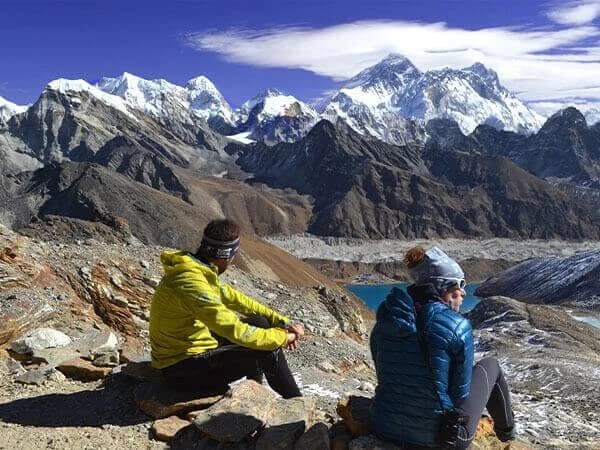
Yes! While Mount Everest is hidden from the low street-level horseshoe basin of the town by immediate ridges, a short walk up to the ridge overlooking the village or a trek up to the Syangboche plateau rewards you with a clear, stunning view of Everest rising behind the Lhotse-Nuptse wall.
Accommodation and High-Altitude Modern Amenities
The scale of modern infrastructure here is unique for a remote mountain valley. The nearby 600 kW Thame-Namche hydropower plant has reliably supplied power and kept the town lit since 1995. This reliable electricity allows Namche Bazaar hotels to offer everything from basic budget teahouses to premium luxury lodging.
Navigating Logistics and Local Regulations
-
The Food Policy: Many standard lodges offer incredibly cheap room rates on the explicit condition that you purchase breakfast and dinner from their kitchen. Eating meals elsewhere will result in a heavily inflated room bill.
-
High-Altitude Logistics: Everything up here, from a Snickers bar to gear rentals, must be hauled up the steep trails via yaks, mules, or porters. Because of this remote supply chain, prices rise drastically compared to Kathmandu.
-
The Town Navigation: When entering the village, the main shop-lined street leads to the flat center. If you are looking for specific luxury stays like the Namche Hotel, you will take a sharp left at the main crossroads; continuing straight up the steep stone stairs leads to the upper ridge campsites and viewpoints.
Final Thought
Namche Bazaar is far more than a stepping stone to the Everest region, it is the cultural, historical, and economic heart of the Khumbu. The centuries-old trading heritage, the deeply ingrained traditions of the Sherpa people, and the town’s importance as the acclimatization stop for Everest trekkers all ensure that every corner of the town offers a meaningful experience.
Namche will make an indelible mark on every traveler, whether they are coming for the mountain views, the Buddhist culture, the local food, or the busy markets.
Allow yourself time to explore Namche Bazaar and not just pass through to enrich your Himalayan experience. It is one of Nepal's most memorable mountain destinations, with its warm hospitality, modern trekking facilities, and spectacular setting.
A good travel plan will not only help your body acclimatize to the altitude but will also give you better insight into the Sherpa way of life and the unique spirit that makes the Everest region what it is.
Ready to experience Namche Bazaar? Browse our trekking packages for the Everest region or contact Nepal Gateway Trekking to create a customized Himalayan adventure.
FAQs
What is the population of Namche Bazaar?
According to historical 2001 census data, the town had a permanent population of 1,647 people living in 397 individual households, though this number fluctuates significantly during peak trekking seasons with the influx of guides, porters, and global travelers.
Which peaks are visible immediately next to Namche Bazaar?
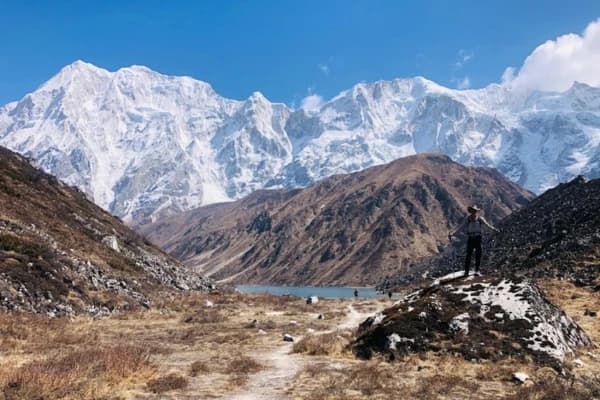
The town is framed by massive Himalayan peaks. Immediately to the west sits the striking Kongde Ri peak at 6,187 meters (20,299 ft), while the majestic Thamserku peak rises to the east at 6,623 meters (21,729 ft).
Are there functional ATMs in Namche Bazaar?
Yes, there are several ATMs and official money-changing booths in the center of town. However, due to unpredictable satellite internet connections or machines running out of physical cash during peak season, you should always carry sufficient cash in Nepalese rupees from Kathmandu.
What should I do if I get altitude sickness while in Namche?
Namche has local health clinics and pharmacies. If you begin showing early symptoms of acute mountain sickness (AMS), the primary remedy is immediate, guided descent to lower villages like Phakding or Monjo. For severe medical emergencies, evacuation flights can be arranged from the Namche helipad.