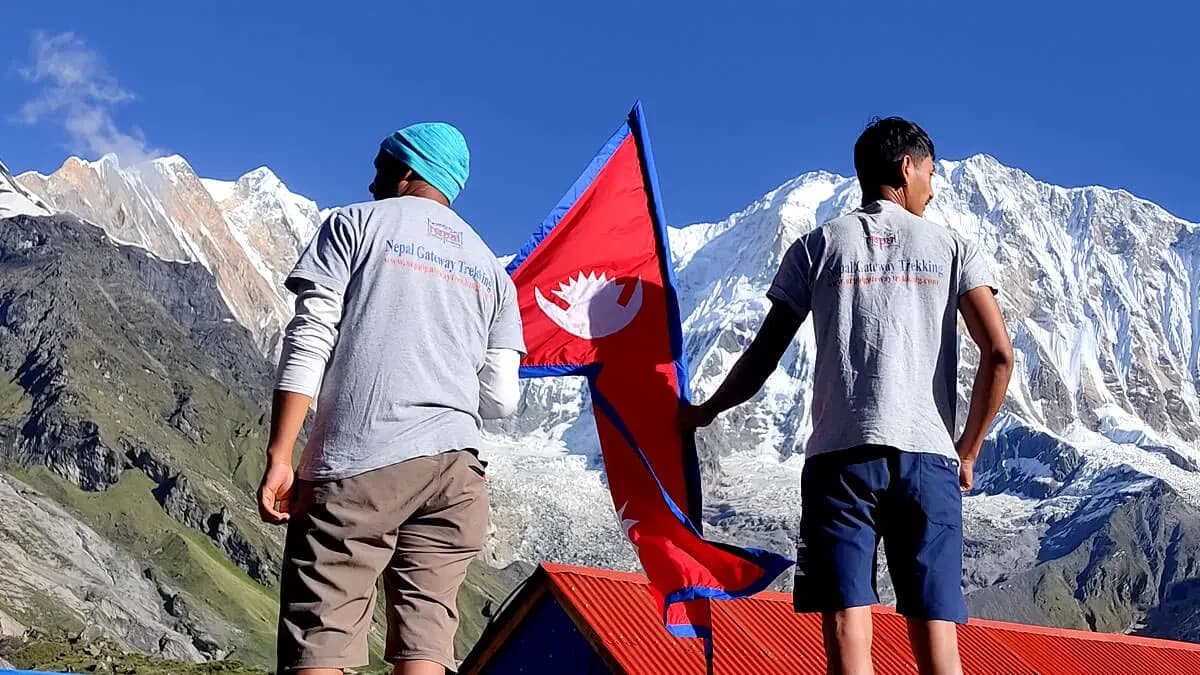
The national flag of Nepal is one of the most unique national flags in the world. Unlike most countries that use flags shaped like rectangles or squares, Nepal’s flag has a totally different shape. It is made of two triangles stacked on top of each other, which makes you notice it right away.
Because of this look, it is known as the only non-rectangular national flag in the world. The flag shows Nepal’s identity, history, and beliefs, and it reflects how much the country cares about its land, culture, and traditions.
The Nepal flag is the only national flag that is non-quadrilateral and shaped as two stacked pennons. This special shape is one of the big reasons people look up Nepal flag facts and call it a unique national flag. It's more than just something used at events or on government buildings.
The National Flag of Nepal has had meaning for a long time ago until today, showing what the country cares about and why they are proud of their national symbols.
Why Is Nepal’s Flag Unique? (Non‑Rectangular Design)
Nepal's flag differs from most national flags in that it is neither square nor rectangular. It has a unique shape because it is composed of two triangles arranged one on top of the other. This type of design is unique to this nation's flag.
How Nepal’s Flag Differs from Other Countries’ Flags?
Nepal’s flag looks very different when compared to the flags of other countries. Most national flags follow a common design, but Nepal chose a shape and structure that clearly sets it apart. The differences can be easily understood by looking at the features below.
Nepal’s flag is special because it combines geometric design with cultural meaning. Other flags may have colours or symbols, but Nepal’s flag is unique both in shape and symbolism.
Symbolism & Meaning of Each Element
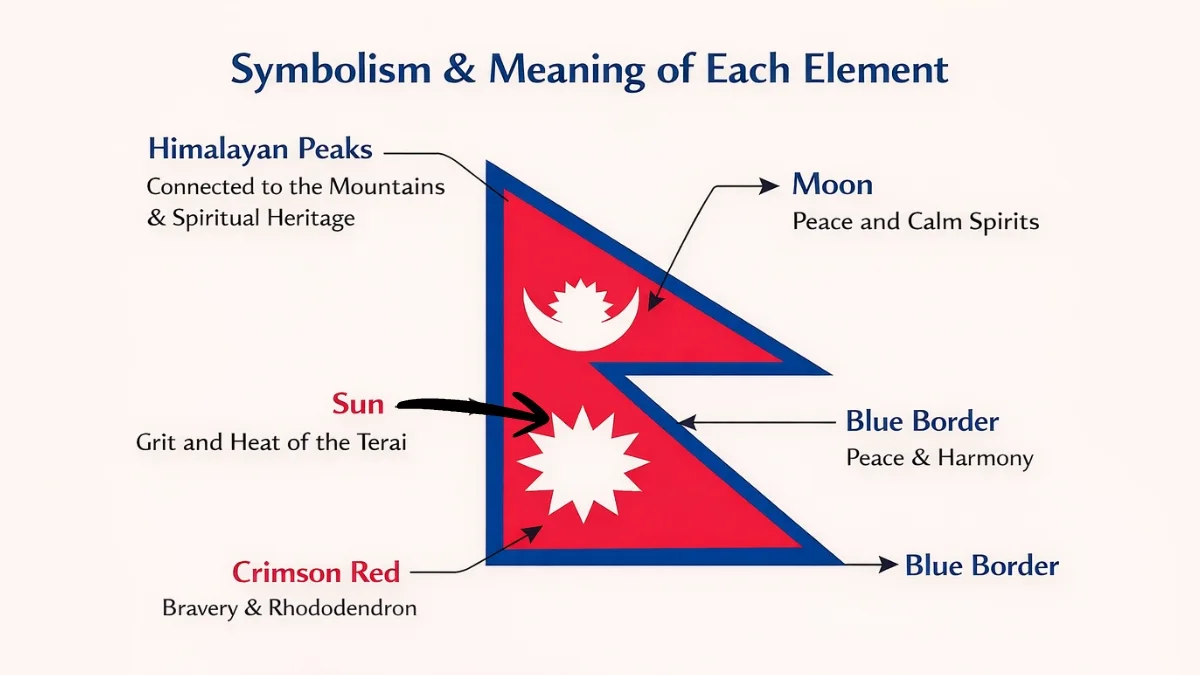
Nepal's national flag has several symbolic meanings. Every element of the flag, including its design, colours, and symbols, symbolizes a significant aspect of Nepal, its people, and its culture.
Mountains, Religion & Spiritual Context
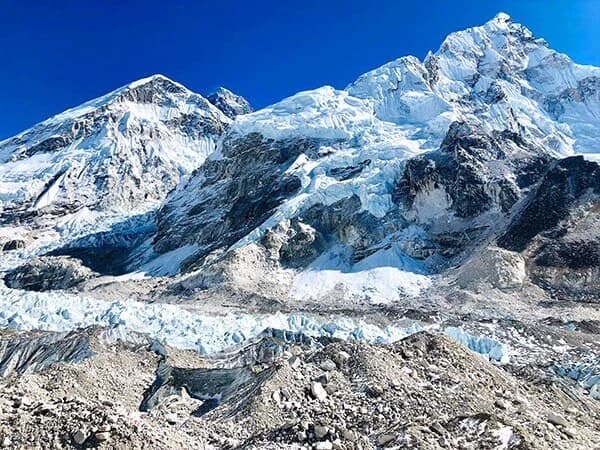
The two triangles on the flag stand for the Himalayan peaks, showing how Nepal is connected to its mountains. They also show how important Hinduism and Buddhism are in the country, standing for spiritual strength and cultural heritage. In context of Nepal, you can see many beautiful mountains during treks.
Sun & Moon: Longevity & Temperature Metaphors
The moon on the Nepal flag stands for the cool weather in the mountains and the calm, peaceful spirit of the people, while the sun stands for the heat of the Terai region and the strong grit and courage of the nation. Together, these space symbols show both balance and strength and share the hope that Nepal will last as long as the moon and sun.
Vedic & Mythological Context
The sun’s rays in the flag also have a connection to months and zodiac signs according to Vedic tradition. The symbols are also linked to the ancient Suryavanshi and Chandravanshi clans, showing historical and mythological significance.
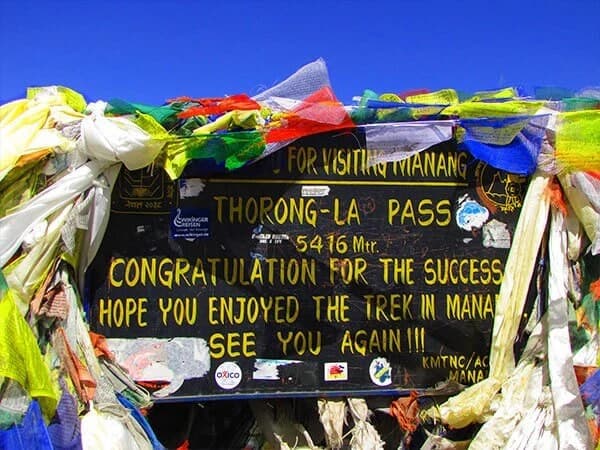
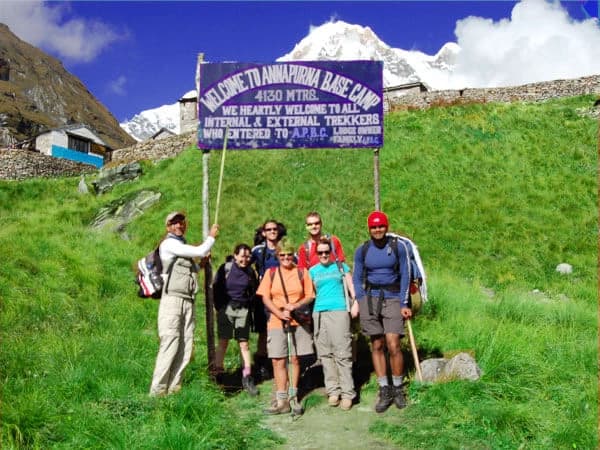
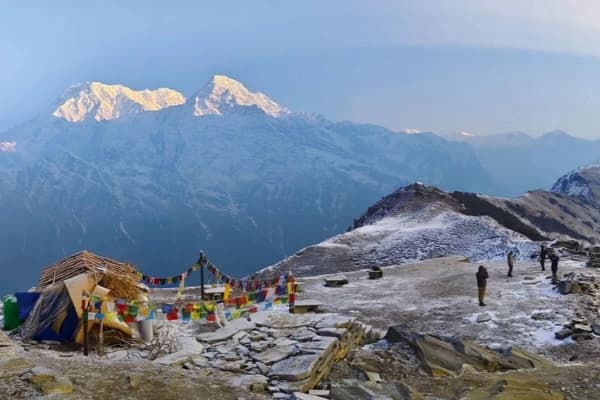
Not only the flag, Nepal's beauty is also the major attraction. You can explore different regions like Everest, Annapurna, Manaslu, Langtang, Mustang, and Dolpo. You can trust the best agencies like Nepal Gateway Trekking for your safe and memorable Nepal adventure.
Design & Geometry of the Nepal Flag
The Nepal flag has a very specific setup that you have to follow exactly. It’s made of two triangles, or pennons, with one put right on top of the other. The size and the angles of each triangle have to follow set rules so the flag always looks balanced and looks the way it's supposed to.
These rules explain the flag structure and proportions and make sure the flag is drawn the same way everywhere. Because of this, the design of the flag isn't just random. It is based on clear math steps that show how the two triangles are made and joined together.
The height-to-width ratio of the flag of Nepal is approximately 1:1.22, which ensures the flag maintains its proper proportions and shape wherever it is used.
These guidelines help people understand the flag proportions of Nepal and also explain how to draw Nepal flag properly, whether for official use or learning purposes.
Did you know that Nepal’s unique and beautiful flag is often taken home as a souvenir by visitors? You can also explore a variety of souvenirs from Nepal and carry a lasting memory of the country with you.
Colors Used & Their Official Meaning
The Nepal’s flag has two main colours: crimson red and blue.
- Crimson Red – The national color of Nepal; it shows that the people are brave and have heart. It is also the color of the rhododendron, which is the national flower of Nepal.
- Blue Border – Represents peace and harmony and reflects the sky and the Himalayan mountains surrounding Nepal.
Historical Origins of Nepal’s Flag
The history of the Nepal flag goes back a long time. Early versions of the flag are talked about in books like the Mahabharata and other Vedic writings, showing that flags were used in religious and royal events way before the modern design. These old flags showed Nepal’s traditions, culture, and how much symbols mattered in everyday life.
Kingdom Era & Unification
While Prithvi Narayan Shah was working to bring Nepal together, the flag was used to represent the king and his goal to unite the country. It turned into a symbol of power, unity, and national pride, showing how the flag was becoming more and more important in the Kingdom of Nepal.
1962 Modern Standardization
The flag was officially standardized in 1962 by Shankar Nath Rimal under the order of King Mahendra. This modern design set precise rules for the shape, proportions, colours, and symbols of the flag. The official adoption date of this design is 16 December 1962, marking the start of the flag used today.
Cultural & National Importance of Nepal’s Flag
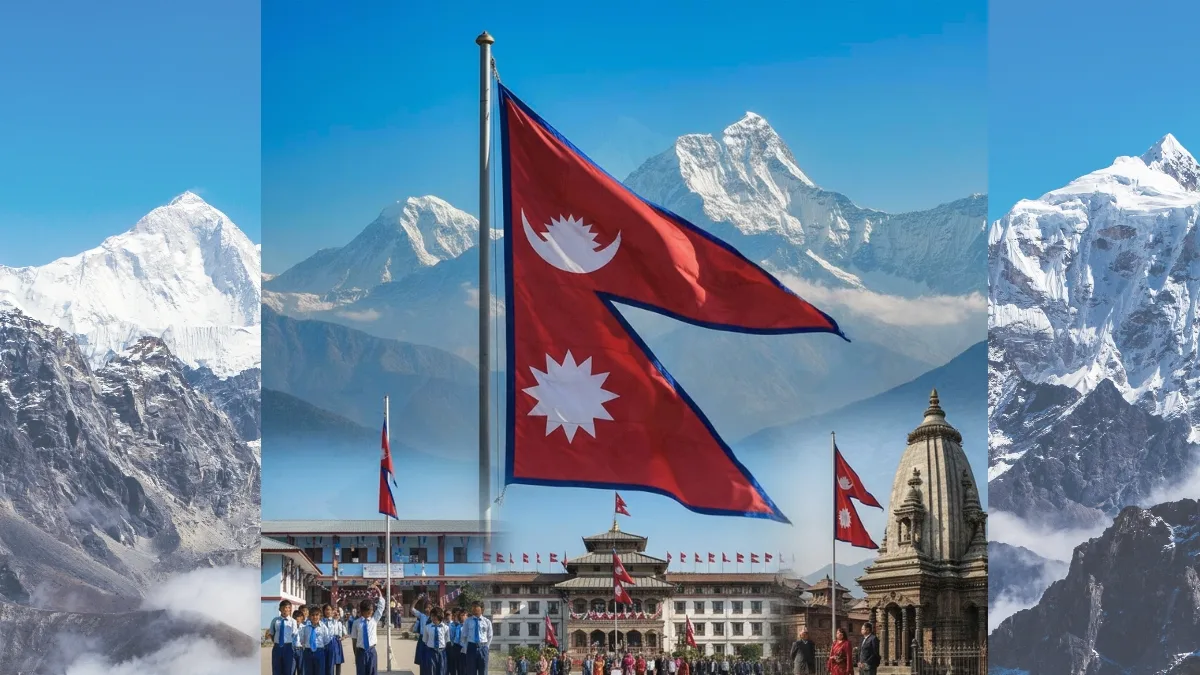
The Nepal flag is a big national symbol and is used in tons of official and cultural events. It is visible at public occasions, in schools, and on government buildings. Every time the flag is flown, it serves as a reminder to the people of Nepal's history, culture, and customs. It represents the country's identity, pride, and solidarity.
There are special rules for showing respect to the Nepal flag. It should be put up properly during ceremonies and national events. There are also rules for flying the flag halfway down the pole during times of mourning or special occasions. Following these steps makes sure that the flag is always treated with honor and respect.
Comparisons & Interesting Facts about National Flag of Nepal
The flag of Nepal differs greatly from the flags of other nations. Nepal's flag is distinctive because it features two stacked triangles, unlike most national flags, which are square or rectangular. The table below makes the distinctions clear:
|
Feature |
Nepal |
Standard Flag |
|
Shape |
Two triangles |
Rectangle / Square |
|
Corners |
5 |
4 |
|
Symbolism |
Multi-layered |
Varies |
This table shows that Nepal’s flag really stands out because of its shape and what it represents. While other flags might just use colours or basic symbols, Nepal's flag combines a geometric design with symbols from its culture and history.
Facts That Spark Curiosity
The Nepal flag has many interesting things about it that make it unique. It is the only national flag with five corners, which is really rare in the world. In older versions of the flag, the moon and sun even had human faces, showing how traditional and symbolic the design has always been. These unusual facts make the flag stand out and make people from all over the world curious about it.
Final Thoughts on the National Flag of Nepal
The national flag of Nepal is really one of a kind. Its unique shape, made of two triangles on top of each other, makes it different from every other flag in the world. Every part of the flag, from the colours, triangles, moon, and sun to how it's designed, has a deep meaning about Nepal’s history, culture, and spiritual traditions. The flag shows the mountains, religions, and values that have made the nation what it is over hundreds of years.
Besides just how it looks, the flag is a strong symbol of national pride and who the people are. It is used in ceremonies, government buildings, and schools, and it’s treated with respect based on strict rules. The Nepal flag reminds its people of their bravery, harmony, and enduring heritage, making it a lasting emblem of unity and cultural significance.
Discover Nepal’s mountains and culture with Nepal Gateway Trekking. Contact us today!
FAQs
Why is the national flag of Nepal unique in the world?
The Nepal flag is unique because it is the only national flag that is not rectangular or square. It is made of two stacked triangles, which makes it stand out immediately. This unusual shape represents Nepal’s culture, history, and connection to its mountains.
What do the colours of the Nepal flag mean?
The crimson red is Nepal’s national color and stands for bravery and courage, and it is also the color of the rhododendron, the national flower of the country. The blue border stands for peace and harmony and shows the sky and the Himalayan mountains.
What is the symbolism behind the moon and sun on Nepal’s flag?
The moon represents both the serene, tranquil nature of the Nepalese people and the chilly Himalayan atmosphere. The Terai region's heat and the nation's unwavering bravery and resolve are symbolized by the sun. When combined, they also convey the optimism that Nepal will endure for as long as the sun and moon.
When was the current Nepal flag officially adopted?
On December 16, 1962, the modern design of the Nepali flag was formally adopted, making it the official national flag that is currently used for all ceremonial, public, and governmental events.
Who designed the modern Nepal flag?
The modern flag was designed by Shankar Nath Rimal because King Mahendra asked him to. The king wanted a standard design that had clear rules for its sizes, colors, and symbols.
How do you draw the flag of Nepal with correct proportions?
Certain mathematical rules, such as the dimensions and angles of the two triangles and their placement, must be followed when drawing the flag. These guidelines ensure that the flag is aesthetically pleasing, that its components are the proper size, and that it maintains its appearance throughout use.
What do the two triangles of Nepal’s flag represent?
The two triangles stand for the peaks of the Himalayan mountains and also show how important Hinduism and Buddhism are in Nepal. They reflect both the land and the spiritual values of the country.
What rules exist for displaying the Nepalese national flag?
The flag should be put up the right way during national events, ceremonies, and public gatherings. There are also rules for flying it halfway down the pole when the country is in mourning, and it always has to be treated with respect since it's a symbol of national pride.
Why doesn’t Nepal use a rectangular flag like other countries?
Nepal picked a triangular design instead of a rectangle to show its unique culture, history, and its link to the mountains. This makes the flag stand out and easy to recognize right away compared to the normal rectangular flags that other countries use.