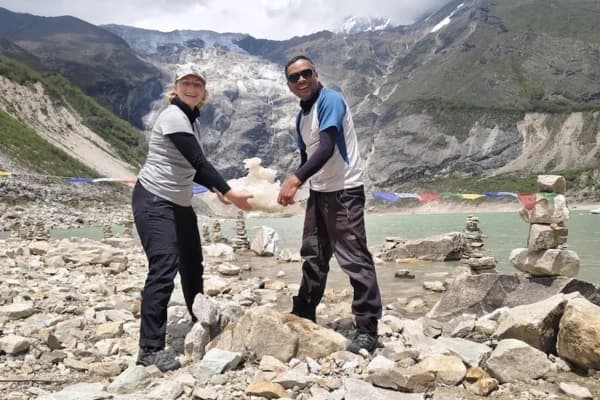
Quick Summary:
These Pikey Peak trek essentials cover most of what you'll need. Pack in layers and keep your summit-morning items within reach.
Category
Core items
Clothing
Base layers, fleece, insulated jacket, trekking pants, waterproof shell
Footwear
Broken-in trekking boots, trekking socks, camp shoes
Gear
Daypack, trekking poles, headlamp, sleeping bag (cold months)
Hydration
Water bottle or bladder, purification tablets or filter
Protection
Sunglasses, sunscreen, sun hat, warm hat, gloves, buff
Health
First-aid kit, blister care, personal medicines
Personal
Toiletries, quick-dry towel, tissues
Electronics
Phone, power bank, charging cables
Documents
Passport, insurance details, Nepalese rupees (NPR)
Pikey Peak doesn't call for expedition equipment, but it does punish a badly planned bag. The summit is about 4,065 m, and the final climb from Pikey Base Camp starts before first light, so you'll be on steep switchbacks in cold air well before sunrise.
This Pikey Peak Trek packing list is shorter than most people expect. The route uses teahouses, which are basic mountain lodges, so there's no tent or cooking gear to carry. What matters is a layering system, broken-in boots, a warm summit jacket, a headlamp, a way to treat drinking water, and a comfortable daypack. Here's what to pack for the Pikey Peak Trek and what changes by season.
The advice below applies regardless of which route or operator you choose. If you're comparing trekking packages, check exactly what your package includes before you finalize your bag, especially for porter support, sleeping bags, and other equipment.
Clothing and Layering for Pikey Peak
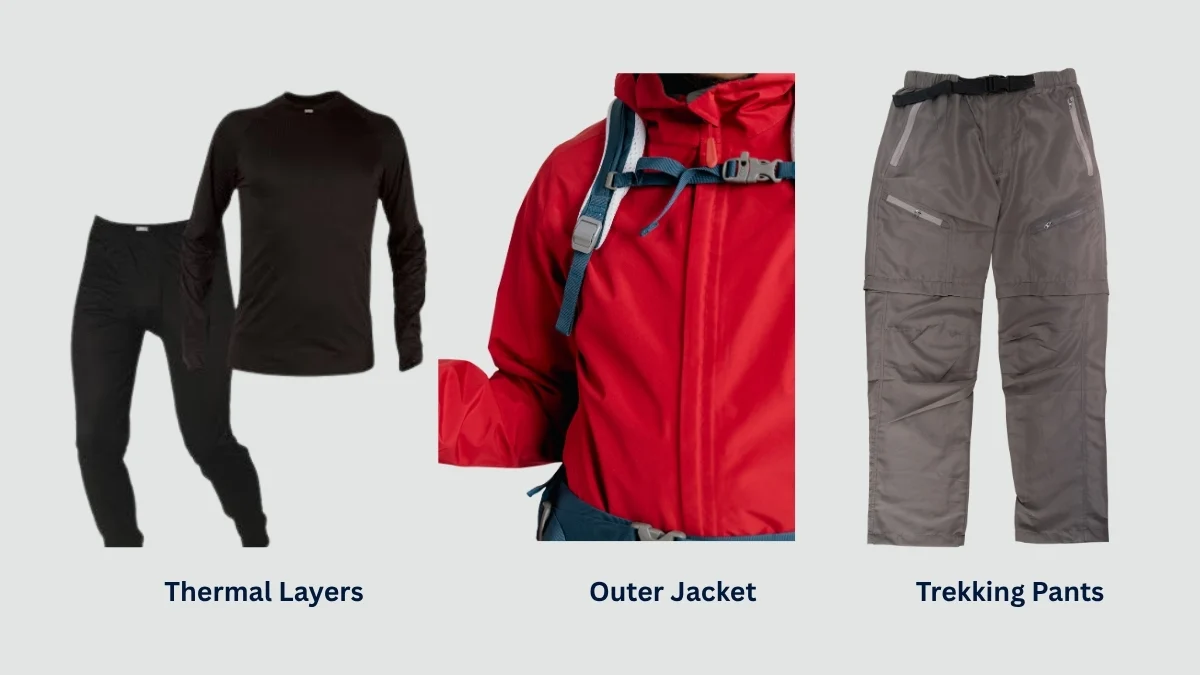
Pikey Peak trek clothes have two jobs: keep you cool while you climb and warm when you stop. Temperatures drop as you gain height, and the summit start is the coldest part of the trek. Plan on three layers you can add or remove rather than one heavy jacket.
If you're wondering what clothes to pack for Pikey Peak Trek, start with the table below. The amounts are suggestions, not rules.
|
Layer |
Item |
Suggested amount |
|
Base |
Moisture-wicking tops |
2-3 |
|
Base |
Thermal top and bottom (cold months) |
1 set |
|
Mid |
Fleece or light insulating jacket |
1-2 |
|
Outer |
Waterproof, wind-resistant shell |
1 |
|
Outer |
Insulated or down jacket |
1 |
|
Lower body |
Quick-dry trekking pants |
2 pairs |
Also pack:
- A warm beanie and a sun hat
- Light gloves, plus a warmer pair for the summit morning
- A buff or neck gaiter
- 3-4 pairs of quick-dry underwear
- One dry set of sleepwear for teahouse evenings
On summit morning, most people wear a base layer, fleece, insulated jacket, and shell, with a hat and gloves on. Avoid cotton where you can, since it stays damp and can make you feel colder when wet.
Footwear: Boots, Socks, and Camp Shoes
Pikey Peak trek footwear should be comfortable, supportive, and already worn in. The trail has steep switchbacks and, in wet or snowy conditions, slippery sections, so grip matters as much as comfort.
If you're asking what shoes are best for Pikey Peak Trek, mid-height trekking boots with a grippy sole are a practical choice. Wear them on several walks before the trek rather than breaking them in on the trail.
Pack:
- Trekking boots: waterproofing helps in monsoon and winter
- Trekking socks: 3-4 pairs, plus thin liner socks if you blister easily
- Camp shoes or sandals: for teahouse evenings
- Spare laces
- Gaiters (optional): useful in monsoon mud or winter snow
Leave brand-new boots at home. A second pair of heavy shoes isn't worth the extra weight either.
Essential Trekking Gear and Backpack Setup for Pikey Peak Trek
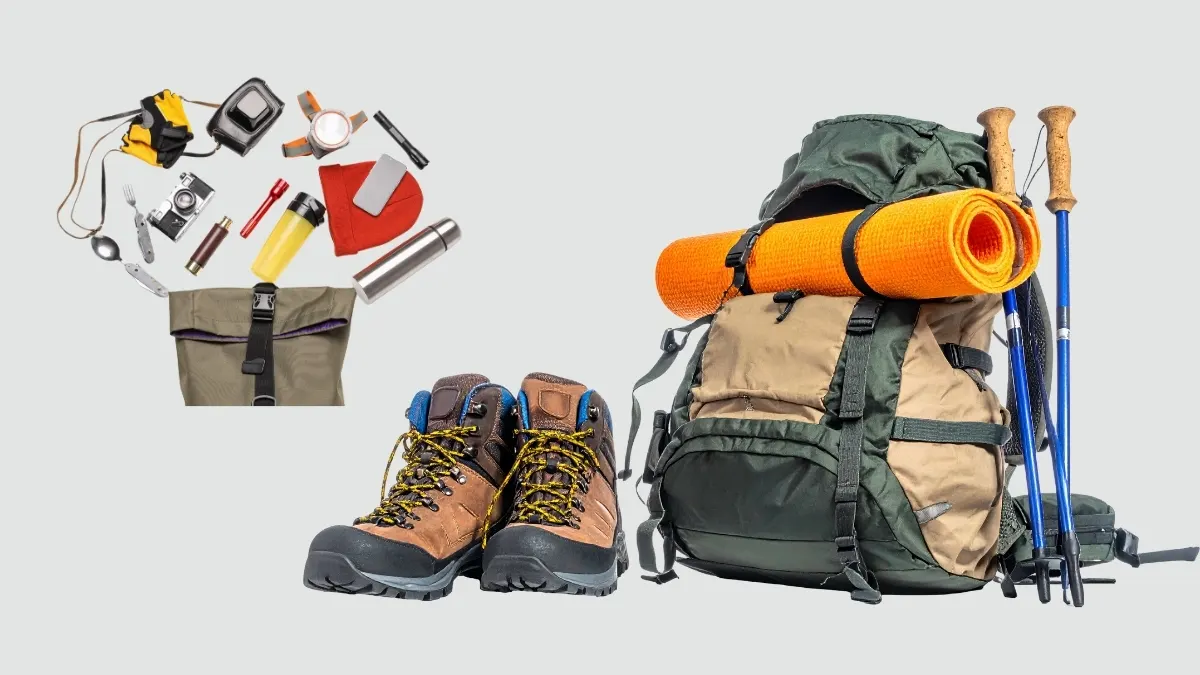
Pikey Peak trekking gear splits into two bags: a daypack you carry and a main bag your porter carries. Ask your operator for the weight limit before you pack. A 20-30 liter daypack with a rain cover is enough.
Three items deserve special attention:
- Headlamp with spare batteries: the summit hike starts before first light, and you'll want both hands free on the switchbacks. Cold drains batteries, so carry spares.
- Trekking poles: they help on steep climbs and slippery descents and take the load off your knees.
- Dry bags or packing cubes: they keep clothes dry and sorted.
You won't reach your main bag until evening, so anything you might need before then goes in the daypack.
|
In your daypack |
In your main bag |
|
Water, snacks |
Spare clothing |
|
Phone, camera |
Sleeping bag or liner |
|
Sunscreen, sunglasses |
Toiletries |
|
Extra layer, hat, gloves |
Camp shoes |
|
Rain protection, headlamp |
Non-essential electronics |
|
Documents, cash, medicines |
If you're planning your Pikey Peak Trek, check the Pikey Peak Trek cost with package to see what is included, what equipment is provided, and what you may need to arrange before the trek.
The trek ends with a short flight from Phaplu to Kathmandu. Small aircraft often have tighter baggage limits, so confirm the allowance before finalizing your bag.
Sleeping Bag and Teahouse Sleeping Essentials
Whether you need a Pikey Peak trek sleeping bag depends on the season, your accommodation, and your personal tolerance for cold.
Teahouse rooms are basic and may have beds, mattresses, and blankets, but bedrooms are generally not heated. Common areas may be warmer when a stove is operating.
For colder months, a suitable sleeping bag can provide an extra layer of warmth. Rather than choosing a bag only by its extreme rating, check its comfort rating, which is more useful for deciding whether it will keep you warm.
Useful extras:
- Sleeping bag liner: adds warmth and keeps a shared blanket off your skin
- Earplugs and an eye mask: teahouse dining rooms are busy and noisy
If you plan to rent a sleeping bag, inspect its condition and confirm its temperature rating before taking it.
Getting to the Trailhead
Most trekkers travel from Kathmandu to Dhap or Phaplu via a 6- to 8-hour bumpy overland jeep drive. While short flights from Kathmandu to Phaplu Airport are available, they are frequently delayed or canceled due to mountain weather. Because of this, the Jeep remains the most reliable and popular option.
Jeep Road Trip Essentials (Keep in your daypack, not on the roof rack):
- Motion sickness pills: Recommended if winding mountain roads affect you.
- Buff or dust mask: Essential for dry, dusty unpaved road stretches.
- Road snacks & water: Keep energy bars, nuts, and water handy for long stretches between meal stops.
- Earplugs & eye mask: Great for catching sleep during early morning departures.
Health, Hydration, and Personal Care
Keep your personal health kit in your daypack, even if walking with a guide who carries a group kit.
Hydration
Carry a reusable water bottle or hydration bladder along with purification tablets or a portable filter. Teahouses sell untreated water, boiled water, and plastic bottled water. To reduce plastic waste and stay safe, treat local water yourself or order properly boiled water.
Pack These Health Essentials:
- Prescription & Altitude Meds: Personal medicines (plus a 2-3 day extra supply) and Acetazolamide (Diamox) if your doctor advises taking it for altitude.
- First Aid Kit: Blister tape or plasters, pain relievers (Ibuprofen or Paracetamol), oral rehydration salts (ORS), antiseptic wipes, and a few bandages.
- Sun Protection: SPF 50+ sunscreen, SPF lip balm, and UV-blocking sunglasses (UV radiation is far stronger at 4,000 meters).
- Hygiene Items: Hand sanitizer, toothbrush, toothpaste, wet wipes, tissues, and a small quick-dry towel.
Documents, Money, and Electronics in Pikey Peak Trek
Keep documents, cash, and charging gear in your daypack, not the porter bag. Bring your passport, visa or entry paperwork and travel insurance details, with paper and digital copies during Pikey Peak Trek.
For insurance, check that the policy covers the maximum altitude of your itinerary and any emergency evacuation you may need. Do not assume that a standard travel policy automatically covers high-altitude trekking or helicopter evacuation.
Unlike major traditional routes, Pikey Peak Trek Permits does not contain a TIMS card. However, you will need the Solukhumbu Local Area Permit (NPR 3,000 per person), which can be purchased at the trek entry point. Depending on your exact route (if passing through national park boundaries), a Sagarmatha National Park Permit (NPR 3,390 per person) may also apply. Keep cash (Nepalese Rupees) handy to pay for permits on-site.
Carry enough Nepalese rupees for food extras, showers, charging, and other small expenses. ATM access can be limited or unreliable outside larger settlements, so do not depend entirely on cards.
For electronics, sub-zero temperatures and high altitude drain battery life rapidly. Bring your phone, charging cables, and a 10,000-20,000 mAh high-capacity power bank to keep your devices charged throughout the trek. Teahouse charging fees range from NPR 200 to 500 per device as you climb higher. Download offline or see Pikey Peak Trek map online and documents in Kathmandu before departing.
What to Pack by Season in the Pikey Peak Trek
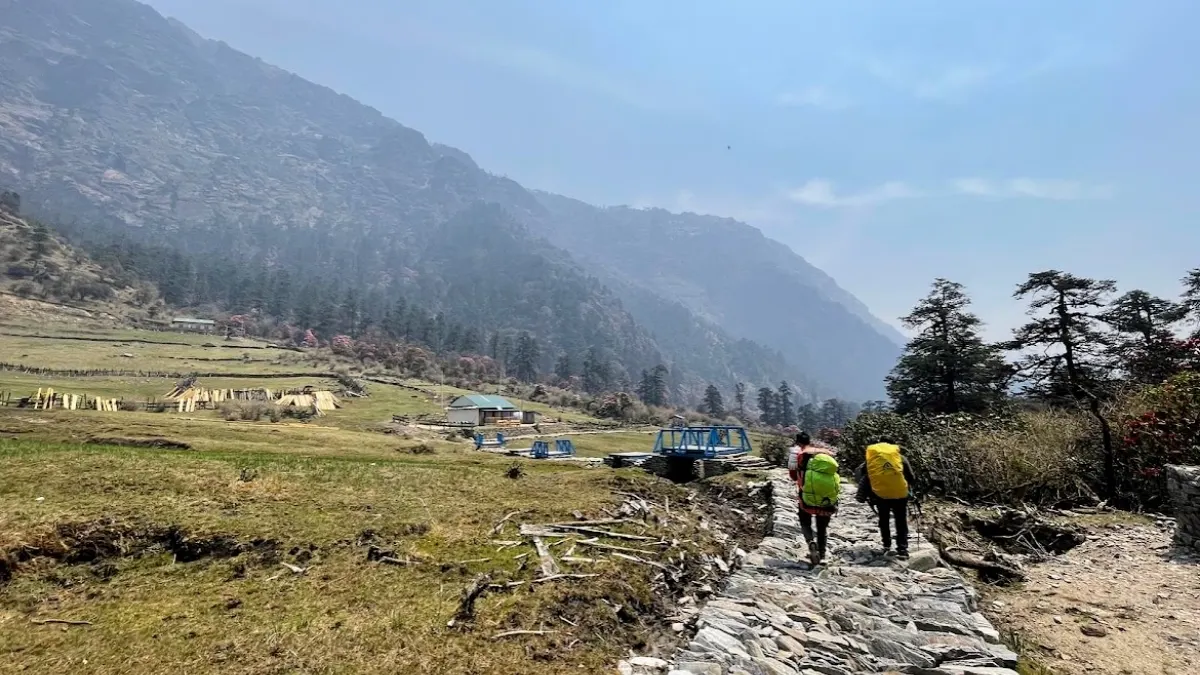
Your Pikey Peak Trek packing list stays mostly the same all year, but a few items change. Spring and autumn are generally popular trekking periods, while the monsoon brings wetter trails, and winter brings colder conditions.
|
Season |
Add to your bag. |
What to expect |
|
Spring (March-May) |
Rain shell, sun protection |
Warm mornings; clouds often build later in the day. |
|
Monsoon (June-August) |
Waterproof jacket or poncho, dry bags, quick-dry clothing, gaiters |
Muddy, slippery, steep sections; leeches |
|
Autumn (September-November) |
Warm evening layer, rain protection as needed |
Usually clear skies; busy teahouses |
|
Winter (December-February) |
Heavier insulation, warm gloves and hat, extra thermal layers, sleeping bag |
Snow and ice near the summit; very cold |
For a Pikey Peak trek packing list for winter, start with the core kit above and add insulation, thermal layers, and a sleeping bag suited to the expected conditions. Check the latest weather and trail conditions before leaving.
What You Don't Need to Pack for Pikey Peak
The standard teahouse itinerary doesn't need an expedition kit. Leave these behind:
- Tent or cooking gear: teahouses provide beds, blankets, and meals.
- Technical climbing equipment: the route as having no technical sections or mountain passes.
- Extra clothing: you'll re-wear more than you expect.
- Full-size toiletries: decant into small bottles.
- Duplicate gadgets: one phone and power bank are usually enough.
Some items depend on the season, so check the table above before removing gaiters or a sleeping bag. You can find food and accommodation in the Pikey Peak Trek, so carrying unnecessary gears are just burden.
Can You Rent Trekking Gear in Kathmandu?
Yes. Renting can make sense for bulky equipment that you may not use regularly, such as sleeping bags, insulated jackets, and trekking poles. Availability and rental prices vary between shops, so inspect the equipment before paying.
Check zips, seams, insulation, cleanliness, and the condition of the sole or grip on rented footwear.
|
Consider renting. |
Better to bring your own. |
|
Sleeping bag |
Personal medication |
|
Down or insulated jacket |
Broken-in boots |
|
Trekking poles |
Comfortable clothing |
|
Duffel bag or backpack |
Personal documents |
If you'd like help deciding what to rent or bring for your dates, Nepal Gateway Trekking can advise as part of trip planning.
Practical Packing Tips for a Lighter Trek
Packing well is mostly about access and organization. These habits keep your bag light and your essentials easy to find:
- Sort clothes into packing cubes or dry bags by type.
- Keep rain gear at the top of your daypack.
- Lay out summit-morning clothes, headlamp, gloves, and hat the night before.
- Keep valuables, documents, and medicines in your daypack.
- Separate clean clothes from damp or sweaty ones.
- Charge your phone, power bank, and headlamp before you leave.
- Pack, then remove one item in every category. You'll rarely miss it.
Final Thoughts
A good Pikey Peak Trek packing list comes down to warmth, weather protection, and carrying only what you'll actually use. The pre-dawn summit is where preparation pays off, so keep your headlamp, gloves, and warm layers within reach.
If you still have questions about what to pack or what is included in your Pikey Peak Trek package, you can contact Nepal Gateway Trekking before your trip. Our team can help you confirm the included equipment and prepare for the conditions you can expect on the trail.
FAQs
Do I need special equipment for the Pikey Peak summit?
No. A standard trekking setup is generally enough for the normal route. Warm layers, gloves, a headlamp, and grippy footwear are more important than technical climbing equipment.
Can I wear trail runners instead of boots?
Some experienced trekkers may prefer trail runners in dry conditions. However, boots can provide more protection and grip on steep or slippery sections. If you choose trail runners, make sure they have suitable traction and that you have already used them on long walks.
Do I need a down jacket in autumn or spring?
An insulated jacket is useful in every season because the summit hike starts before sunrise. The exact weight you need depends on the forecast, season, and your cold tolerance.
Should I bring a rain jacket or a poncho?
Either can work during the wet season. A jacket can also serve as a windproof outer layer, while a poncho can cover both you and your daypack. Keep rain protection in your daypack so it is easy to reach.
Should I bring my own snacks?
A few favorite snacks, such as energy bars, nuts, or other lightweight foods, can be useful during longer walking days. You can also buy food along the route, although choices may be more limited than in Kathmandu.
Can I buy trekking gear along the route?
Don't depend on it. Pikey Peak is less commercial than the main Everest trails, and equipment choices can be limited in smaller settlements. Buy or rent important gear in Kathmandu before starting the trek.