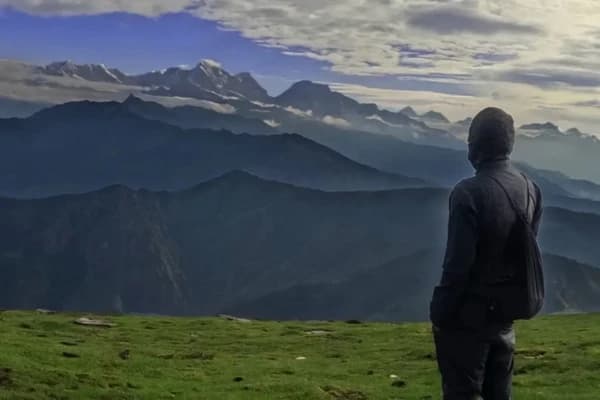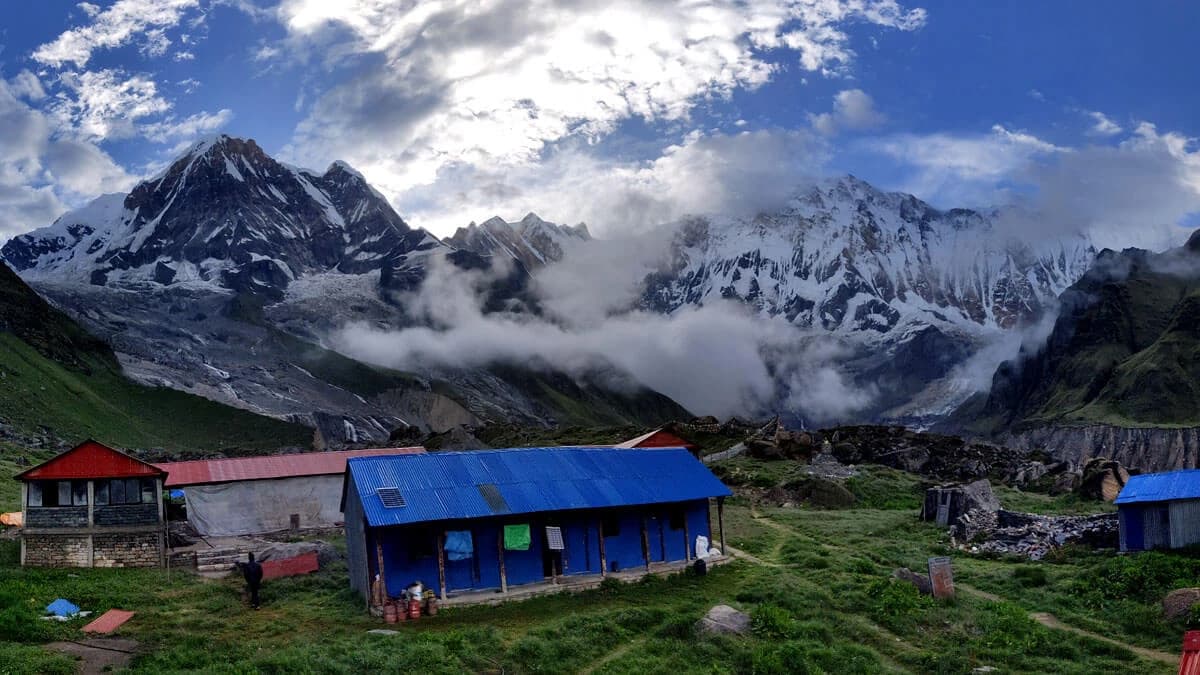
A lot of people who go trekking hear about the monsoon season and quietly back off. When rain, mud, and leeches come up, the idea of trekking starts to seem dangerous. It sounds like you're picking the hard path when there is an easier one.
And to be fair, those worries are not wrong. The monsoon does bring problems. The trails get wet, the clouds hide the mountains, and the trip takes longer than usual.
But most people miss the point, monsoon is not the wrong time; it's just a different version of the same trail.
During the monsoon, the Annapurna Base Camp trek is less about taking pictures and more about having a real experience. The trees get thicker, the rivers get stronger, and the whole area feels alive in a way that other seasons don't. It is quieter, slower, and more personal.
People who understand this change often come back with a different kind of happiness, not just from getting to the base camp, but from really experiencing the journey along the way.
This guide is based on what is really happening on the ground. No false promises or warnings based on fear, just clear, useful information to help you decide if trekking during the monsoon is right for you.
Is the Annapurna Base Camp Trek Worth It in the Monsoon?
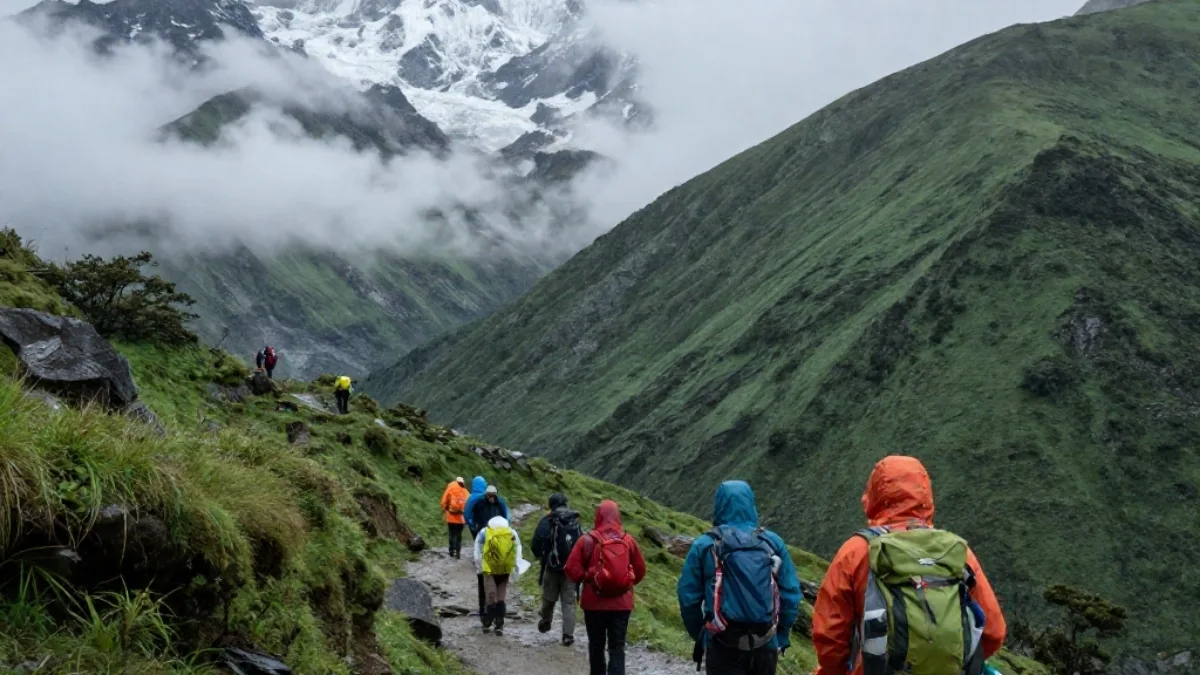
The Annapurna Base Camp trek may not be the best choice during the monsoon, but it can be great for the right traveler. This season makes the trail feel more raw and natural. You experience the journey in a deeper and quieter way instead of trying to get the best views of the mountains.
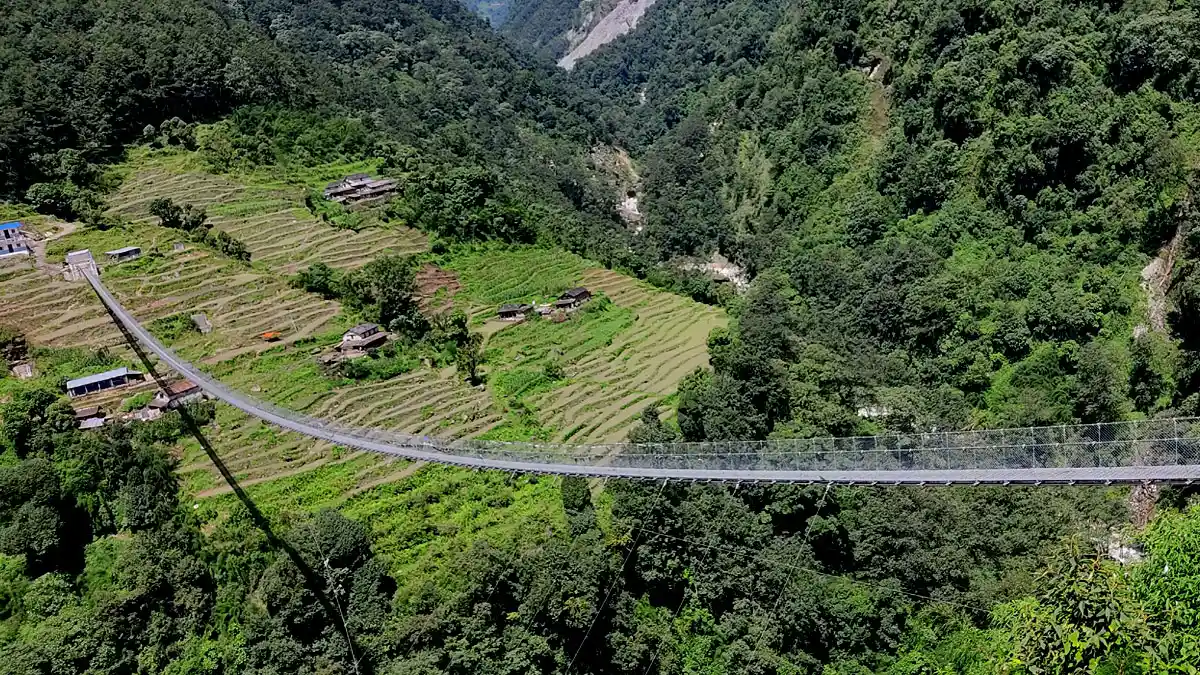
During the monsoon, the area feels alive. After it rains, the air feels fresh, the rivers roar louder, and the forests become thicker. There are fewer people, so you can walk at your speed without feeling rushed.
It allows you to take your time and truly appreciate the trail rather than merely focusing on reaching the destination.
This season also teaches us to be patient. Plans may change, the weather may change, and not every day will go as planned. But for those who can handle it, the experience often feels more real and stays with them.
Finding Peace in the Rain
Most people skip trekking during monsoon, and honestly, that’s exactly why it feels so different. You’re not chasing that “perfect” clear mountain view or trying to beat the crowds. Instead, you get to see the Annapurna region in a way most people never do. And it’s kind of special.
The air just feel fresh. Like really fresh. Rivers are louder, fuller, almost alive. And all that dry, dusty look you usually see? Gone. Everything turns deep green, lush, and a bit wild, in a good way.
Why it’s worth the trek:
- Total Solitude: It’s quiet. Like properly quiet. Trails aren’t packed, and tea houses feel warm and personal instead of chaotic and hotel-like.
- Sensory Beauty: You’ll notice things you normally wouldn’t, small waterfalls suddenly appearing, clouds rolling through the hills, everything wrapped in mist. It honestly feels like you’ve stepped into a movie scene.
- Spontaneous Travel: No need to plan every tiny detail. You can just go with the flow. Rooms are usually available, so you don’t have to stress about booking everything in advance.
- Budget-Friendly: And yeah, it’s cheaper. You’ll often get better deals on places to stay, plus more freedom to adjust your plan along the way.
Trekking in the monsoon isn’t about rushing to the finish. It’s slower. Calmer. You kind of just move with the trail, take things as they come, and enjoy this fresh, rain-washed version of nature that not many people actually get to experience.
Explore the best monsoon treks in Nepal and plan your next monsoon adventure.
The Weather in Annapurna During the Monsoon
The weather in the Annapurna region during the monsoon season is best described as unpredictable and manageable. It doesn't rain all the time, but when it does, it can be very heavy and sudden. Most days start clear or calm, but by the afternoon, there are clouds, rain, and humidity.
Instead of extreme cold, the hardest part is staying dry and getting used to the changes. It won't be an issue for you if you plan your day well and understand how the weather operates.
- Rain Pattern: Not Always Stopping. A lot of people believe that it rains all day during the monsoon. In the mountains, that's not how it works.
There are usually cycles of rain. In the morning, the sky is usually clear, but in the afternoon, it gets cloudy and rains.
What a typical day looks like. In the morning, the clouds are clear or light. It starts to rain in the afternoon. Showers in the evening are common. Nights are quiet, but they are also humid.
Cloud Cover and Mountain Views
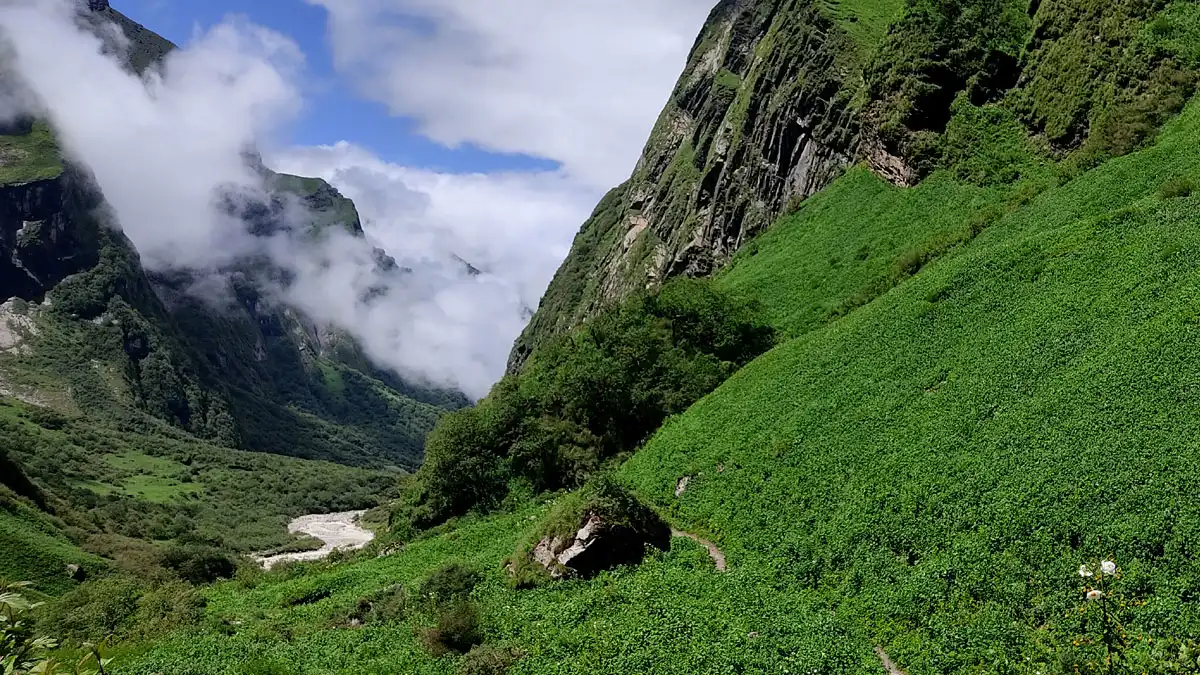
This is where many trekkers feel disappointed. Clouds often block the mountain views.
But sometimes, after rainfall, the sky opens up. And when it does, the view feels even more special.
Reality Check:
- Limited clear mountain views
- Clouds cover peaks most of the time
- Best views after rain clears
- Sunrise offers the highest chance for visibility
Route Condition and Trail Challenges of Annapurna Base Camp Trek During Monsoon
During monsoon, the trail to Annapurna Base Camp changes a lot. And yeah, it definitely gets more challenging than usual. Rain soaks the path, turning it wet, muddy, and at times, pretty slippery. You can’t just walk the same way you would in dry season, you have to slow down, watch your steps, and stay a bit more alert.
But honestly, it’s not just about the difficulty. It’s more about being careful and adjusting how you walk. Once you get that mindset right, it feels much more manageable.
Slippery and Muddy Trails
The trail behaves very differently in the monsoon. Stone steps? Slippery. Forest paths? Muddy and soft. So yeah, you need a bit more focus with every step.
Wet Stone Staircases
You’ll come across a lot of stone staircases on the Annapurna Base Camp route, especially near villages and steeper sections. During monsoon, these steps stay wet almost the entire day. Add a bit of moss and flowing water, and suddenly they’re way more slippery than they look.
And the tricky part? Sometimes they look safe. But they’re not.
One small mistake, especially while going downhill, and you can easily slip.
How to Stay Safe:
- Step slowly. Place your whole foot down, not just your toes
- Use trekking poles. They really help with balance
- Don’t rush, even if others are moving faster
- And seriously, wear shoes with a strong grip. It makes a big difference
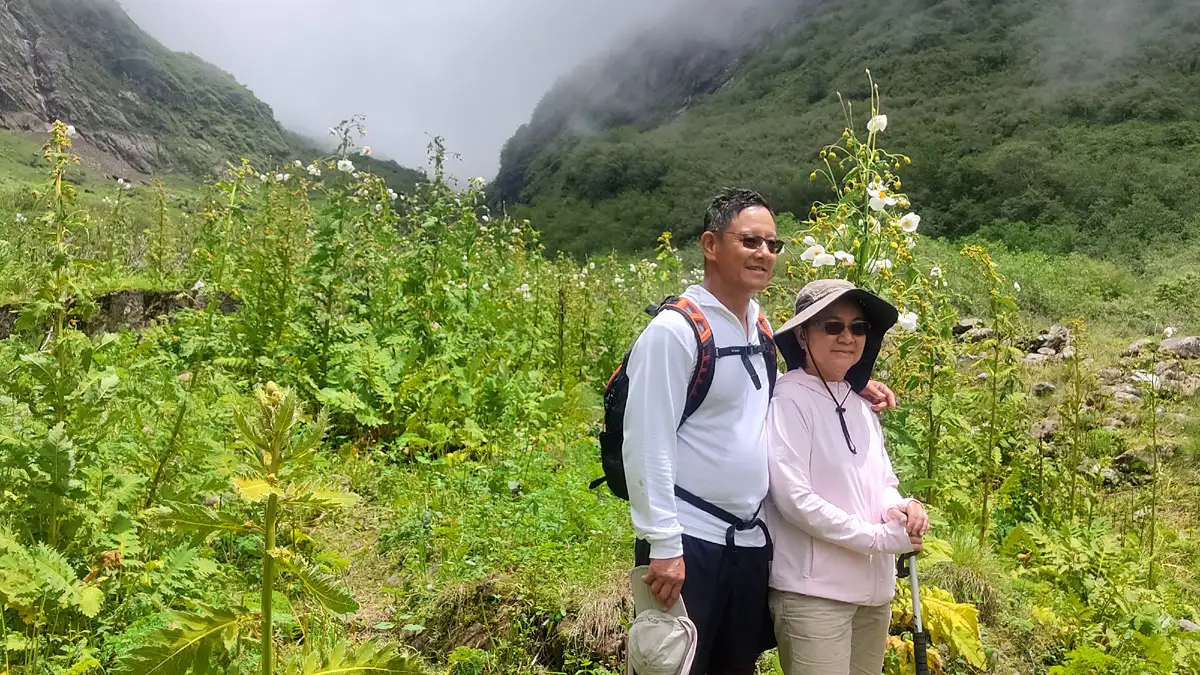
Muddy Forest Sections
In lower areas like Bamboo and Sinuwa, the trail cuts through dense forest. During monsoon, these sections get soft and muddy. Not just a little muddy, sometimes your shoes sink slightly, which makes walking feel heavier and more tiring.
It kind of feels like walking on wet clay. Every step takes effort.
How to Stay Safe:
- Walk along the edges where the ground is firmer
- Use trekking poles to stay steady
- Go for waterproof or quick-dry shoes
- Take shorter steps. It helps you keep balance
Slippery Downhill Paths
Downhill sections? Probably the hardest part during monsoon.
Gravity is already pulling you down, and when the surface is wet, it just adds to the challenge. Even experienced trekkers slow down here. And honestly, you should too. Better safe than sorry.
How to Stay Safe:
- Lean slightly forward, not backward
- Walk in a zig-zag pattern instead of straight down
- Use trekking poles to control your movement
- Keep your knees a bit bent, it helps with balance
Slower Walking Speed Needed
Monsoon trekking isn’t about speed. Not at all. It’s more about control and being aware of your steps.
You’ll naturally walk slower, and that’s completely fine. Trying to rush usually ends in slips or small mistakes.
How to Stay Safe:
- Start early so you don’t feel rushed later
- Take short, regular breaks instead of pushing too hard
- Don’t compare your pace with others; it doesn’t matter
- Just listen to your body and go at your own speed
At the end of the day, the trail during the monsoon isn’t dangerous if you respect it. Walk smart, stay patient, and things feel a lot easier.
Leeches on the Trail
Yeah, leeches. They’re part of monsoon trekking, especially in those lower forest sections.
They sound scary at first, but honestly, they’re harmless. Once you know how to deal with them, they’re more annoying than anything else.
How to Handle Leeches:
- Carry salt or an anti-leech spray
- Wear long socks or gaiters
- Check your shoes and legs every now and then
- Stay calm. Just remove them properly and move on
Landslide Risk
Heavy rain can sometimes lead to landslides. It doesn’t happen everywhere, but certain sections can get risky after continuous rainfall.
So yeah, awareness matters here. Stay updated, listen to locals, and don’t take unnecessary risks.
Safety Measures for Monsoon Trekking in Annapurna
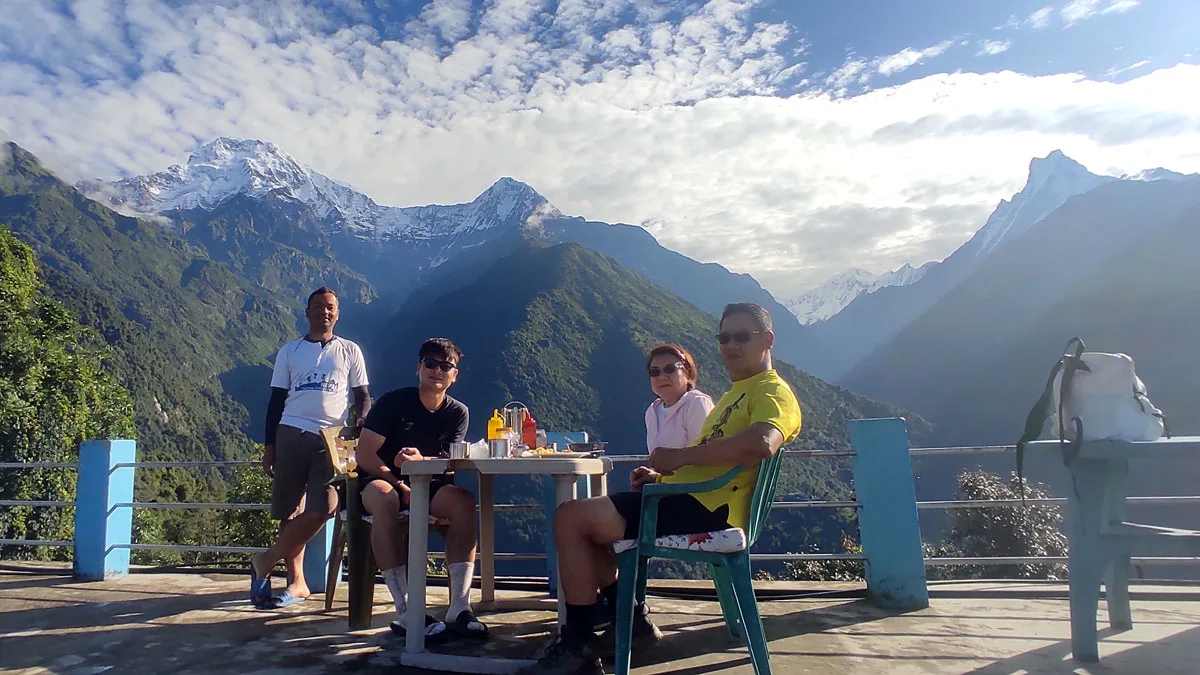
Staying safe during monsoon trekking isn’t about avoiding the trail altogether. It’s more about understanding how it changes and adjusting your way of moving. The mountains don’t suddenly become dangerous, but yeah, the rain definitely changes how you walk, plan, and react.
A careful trekker doesn’t rush things. You just build small habits, starting early, watching your steps, keeping yourself dry, and those little things add up. Safety isn’t something you do once and forget. It’s something you practice every single day on the trail.
Start Early and Follow the Weather
Monsoon weather usually follows a pattern. Mornings tend to be clearer, and by afternoon, clouds roll in and rain starts doing its thing. So if you begin early, you avoid most of the trouble.
Safety Tips:
- Start your trek early in the morning
- Try to reach your stop before afternoon rain kicks in
- Avoid walking when it’s raining heavily
- Just check the weather every day, it helps more than you think
Walk Carefully and Stay Balanced
Wet trails are tricky. You can’t just walk without thinking, you actually need to pay attention to every step.
Safety Tips:
- Walk slow and steady
- Use trekking poles, they really help
- Take smaller steps so you stay in control
- Don’t rush downhill, even if it feels easy at first
Stay Dry to Stay Healthy
This one’s simple but easy to ignore. If you stay wet for too long, you’ll start feeling it—cold, tired, maybe even sick. So yeah, staying dry actually matters a lot.
Safety Tips:
- Change out of wet clothes as soon as you can
- Wear proper waterproof gear
- Always keep an extra pair of dry socks
- Use a rain cover for your backpack
Be Aware of Landslides and Risky Areas
After heavy rain, some parts of the trail can get risky. Not everywhere, but certain sections, yeah, you need to be careful.
Safety Tips:
- Don’t stop in areas where landslides might happen
- Cross those sections quickly, but don’t panic
- Ask locals about the current trail conditions
- Avoid trekking if the rain just doesn’t stop
Use a Guide or Local Support
During monsoon, local knowledge becomes super helpful. A guide isn’t just there to show the path, they actually help you make better, safer decisions.
Safety Tips:
- Try to hire an experienced guide if you can
- Talk to locals about the trail before you move ahead
- Stick to known routes, don’t take random shortcuts
- Listen to teahouse owners. They usually know what’s going on
Keep Your Energy and Hydration Balanced
Monsoon weather can drain you faster than you expect. It’s humid, you’re walking more carefully, and somehow you just feel more tired.
So yeah, taking care of your body is part of staying safe too.
Safety Tips:
- Drink enough clean water
- Eat properly, don’t skip meals
- Take short breaks instead of pushing too hard
- Know your limits. Don’t overdo it
And just to keep it simple:
- Avoid trekking during heavy rain
- Follow local advice
- Listen to your guide
- Cross risky areas carefully but without delay
Travel with a Guide
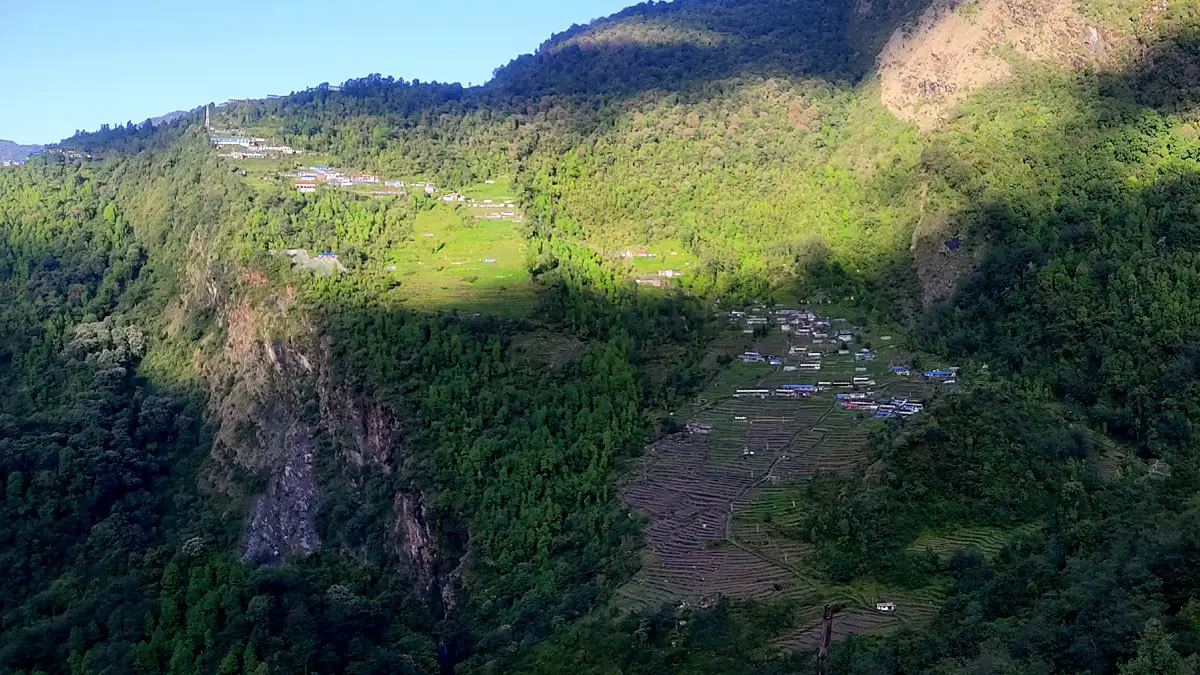
Honestly, trekking with a guide during monsoon just makes things easier. It’s not just about direction—they understand how the mountains behave, how weather shifts, and when it’s better to wait instead of move.
It’s like having someone who’s already been through it and knows what to expect.
Why a Guide Is Useful:
- They know which sections are safe and which aren’t
- They help you decide what to do when weather changes suddenly
- They handle unexpected situations better
- And they share useful local knowledge along the way
At the end of the day, monsoon trekking isn’t really for chasing perfect views. It’s more for people who enjoy the journey itself—the slow pace, the quiet trails, and everything in between.
Packing List for Annapurna Base Camp Trek During Monsoon
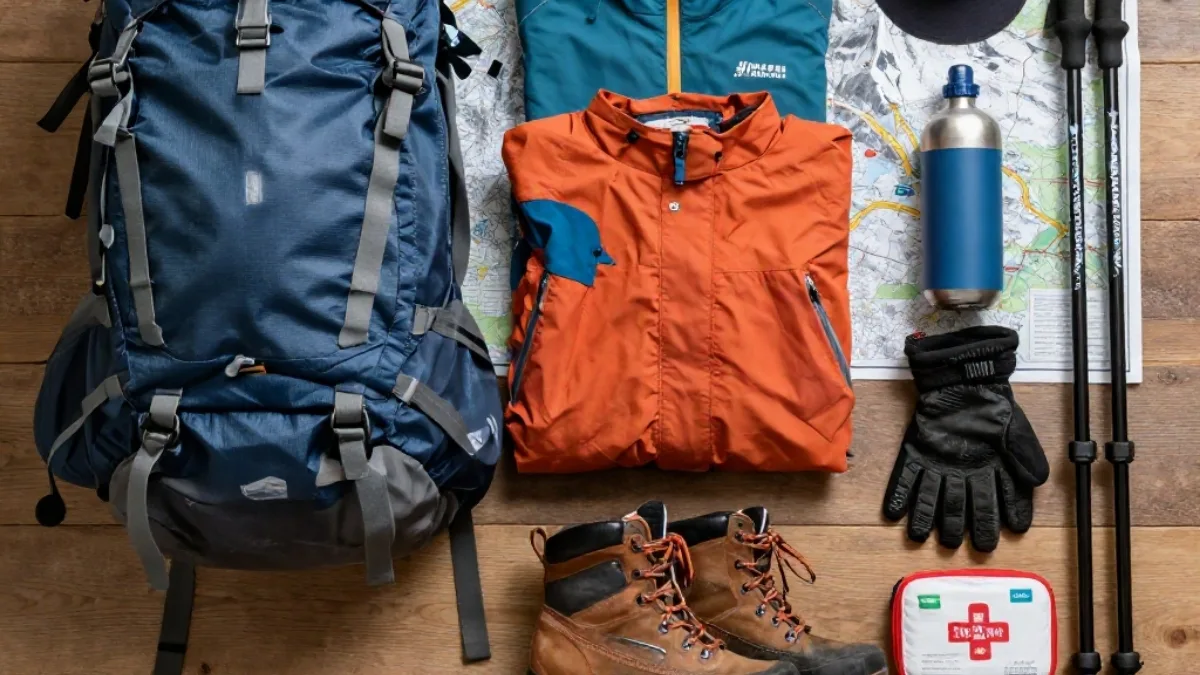
Packing isn’t just throwing random clothes into your bag and hoping for the best. When it comes to trekking, it’s more like setting yourself up with the right tools before you even start. Miss one important thing, and suddenly everything feels harder than it should.
And during the Annapurna Base Camp trek in monsoon? Yeah, packing matters even more. The weather is wet, unpredictable, and honestly a bit demanding. You can’t just assume you’ll buy whatever you forgot on the way. Most of the time, you won’t. And even small packing mistakes can mess with your comfort, your health, or just your overall experience.
Good packing makes things smoother. You stay dry, you move comfortably, and when something unexpected happens, you’re not panicking. Bad packing? It slows you down, makes you uncomfortable, and in some cases… you might even think about stopping the trek early.
Why Packing Matters:
- Keeps you dry and protected from constant rain
- Helps you avoid getting sick from staying in wet clothes
- Makes walking easier by cutting out unnecessary weight
- Gets you ready for sudden weather changes
- Keeps your important stuff safe and easy to find
- And honestly, it just gives you peace of mind when things don’t go as planned
Essential Clothing: Why Clothing Matters
When it comes to trekking to Annapurna Base Camp during monsoon, clothing isn’t just about looking “prepared.” It actually affects how comfortable you feel, how safe you are, and how much energy you have on the trail. Weirdly enough, it’s not the cold that’s the biggest issue, it’s the wetness and humidity.
If your clothes stay soaked for too long, your body loses heat, your energy dips, and you can start feeling sick or just plain miserable. On the flip side, the right clothes keep you dry, let you move freely, and help your body stay at a decent temperature.
Think of your clothing as your first layer of defense against the mountain. If that fails, everything else, walking, climbing, even just enjoying the scenery, gets a lot harder.
Why Clothing Matters:
- Keeps you dry even in constant rain
- Stops cold from wet clothes
- Helps regulate your body temperature while trekking
- Reduces the sticky discomfort from humidity and sweat
- Lets you move easily on slippery paths
- Protects your skin from rain, mud, and even insects
Bottom line: good clothing doesn’t just make the trek easier, it keeps you strong, focused, and able to enjoy the journey instead of constantly worrying about being wet and tired.
Gear You Should Not Skip
When trekking to Annapurna Base Camp during the monsoon, gear is not just helpful, it becomes your protection. If you are not properly equipped, the rain, mud, and slippery paths can quickly turn a simple walk into a tiring struggle.
Good gear works like a shield. It keeps your body stable, your belongings dry, and your movement smooth. Without it, small issues like wet clothes or loss of balance can grow into bigger problems like fatigue, discomfort, or even injury.
Experienced trekkers always say one thing, the mountain is tough, but the right gear makes it manageable.
Important Gear:
- Backpack Rain Cover: Rain can start anytime. A rain cover protects everything inside your bag—clothes, electronics, and documents. Without it, your entire backpack can get soaked in minutes.
- Dry Bags for Valuables: Even with a rain cover, water can still find its way in. Dry bags give an extra layer of safety, especially for phones, chargers, and important items.
- Trekking Poles for Balance: On wet and slippery trails, poles act like extra legs. They help you stay balanced, especially while going downhill or crossing muddy sections.
- High-Quality Trekking Shoes: Shoes are the most important part of your gear. A good grip prevents slipping, and a waterproof material keeps your feet dry. Poor shoes can ruin your entire trek.
Small But Important Items
These are the things many people ignore while packing. They look small, but on the trail, they can make a big difference. Sometimes, it’s these little items that save your day when conditions get tough.
Think of them as your backup support, they don’t take up space, but they give you comfort and control.
Useful Extras:
- Salt or Leech Repellent: Leeches are common in the monsoon. Salt or spray helps remove them quickly and keeps you stress free.
- Headlamp or Torch: The weather can delay your trek, and you may arrive late. A headlamp helps you walk safely in low light.
- Power Bank: Charging points are not always reliable. A power bank keeps your phone alive for maps, photos, and emergencies.
- Quick-Dry Towel: Regular towels stay wet for too long. A quick-dry towel helps you stay clean and comfortable.
Travel with a Guide
Take a trip with a guide. In the monsoon, a guide is more than just a person who shows you where to go. They know how the mountain acts, what the weather is like, and when it's safe to go. It's like having someone who already knows how to get there.
Why a Guide Is Useful:
- Knows which parts are safe and which are dangerous
- Helps you decide what to do when the weather is bad
- Deals with things that come up out of the blue
- Offers help and knowledge about the area
In short, monsoon trekking is for people who like the journey more than having perfect weather.
Insurance for Annapurna Base Camp Trek
When you're chasing clouds in an area that is prone to landslides, regular coverage isn't enough. Your policy needs to clearly say that it covers emergency helicopter evacuations up to the highest trek altitude (Annapurna Base Camp: 4,130 m) and medical costs.
Before you leave, read the fine print on your insurance. Look for altitude limits, clauses for pre-existing conditions, and exclusions for "adventure activities." The right insurance not only keeps your money safe, but it also gives you peace of mind so you can enjoy the sound of the rain.
If you travel with Nepal Gateway Trekking, the trek guide will take care of permits and insurance.
Contact Details
Email: [email protected]
Website: https://nepalgatewaytrekking.com
Final Thoughts
Not everyone can handle the Annapurna Base Camp trek during the monsoon. It needs patience, some toughness, and the ability to walk even when the weather isn't great. But for those who believe it, the experience feels more real and personal.
The trails are less busy, the hills are greener, and the whole area feels alive. You don't just see the mountains; you feel the journey. The little things, like walking through foggy forests or hearing rivers get stronger after it rains, stay with you longer than perfect views.
If you plan ahead, bring the right gear, and are open to new experiences, trekking in the monsoon can be just as rewarding as any other time of year, and sometimes even more so.
This could be the kind of adventure for you if you like peace over crowds and experience over comfort. Put on your boots, accept the rain, and go to a part of the Annapurna region that most people don't see. Contact Nepal Gateway Trekking for your next adventure.
Frequently Asked Questions
Is it safe to trek to Annapurna Base Camp during the monsoon?
How you plan your trek will determine how safe it is during the monsoon. Most trekkers can still handle the trek and stay safe as long as they start early, bring the right gear, and stay away from heavy rain.
Can beginners do the Annapurna Base Camp trek during the monsoon?
The trek is a little harder during the monsoon, so beginners might have a hard time. A good guide or preparation can make the trip go more smoothly.
Will I see mountains during the monsoon trek?
Clouds often hide the mountains, but early in the morning or right after it rains, you can get clear and beautiful views.
Are leeches a threat while trekking?
Leeches are common in forest areas during the monsoon season. They don't hurt you, and things like salt or bug spray make it easy to deal with them.
What month is the best for the ABC trek during the rainy season?
September is usually the best month for the monsoon because it rains less and the chances of clear views are higher.
How hard is the trek during the monsoon?
The trek is a little harder because the trails are wet and slippery, so you have to walk more carefully and at a slower pace.
What should I bring for monsoon trekking?
When you pack, think about how to stay dry and comfortable. This means bringing waterproof clothes, sturdy trekking shoes, extra socks, and gear to protect your things.
Do you need a guide during the monsoon?
Trekking with a guide makes things safer because they help you choose your route, keep an eye on the weather, and deal with problems that come up.
Are tea houses open during the monsoon?
Tea houses stay open along the way, and since fewer people are trekking, it's easier to find a place to stay without having to book ahead of time.
How should I plan my trekking day?
A well-planned day starts early in the morning and ends before the rain starts in the afternoon, which helps you avoid most weather problems.