Mount Everest, the tallest mountain in the world, rises to an astonishing 8,848.86 meters (29,031.7 feet). For decades, it has symbolized human ambition, courage, and the desire to conquer the impossible. People from all over the world dream of standing on its summit, looking out over the clouds from the top of the world. Yet Everest is not only a mountain of dreams; it is a mountain of danger. Its infamous "death zone," above 8,000 meters, is a place where the air is thin, the cold is extreme, and even a small mistake can be fatal.
Among the countless climbers who have faced Everest, few stories are as haunting and unforgettable as that of Francys Arsentiev, known forever as the Sleeping Beauty of Mount Everest. The Francys Arsentiev Everest story tells of a woman driven by courage, love, and ambition, yet it also serves as a stark reminder of the brutal high-altitude mountaineering risks that come with chasing the summit. During the Everest 1998 tragedy, she faced the ultimate test of human endurance, showing both the beauty and the peril of chasing dreams at the highest heights.
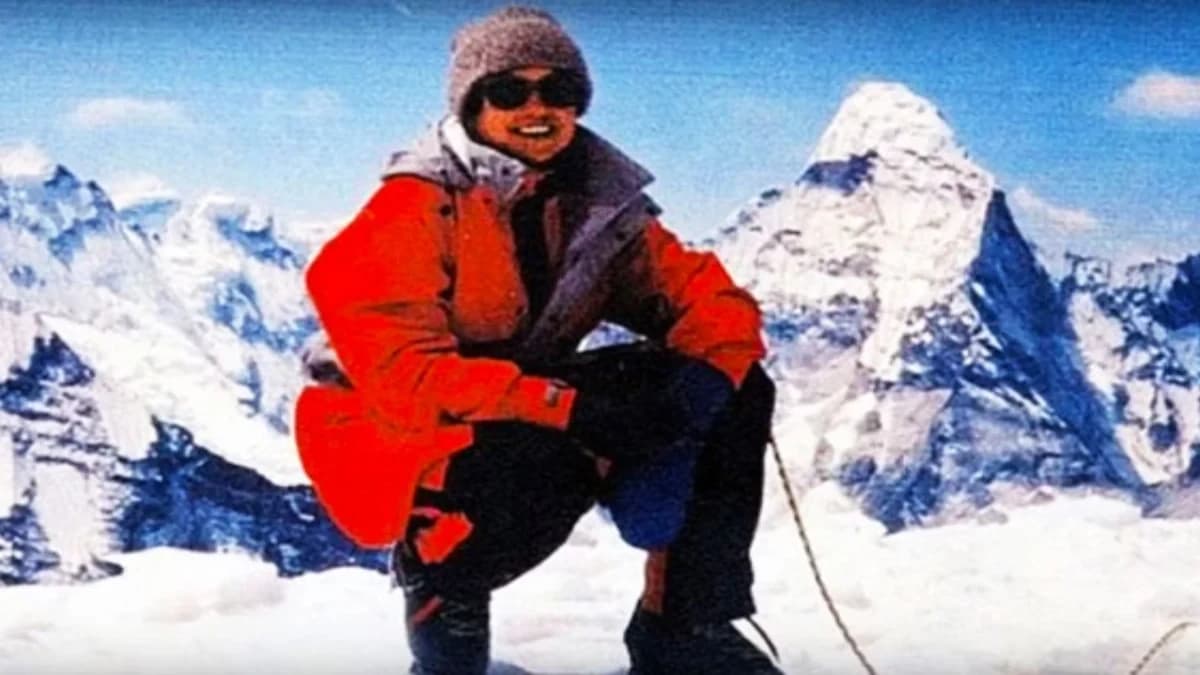
Francys Yarbro Distefano-Arsentiev (January 18, 1958 – May 24, 1998) was the first American woman to summit Mount Everest without supplemental oxygen, achieving this on May 22, 1998. She died during her descent two days later at approximately 8,500 meters on the Northeast Ridge. Her body remained visible to passing climbers for nearly nine years until 2007, when it was given a mountain burial. Climbers began calling her the "Sleeping Beauty" because of the serene, resting pose in which she was found still clipped to a fixed rope, appearing as though peacefully asleep.
Francys' story is sad but very moving. Why did the climber known as Everest's Sleeping Beauty risk her life by climbing to the mountain's most dangerous heights?
Who Was Francys Arsentiev? – Everest’s Sleeping Beauty
Francys Arsentiev was born on January 18, 1958, in Honolulu, Hawaii, and from her earliest days, the outdoors called to her. She would go to every hill and forest near her house, climb trees to see how high she could go, and picture herself on mountains that most people wouldn't even think about. She was brave, curious, and very determined. She brought that adventurous spirit to everything she did, always looking for new challenges that pushed her limits.
She grew up partly in the United States and partly in Switzerland, and went on to earn an undergraduate degree from the University of Louisville and a Master's degree in Business Management. Before her life in the mountains, she worked as an accountant in Telluride, Colorado a ski town where she would eventually meet the man who changed her life.
Even before her attempt on Everest, Francys had already conquered some of the world's most difficult peaks. She became known as a mountaineering legend, admired not only for her skill but for her courage and relentless determination. As an American female climber, Everest aspirant, she broke barriers, proving that women could take on the same dangers and still succeed. Her climbs inspired countless others, particularly women, to chase adventures that once seemed impossible.
Francys and her husband, Sergei Arsentiev, who was also a climber, shared her love of climbing. Together, they were more than partners in life, they were partners in ambition. They trained, made plans, and climbed together, all with the goal of reaching the top of Everest together. Their story isn't just about mountains; it's also about trust, love, and a bond that was formed in some of the hardest places on Earth.
Sergei was already a legend in Russian mountaineering circles, nicknamed "The Snow Leopard" for summiting the five highest peaks of the former Soviet Union. When they met in Telluride, Francys was not yet a serious high-altitude climber but Sergei's passion and encouragement transformed her. Together, they made their first ascent of Peak 5800m in Russia, which they named "Peak Goodwill," and climbed Denali via the West Buttress. Francys also became the first American woman to ski down Mount Elbrus, summiting both its east and west peaks. Everest, without oxygen, was to be the crowning achievement of their partnership
Francys & Sergei Arsentiev – The Couple’s Everest Dream
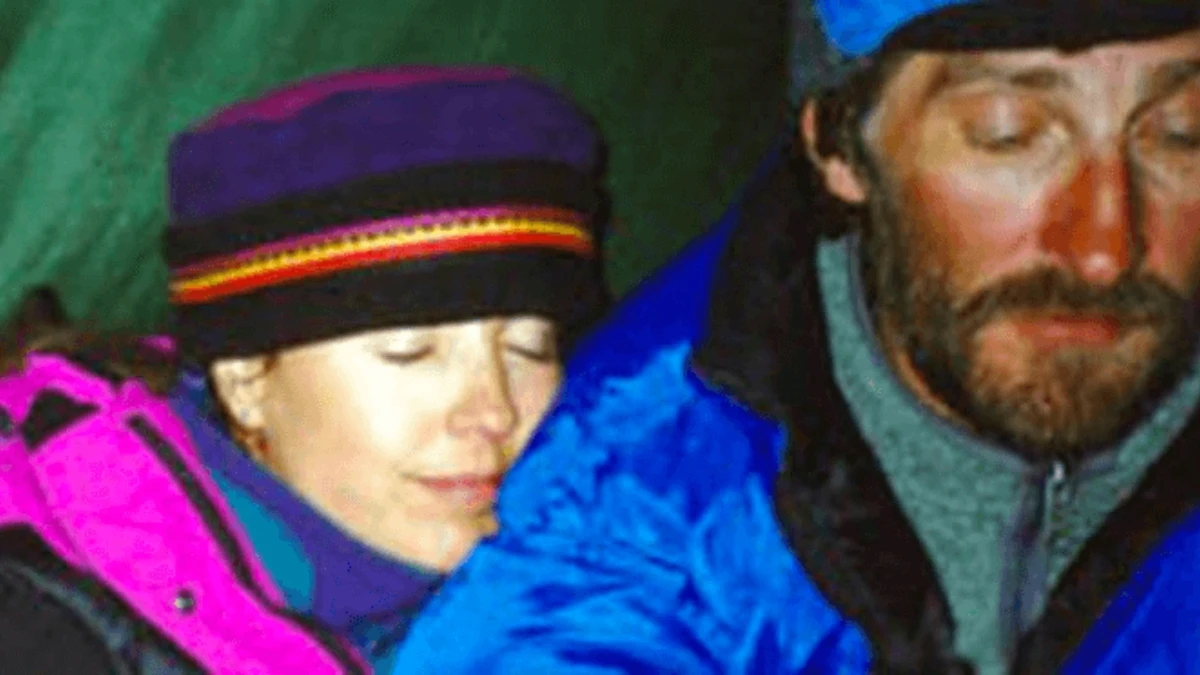
For Francys and Sergei, climbing was more than a sport; it was a shared life mission. Everest represented the ultimate challenge, a peak that demanded their full dedication, skill, and courage. For months, the couple got ready to climb. They learned about the risks of high-altitude mountaineering, studied routes, and trained their bodies and minds.
Their decision to climb without supplemental oxygen was a bold one. While this choice increased the difficulty and danger, it was also a testament to their skill and determination. Climbers who don't use oxygen to climb Everest are only the most experienced.
This is because the high altitude makes it much more likely that they will get tired, cold, or sick. The couple worked well together, but the mountain was unpredictable, and there was always a chance of danger.
Once considered a luxury reserved for a few elite climbers, the cost to climb Mount Everest has now become a serious investment that requires careful planning, budgeting, and the right guidance.
Francys Arsentiev Everest Story – The 1998 Expedition
The 1998 climbing season on Everest was particularly challenging. The weather was harsh, with strong winds and rapidly changing temperatures. Francys and Sergei joined a group that was trying to reach the top of the North route from Tibet. This route is known as one of the most dangerous forms of Everest unsupplemented oxygen climbs.
Their climb unfolded across several attempts. On May 17, they ascended from Advanced Base Camp to the North Col, reaching 7,700 meters. Two days later, on May 19, they climbed to 8,203 meters and reported being in good condition. On May 20, their headlamps failed in the dark and they were forced to abort the first summit attempt. On May 21, they tried again but turned back just 50–100 meters above their high camp. On May 22, they made their final, decisive push, and they did not stop.
Climbing without supplemental oxygen added another layer of danger. In the death zone, above 8,000 meters, the body struggles to function. Each step is exhausting. Every breath is too short and not enough. Climbers have to deal with being very cold, very tired, and very confused. Francys was still determined to reach the top, even though these things were hard. She was incredibly brave and determined, which showed that she would never give up, even when things were very dangerous.
The North Face of Everest is one of the most dangerous routes, yet she tried this route.
Timeline of Francys Arsentiev's Final Mount Everest Climb
|
Date |
Event |
Notes |
|
May 17–19, 1998 |
Acclimatization & preparation |
Climbers acclimatized at base and higher camps; carefully monitored weather conditions. |
|
May 20–22, 1998 |
Summit push |
Climbers reached upper camps; temperatures dropped, and wind speeds increased. |
|
May 23–24, 1998 |
Descent complications |
Fatigue, hypothermia, and altitude sickness impaired judgment; Francys faced life-threatening challenges. |
|
1999 |
Sergei's body found |
Jake Norton (Mallory & Irvine expedition) discovers Sergei lower on mountain died in a fall while searching for Francys |
|
May 23, 2007 |
"Tao of Everest" burial |
Woodall's team wraps Francys in American flag, lowers body from view; 5-hour operation |
These events bring to light the Everest death zone stories that climbers hear about every day. The death zone is very dangerous, and even the strongest climbers can get hurt there.
What Went Wrong During the Descent from Mount Everest?
Descending Everest is often far more dangerous than the climb to the summit, and for Francys and Sergei Arsentiev, the real peril began on the way down. Francys was so tired, sick from the high altitude, and cold that every step was hard for her. The thin air made her body and mind weak, and as her strength faded, even simple tasks became hard.
The extreme conditions of the death zone added to the danger. Cold winds, icy terrain, and rapidly dropping temperatures sapped energy and slowed reaction times. People who have climbed a lot can still make big mistakes when they are under so much stress.
Even though Francys was skilled and determined, she couldn't make it through these challenges. This is a clear reminder that even the most prepared mountaineers face serious risks when they are in the death zone.
The specific sequence is critical. At the summit at 6:30 PM on May 22, the late hour forced Francys and Sergei to spend the night above 8,000 meters their fourth consecutive night in the Death Zone without supplemental oxygen. By this point, the human body is in serious physiological decline: cells begin breaking down, judgment is severely impaired, and coordination fails. Disoriented and exhausted, the couple became separated in the dark during the descent. Sergei made it back toward camp, then collected an oxygen bottle and turned back upward into the Death Zone to find Francys. That decision cost him his life.
Let Francys’ courage remind you: respect the mountains, train well, and climb safely.
Curious how cold Everest really is? Discover the extreme temperatures climbers face and how to prepare for the world’s harshest conditions.
Why Is Francys Arsentiev Called the Sleeping Beauty of Everest?
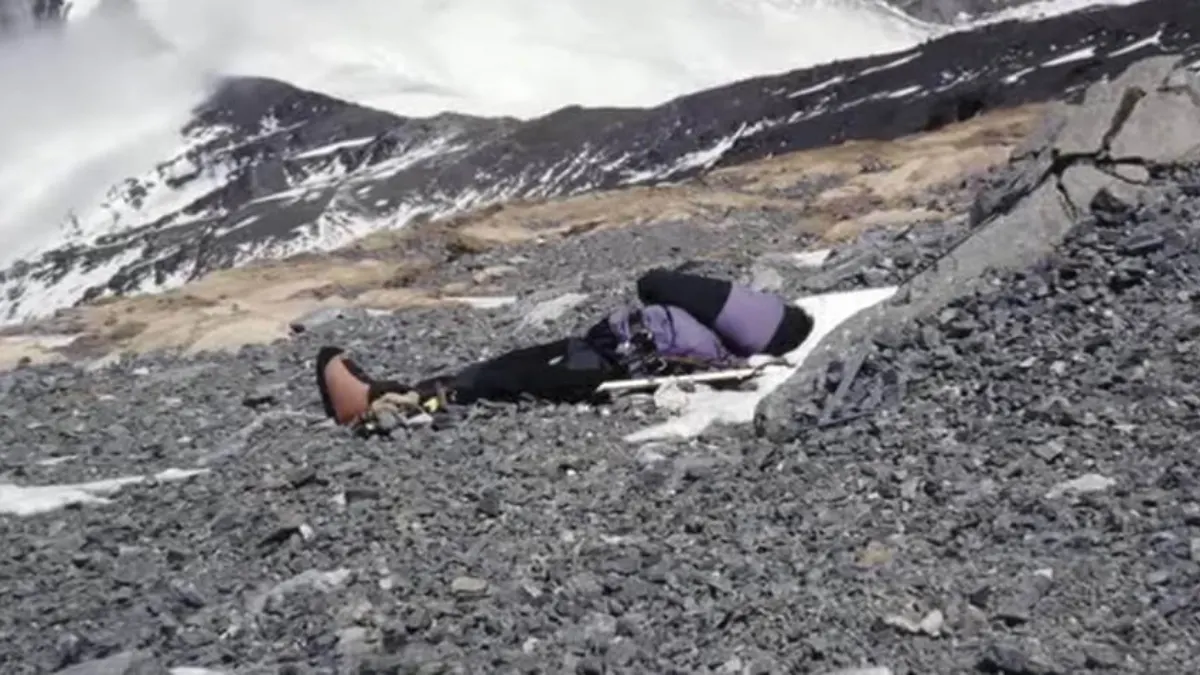
Francys Arsentiev earned the haunting title of the Sleeping Beauty of Everest because of the serene and peaceful way her body was found on the mountain, lying as if in a deep sleep. This image, frozen forever in the harsh expanse of Everest, has captured the imagination of climbers and adventurers around the world.
The climbing season in 1998 was especially hard because the weather was unpredictable and the conditions were tough. But Francys and her team kept going, determined to reach the top. Her bravery in facing such great risks has made her story unforgettable and left a mark on the history of high-altitude climbing.
Her decision to climb without supplemental oxygen, a perilous choice even for the most experienced climbers, only amplified the risks she faced. Francys showed incredible determination and skill as she and her husband, Sergei, and a small team made their way through the North route from Tibet, which is one of the most dangerous places in the world.
Even though her journey ended in tragedy, her bravery, determination, and the haunting image of her final resting place continue to inspire climbers all over the world. Her story shows us that even when faced with death, courage and ambition can leave a mark on the world of mountaineering.
Sergei Arsentiev’s Heroic Efforts to Rescue His Wife
When Francys began struggling during the descent, Sergei Arsentiev faced the most heart-wrenching challenge of his life. Despite exhaustion, freezing temperatures, and the thin, suffocating air of the Everest death zone, he refused to leave her side.
Every step to help her down the mountain was a battle against both nature and his own weakening body, as fatigue, cold, and lack of oxygen threatened to overpower him.
Sergei attempted to carry Francys, offering every bit of strength and skill he had, but the extreme conditions made rescue nearly impossible. The steep slopes, icy ridges, and relentless winds of the North route tested both his physical endurance and mental resolve.
Ultimately, despite his heroic efforts, Sergei could not save her from the deadly forces of the mountain. His courage, determination, and selfless love, however, left an unforgettable mark, illustrating both the limits of human endurance and the harsh reality of the Everest death zone.
Learn from Sergei’s courage prepare, respect the risks, and climb safely in the Everest death zone.
Check out the best places to see Everest in Nepal and plan your visit to the most breathtaking viewpoints.
Why Climbers Could Not Save Sleeping Beauty on Everest?
The Everest death zone is one of the deadliest places on Earth, where oxygen is scarce, temperatures plummet, and every step can be life-threatening. For climbers attempting a rescue, the risks are extreme; not only must they battle exhaustion, cold, and thin air, but they also face the harsh realities of high-altitude mountaineering risks. Attempting to save someone in these conditions can put their own lives in danger, where even the smallest mistake can be fatal.
Beyond the physical dangers, there are ethical and practical considerations that make rescue nearly impossible. Helping one climber could put the whole team in danger, making it hard for climbers to make life-or-death decisions. Francys's sad story shows how dangerous the death zone on Everest is and how risky it can be to climb at high altitudes. Even the bravest and skilled climbers can reach limits that no amount of training or bravery can get past.
Discovery of Francys Arsentiev's Body on Mount Everest
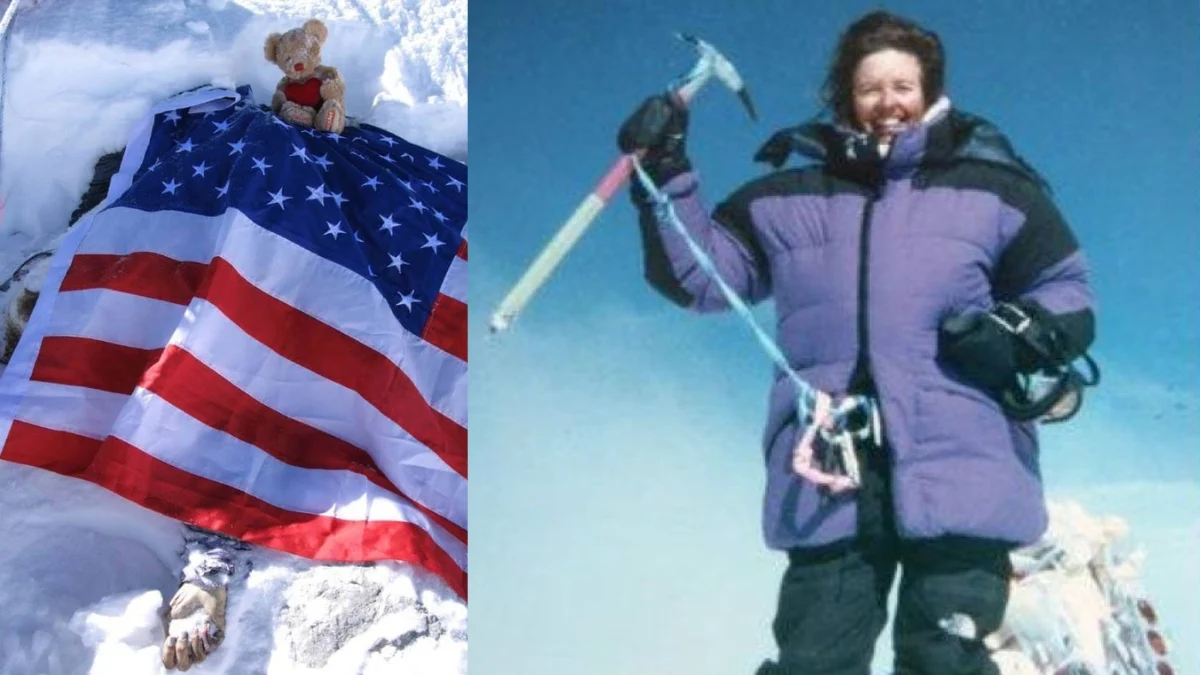
Francys Arsentiev’s body was discovered days after her tragic descent, resting on the icy slopes of Everest as if frozen in time. The serene and haunting image of her lying in the snow quickly became one of the most remembered and somber sights on the mountain. People who climbed up to her tried to help her as little as possible, like covering her with blankets or snow, but the weather made it almost impossible for them to move her body.
Over the years, her presence on the mountain has sparked debate and controversy. Some climbers have tried to cover or move bodies out of respect, but others say that trying to move someone in such bad weather puts more lives in danger. Francys' body, along with many others, is still in Rainbow Valley, which is a place of both sadness and respect. Her grave is a stark reminder of how dangerous Everest is and how hard life is for people who climb the world's highest peaks.
Is Francys Arsentiev’s Body Still on Mount Everest?
Yes. Francys Arsentiev’s body remains on Mount Everest in Rainbow Valley, a section of the mountain known for the many climbers who have tragically lost their lives there. She died on May 24, 1998, and her body stayed there for years. In 2007, climbers documented her presence again, as recovery remains extremely difficult due to the high altitude, harsh weather, and dangerous terrain. Rainbow Valley serves as a somber reminder of the risks of climbing Everest and honors the memories of those who gave their lives pursuing their dreams.
Who Found Francys Arsentiev on Everest?
Francys was encountered by two separate groups on two consecutive days. On the morning of May 23, an Uzbek climbing team found her semi-conscious near 8,500 meters, affected by oxygen deprivation, severe frostbite, and hypothermia. They administered oxygen and carried her down as far as their own supplies and strength would allow then, fully depleted, they were forced to abandon the rescue. That same evening, they passed Sergei on the mountain, heading upward to find her. It was the last time anyone saw him alive.
The following morning, May 24, British climber Ian Woodall and South African climber Cathy O'Dowd encountered Francys during their own summit attempt. She was still alive, but barely responsive. Both Woodall and O'Dowd immediately called off their own summit bid and spent more than an hour attempting to help her, trying to warm her, move her, and share their limited remaining oxygen. The conditions of temperatures of approximately -30°C, their own oxygen nearly exhausted, and Francys's complete inability to move under her own power made evacuation impossible. They were eventually forced to leave her to save their own lives. She died in the position they found her, still clipped to the fixed rope.
What Were Francys Arsentiev's Last Words?
Francys Arsentiev's last words are among the most haunting in the history of mountaineering. As Woodall and O'Dowd attempted to help her on May 24, 1998, she repeatedly said the same phrases:
"Don't leave me."
"Don't leave me here."
"Why are you doing this to me?"
"I am an American."
Whether she fully understood where she was or who was with her in those final hours is uncertain hypoxia and extreme cold had severely impaired her consciousness. Cathy O'Dowd later recalled that Francys had visited their tent for tea at base camp weeks earlier, speaking often about her son and her home. She was not, O'Dowd remembered, the obsessive climber type she was a mother, deeply connected to the people she loved. Leaving her behind was, by all accounts of those present, one of the most devastating moments any of them had experienced on a mountain.
The Ethics of Abandonment: Could Francys Have Been Saved?
Francys Arsentiev's story triggered one of the most enduring ethical debates in mountaineering: do climbers in the Death Zone have a moral obligation to attempt rescue, even when doing so risks their own lives?
Above 8,000 meters, hypoxia severely impairs judgment, coordination, and physical endurance. Carrying an incapacitated climber requires vast oxygen reserves and energy that most summit-day teams simply do not carry. The Uzbek team gave what oxygen they had on May 23. Woodall and O'Dowd spent over an hour trying on May 24 before their own survival was threatened. No one who encountered Francys did anything, yet none could save her.
This debate intensified in 2006 with the death of David Sharp, another climber who died in the Death Zone while multiple teams passed by without stopping. The two cases together forced the mountaineering community and the broader public to confront uncomfortable questions about summit fever, shared responsibility, and what it means to be human at 8,500 meters. These questions have never been fully resolved and likely never will be.
Francys Arsentiev will always be remembered as a brave climber, a loving partner, and a symbol of ambition and courage. Her story is tragic but filled with lessons for anyone drawn to the mountains. It reminds us that even in the pursuit of dreams, respect for nature and preparation is essential.
Learn from Francys' journey. If you dream of climbing high mountains, train diligently, respect the risks, and climb safely. Let her story guide your own adventures in the mountains. There is also famous incident of Green Boots of Everest.
Lessons from Francys Arsentiev – High-Altitude Mountaineering Risks
The story of Francys Arsentiev: Sleeping Beauty of Mount Everest teaches vital lessons for anyone venturing into high mountains. Safety should always come first: climbers must train thoroughly, plan routes carefully, and acclimatize properly before attempting extreme heights. The dangers of the death zone are real, and even the most skilled mountaineers can be overwhelmed without preparation.
Proper use of supplemental oxygen can be life-saving, and knowing when to rely on it is crucial. Francys’ courageous choice to climb without oxygen highlighted both her ambition and the immense risks she faced.
Francys Arsentiev will always be remembered as a brave climber, a loving partner, and a symbol of ambition and courage. Her story is tragic but filled with lessons for anyone drawn to the mountains. It reminds us that even in the pursuit of dreams, respect for nature and preparation is essential.
Learn from Francys’ journey. If you dream of climbing high mountains, train diligently, respect the risks, and climb safely. Let her story guide your own adventures in the mountains.
Climbing Everest is incredibly dangerous and expensive, and not everyone can take on such a challenge. But you don’t have to risk your life to see its beauty. Nepal Gateway Trekking offers amazing treks that let you experience Everest safely and up close:
- Everest Base Camp Trek
- Everest Base Camp and Chola Pass
- EBC Heli Trek
- EBC Gokyo Renjo La Pass
- Everest High Passes
- Everest Panorama Trek
- Everest Gokyo Trek
These treks give you a chance to witness the majestic Everest, enjoy breathtaking landscapes, and soak in the unique culture of the region, without stepping into the deadly death zone.
FAQ – Sleeping Beauty of Everest
Did Francys reach the summit of Everest?
Yes. Francys reached the summit on May 22, 1998, becoming the first American woman to summit Everest without supplemental oxygen one of the rarest achievements in mountaineering history.
How did Francys Arsentiev die?
She died on May 24, 1998, during her descent from the summit. The medical cause of death was hypothermia and cerebral edema the result of prolonged exposure to extreme cold at high altitude without supplemental oxygen. She had been stranded above 8,000 meters for over 72 hours.
What happened to Sergei Arsentiev?
Sergei Arsentiev also died on Everest. After becoming separated from Francys during the descent, he descended to camp, collected an oxygen bottle, and turned back up the mountain to find her. He was last seen alive on the evening of May 23, 1998. His body was discovered in 1999 by climber Jake Norton during the Mallory and Irvine Research Expedition, lower on the mountain face evidence strongly indicates he died from a fall while searching for Francys in the dark.
What were Francys Arsentiev's last words?
Her last recorded words were "Don't leave me," "Don't leave me here," "Why are you doing this to me?" and "I am an American" spoken repeatedly to Ian Woodall and Cathy O'Dowd as they attempted to rescue her on May 24, 1998.
Can climbers be rescued in the Everest death zone?
Rescue is nearly impossible in the death zone because of low oxygen, freezing temperatures, and dangerous terrain, making every attempt extremely risky.
What is Rainbow Valley on Everest?
Rainbow Valley is where many climbers, including Francys, remain; it’s a haunting place marked by bright climbing gear and tragic memories.
Is Francys Arsentiev’s body still on Everest?
Her body is still on Everest but is no longer visible. In 2007, Ian Woodall's "Tao of Everest" expedition wrapped her remains in an American flag and lowered her body to a location out of sight of the main climbing route. Full recovery from the mountain remains impossible due to altitude and conditions.
What is the Tao of Everest expedition?
"The Tao of Everest" was a 2007 humanitarian expedition organized by Ian Woodall one of the last people to see Francys alive. Its sole purpose was to give Francys a dignified mountain burial. The team wrapped her in an American flag, placed a note from her son Paul Distefano with her remains, and lowered her body over the ridge to a non-visible location. The operation took five hours.
Why didn’t other climbers help her?
The death zone’s extreme danger made rescue too risky, and even the bravest climbers could only do so much to help.
How can I safely explore the Everest region?
Plan carefully, hire guides, acclimatize properly, and respect the mountain—Francys’ story is a reminder to balance ambition with caution.