Quick Summary
- Gosaikunda trail: The main trekking area was outside the primary flood corridor.
- Road access: The usual route into Rasuwa was badly affected and is still under repair.
- Dhunche: Access is improving, but the route should not be treated as fully back to normal.
- Alternative: An official alternative route via Dupcheshwor and Suryakunda has been provided.
- Best approach: Check road, trail, and weather conditions close to your departure date.
Yes, you can still plan a Gosaikunda Trek after the 2026 Rasuwa flood, but getting to the trekking area is more complicated than before. The August 26, 2026, flood damaged roads and bridges across parts of Rasuwa and Nuwakot. The worst damage was around the Bhote Koshi and Trishuli corridors, affecting places such as Timure and Syabrubesi.
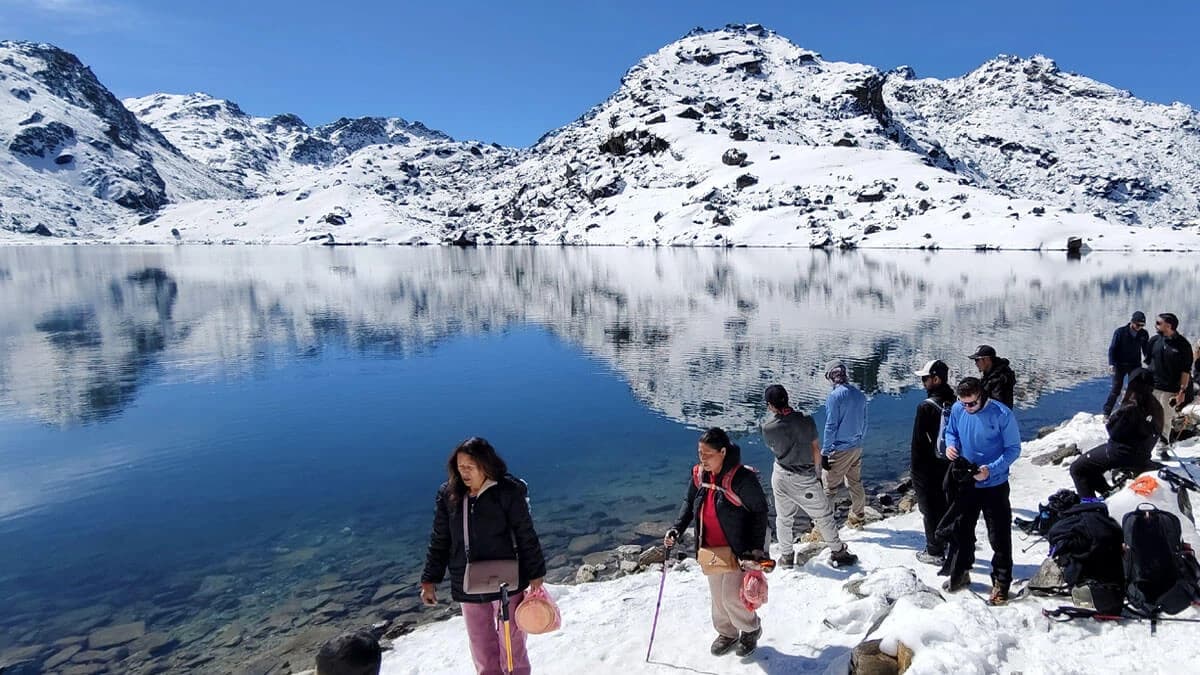
Gosaikunda itself is away from the main flood corridor. The bigger problem for trekkers is road access into Rasuwa, especially if your plan depends on the usual Kathmandu-Dhunche route.
Road repairs and alternative access are still developing, so don't rely on old travel times or pre-flood itineraries. Check the latest conditions shortly before you leave for Langtang Gosaikunda Lauribina Pass Trek.
Is the Gosaikunda Trek Open After the 2026 Rasuwa Flood?
The trek itself has not been completely closed because of the flood, but the normal way of getting there has changed. The flood damaged important road sections in Rasuwa, and repairs are still ongoing. Official tourism guidance has also provided an alternative route toward Gosaikunda instead of treating the old Dhunche route as fully restored.
So, whether you can do the trek depends on which route is usable when you travel.
If you're planning soon, get a fresh update from your guide or trekking operator before confirming your dates.
How Did the 2026 Rasuwa Flood Affect Gosaikunda?
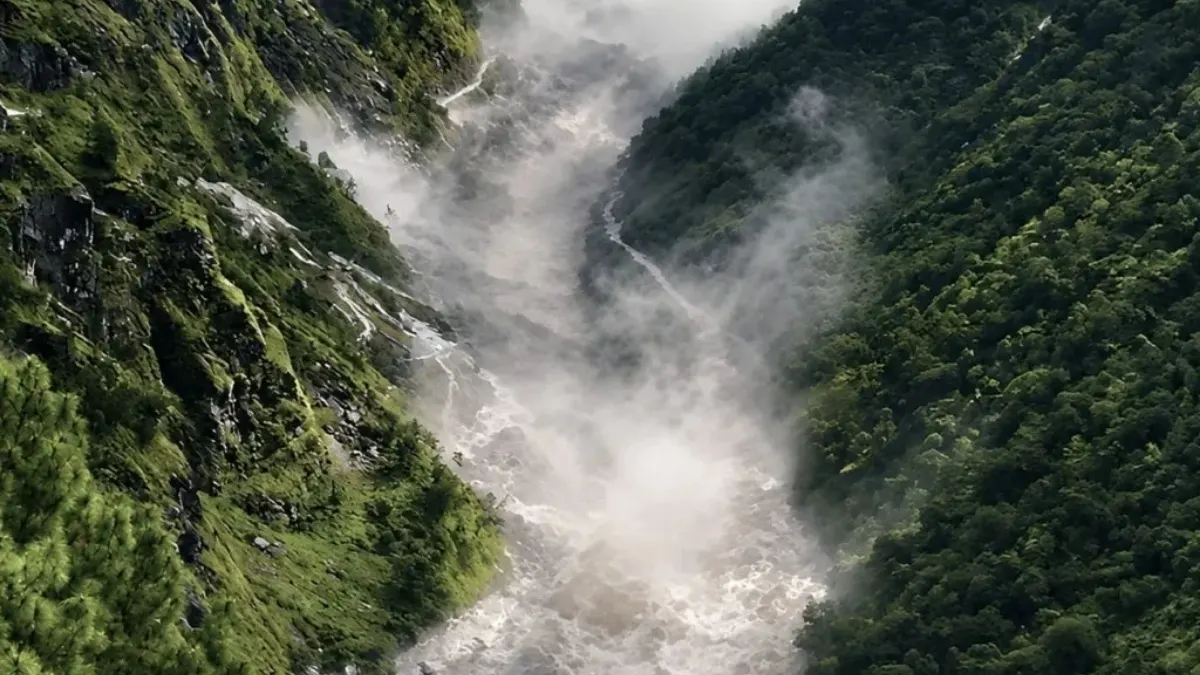
The 2026 Rasuwa flash flood mainly hit the river corridors and road infrastructure rather than the Gosaikunda trekking area itself.
Areas badly affected
- Timure and Rasuwagadhi
- Syabrubesi
- Parts of the Trishuli-Rasuwa road network
- Roads and bridges connecting Rasuwa with other districts
What this means for Gosaikunda
- The lake was outside the main flood corridor.
- The higher trekking route was not completely destroyed by the flood.
- The biggest problem is reaching and leaving the region.
- Road conditions can still change after heavy rain.
So, flood damage to the road does not mean the whole Gosaikunda trail is damaged.
Kathmandu to Dhunche Road Condition
The Kathmandu to Dhunche road condition is the main thing to check before starting the trek. The road was badly affected by the flood, and repair work is still underway. Depending on your travel date, you may face:
- Rough road sections
- Delays around construction
- Temporary diversions
- Damaged or temporary bridges
- Longer travel times
- Fresh problems after heavy rain
Don't plan your trip around the old 6-8 hour travel estimate.
The road situation can change quickly, so get an update from registered trekking agency in Nepal before planning your trek.
Is the Gosaikunda Trekking Trail Damaged?
The main Gosaikunda trekking area was outside the primary flood corridor, and the entire trail has not been reported as destroyed by the flood. But that doesn't mean every section is guaranteed to be clear.
You can still have problems from:
- Heavy rain
- Landslides
- Rockfall
- Eroded trails
- Damaged bridges
- Poor visibility at higher elevations
So the flood itself is not the only thing to check. Your guide should confirm the actual trail condition before you start walking.
What Is the Traditional Route to Gosaikunda?
The usual route is Kathmandu → Dhunche → Deurali → Sing Gompa → Lauribina → Gosaikunda.
You go by road as far as Dhunche and walk from there. The trekking section hasn't been reported as completely damaged by the August flood, but your guide should still check for recent landslides, damaged sections, and weather problems before you go higher.
Planning either Gosaikunda trek or Langtang Valley trek, you should be aware about the route access and condition because these are the treks which were affected by the flood.
Is There an Alternative Route to Gosaikunda?
Yes. An official alternative route has been provided for travellers who need to avoid the affected Dhunche corridor.
The route goes through:
Dupcheshwor → Sisipu → Talu → Phedi → Suryakunda Pass → Gosaikunda
Suryakunda Pass is around 4,675 meters, so this is not just a simple road detour. It is a proper high-altitude trekking route and needs extra planning.
Check the latest trail, weather, and accommodation conditions before choosing it.
Can You Use the Thulo Syabru Route?
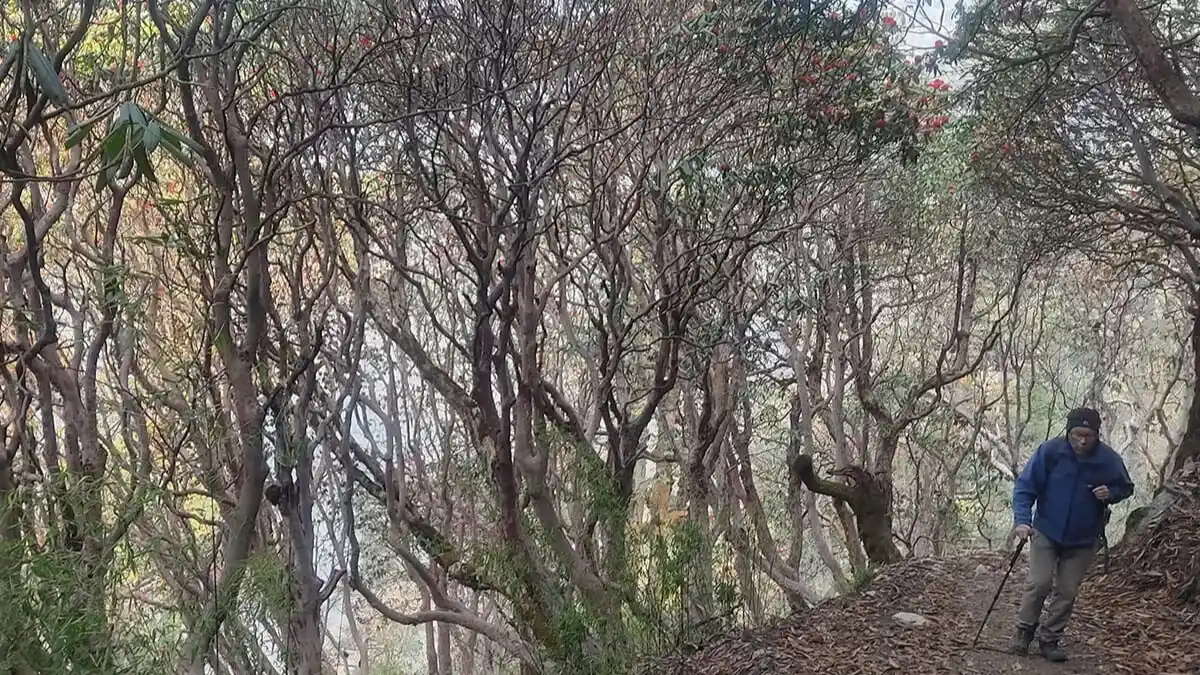
Thulo Syabru connects the Langtang and Gosaikunda trekking areas, so it can be useful for trekkers combining both regions.
A possible connection is
Dhunche → Thulo Syabru → Sing Gompa → Gosaikunda
But don't assume this is automatically the best alternative after the flood. Road access to Thulo Syabru also depends on current conditions, and some sections may require a private vehicle or 4WD. If you're considering this option, confirm the route with your guide before travelling.
Can You Reach Gosaikunda Without Using the Dhunche Road?
Yes you can reach Gosikunda without using the Dhunche Road. One longer option starts from the Kathmandu Valley:
Sundarijal → Chisapani → Kutumsang → Tharepati → Ghopte → Gosaikunda
This lets you avoid depending on the Kathmandu-Dhunche road. The trade-off is simple: you need more trekking days. It is therefore better suited to trekkers who have enough time and want to avoid uncertain road access rather than people looking for a quick replacement for the normal route.
These are the routes that are accessible but you must be curious about the Langtang Valley trek condition, to be more clear, read the blog on: Can You Still Trek the Langtang Valley After the 2026 Rasuwa Flood?
Can You Cross Lauribina Pass After the Flood?
Yes, Lauribina Pass can still be part of your Gosaikunda itinerary, but check the conditions before crossing. The pass is away from the main flood corridor, but it is a high-altitude section at around 4,610 metres.
Before crossing, check:
- Weather and visibility
- Recent rainfall or snowfall
- Trail condition
- Landslide or rockfall reports
- Advice from your guide or local lodge
The flood may not have affected the pass directly, but mountain conditions can change quickly.
What Should You Check Before Starting the Trek?
Before leaving Kathmandu, check these things:
- Kathmandu-Dhunche road condition
- Whether vehicles can currently reach Dhunche
- Whether a private vehicle or 4WD is needed
- Current trail condition
- Any recent landslides
- Weather forecast
- Lauribina Pass condition
- Accommodation on your chosen route
- Any current local restrictions or official notices
Most importantly, check again shortly before departure. Information from a few weeks ago may no longer match what's happening on the road.
Is Gosaikunda Trek Recommended Right Now?
Right now (2026 sep 29), we wouldn't confirm the trek without checking the latest route conditions first. The main worry is access through Rasuwa and which routes are actually usable.
If the road or an alternative trail is confirmed for your dates, we can plan the trek as normal. If access is still unclear, it may be better to change the itinerary or pick another region.
Final Thoughts
The Gosaikunda Trek after the Rasuwa Flood 2026 is still possible in some circumstances, but it is not a normal pre-flood trip right now.
The main concern is getting to and from the trekking area, not the complete loss of the Gosaikunda trail.
The usual Kathmandu–Dhunche route is still affected by the flood recovery work, while alternative routes are available depending on current conditions.
For now, we do not recommend confirming the trek without checking the latest road and trail situation close to your departure date.
If you are planning Gosaikunda and want to check the current route before booking, you can also contact Nepal Gateway Trekking to be more informed about the current situation.
FAQs
Is the Gosaikunda Trek open after the 2026 Rasuwa flood?
The trekking area hasn't been reported as completely damaged. Road access into Rasuwa is still affected, though, so check current conditions before you travel.
Is the Kathmandu to Dhunche road open after the flood?
It's being restored, but it isn't back to normal everywhere. Repairs and temporary arrangements keep changing.
What is the alternative route to Gosaikunda after the flood?
The official alternative goes through Dupcheshwor, Sisipu, Talu, Phedi and Suryakunda Pass, then on to Gosaikunda.
Can I reach Gosaikunda through Thulo Syabru?
Yes, Thulo Syabru links the Langtang and Gosaikunda areas, so it can be part of a combined or alternative itinerary. Confirm the road and trail conditions first.
Is the Gosaikunda trekking trail damaged?
The main trail was outside the worst of the flood area and hasn't been reported as destroyed. Individual sections can still be hit by rain, landslides or other problems.
Can I reach Gosaikunda without taking the Dhunche road?
Yes. A longer route starts at Sundarijal and goes through Chisapani, Kutumsang, Tharepati and Ghopte.
Can you cross Lauribina Pass after the flood?
The pass wasn't in the main flood area, but whether you can cross depends on the weather and high-altitude conditions. Ask your guide before crossing.
How should I check the Gosaikunda route before travelling?
Ask your trekking operator or guide for the latest road and trail conditions shortly before you leave, and look at any current official travel notices for Rasuwa.