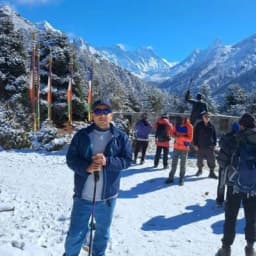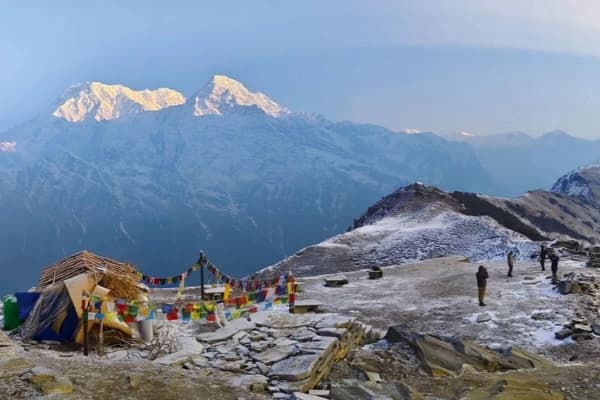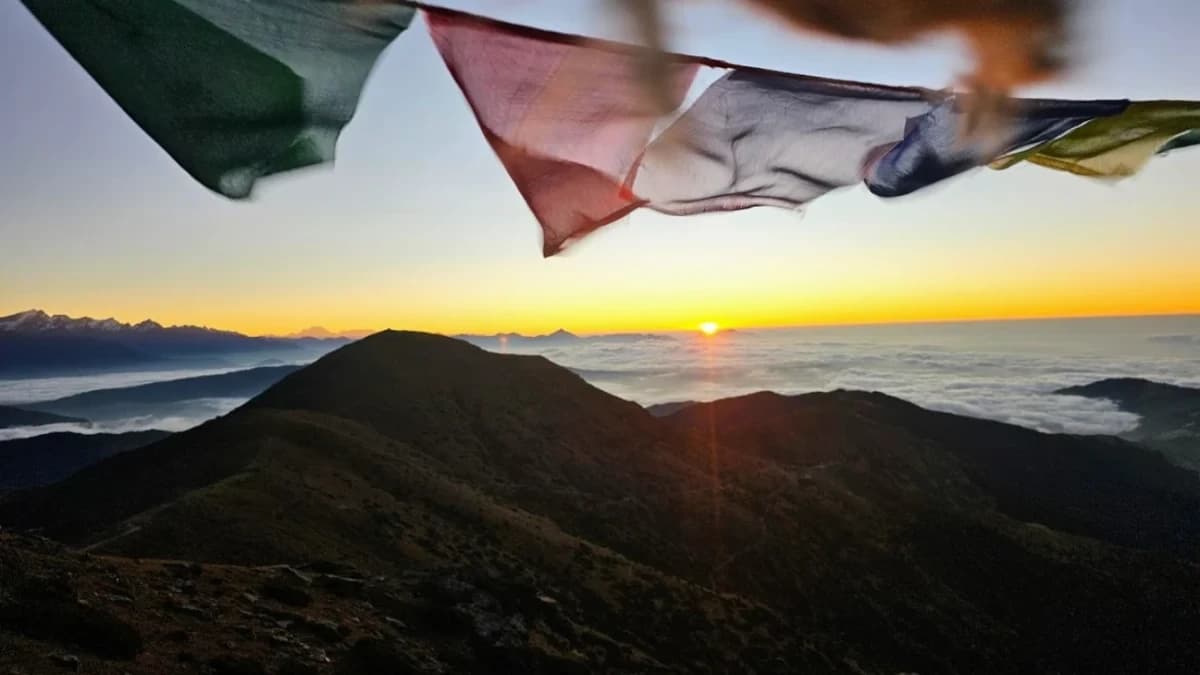
The Pikey Peak Trek Difficulty is usually described as Grade 1 moderate. The highest point is 4,065m, and you’ll walk about 5–7 hours a day. It’s easier than Everest Base Camp, but a bit harder than Ghorepani Poon Hill. So yeah, it sits somewhere in the middle, which actually makes it perfect for fit beginners.
For most healthy people with average fitness, the Pikey Peak trek is manageable. It’s not as demanding as other Everest region treks, but it’s more challenging than short hill hikes because of the higher Pikey Peak altitude and terrain and the longer walking hours.
In simple words, Pikey Peak Trek Difficulty is moderate but achievable, especially if you follow a proper Pikey Peak trek itinerary and do some basic Trekking preparation and training beforehand.
Where Is Pikey Peak Located?
Pikey Peak lies in the beautiful Solu Khumbu region, south of the main Everest trail. It is part of the lower Everest region and offers panoramic views of Everest and other Himalayan giants.
Pikey Peak is situated in the Solu Khumbu region, south of the primary Everest trail. It offers a "quiet" alternative to the crowded northern routes while providing a panoramic view of the world’s highest peaks.
The journey typically starts from Dhap village and navigates through:
- Jhapre & Pikey Base Camp: High-altitude ridge points.
- Loding & Junbesi: Traditional Sherpa villages.
- Phaplu: The regional hub for flights and drives back to Kathmandu.
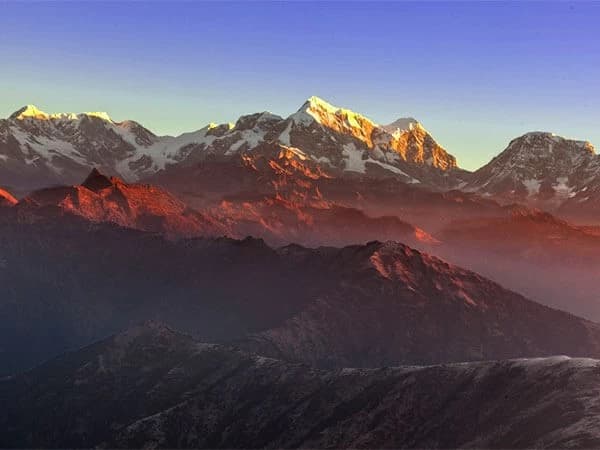
From the 4,065m summit, the reward-to-effort ratio is unrivaled. You can see:
- Mount Everest (8,848.86 m)
- Lhotse (8,516 m)
- Makalu (8,485 m)
- Kanchenjunga (8,586 m)
How Difficult Is Pikey Peak Trek?
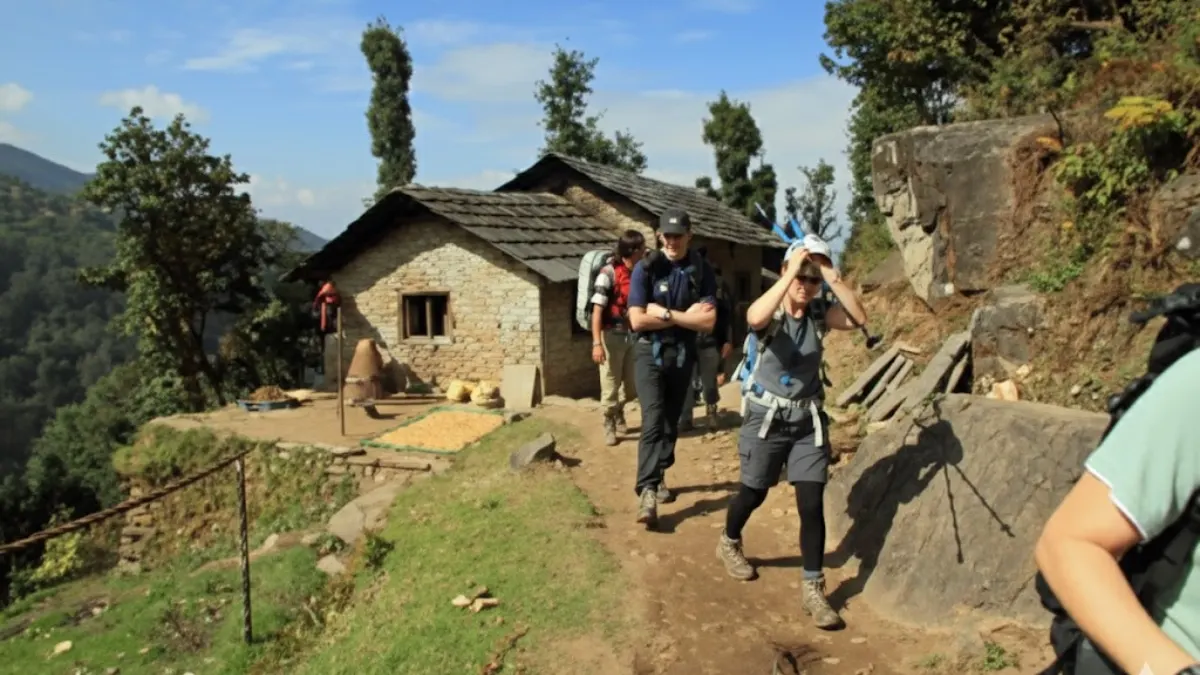
The Pikey Peak Trek Difficulty level is generally considered moderate.
It’s not some easy, flat stroll. But it’s also nowhere near as tough as high-altitude Everest Base Camp or Three Passes treks. It sits right in between, honestly.
Difficulty Level at a Glance
- Trek Type: Moderate Himalayan trek
- Maximum Altitude: 4,065 meters (Pikey Peak summit)
- Duration: 6–9 days
- Daily Walking Hours: 5–7 hours
- Trail Type: Gradual ascents, forest trails, ridges
For most healthy people with basic fitness, the Pikey Peak trek is manageable. You just need proper preparation and realistic expectations, that’s really it.
What Makes Pikey Peak Trek Moderately Difficult?
So what actually makes it “moderate”? It’s really the mix of things. The gradual altitude gain, those 5–7 hour walking days, the changing terrain, the seasonal weather, and the fact that the area is a bit remote. None of these alone is extreme. But together? They make the Pikey Peak trek moderately difficult.
- Easier than Everest Base Camp: The maximum altitude is lower, and the days aren’t as long or intense.
- More challenging than Poon Hill: You’re going higher, plain and simple. And the walking hours? Longer. So your legs will definitely notice the difference.
- Ideal for beginners & families: But don’t let that scare you. If you’ve got basic fitness and you do a little preparation beforehand, it’s absolutely doable. No extreme training required.
So yeah, Pikey Peak Trek Difficulty is moderate but achievable. Most healthy beginners and moderately fit trekkers can finish it safely, just take it slow, pace yourself, and prepare a little. That’s really what it comes down to.
Recommended Read: Pikey Peak Trek Permits
Below is a detailed breakdown:
1. Altitude & Acclimatization
The Pikey Peak summit stands at 4,065 meters. That’s lower than many other Everest region treks, sure. But it’s still high enough to trigger Acute Mountain Sickness (AMS) if you rush or ignore the signs. So yeah, altitude is real up there.
Oxygen Levels & AMS Risk
|
Altitude |
Oxygen vs Sea Level |
AMS Risk |
|
2,000–2,500 m |
80–85% |
Low |
|
3,000–3,500 m |
70–75% |
Moderate |
|
4,000 m+ |
60–65% |
Higher |
Key Insight: The good thing? You don’t just jump to 4,065 meters overnight. The trek usually starts from Dhap (2,850 m), and the climb is gradual. Your body gets time to adjust naturally. And that’s exactly why most beginners and moderately fit trekkers find it manageable if they pace themselves.
2. Daily Walking Hours
The Pikey Peak trek usually means walking about 5–7 hours a day on average. Some days feel lighter. Others? A bit longer.
- Shorter days: 4–5 hours at the beginning, so you ease into it.
- Moderate days: 6–7 hours in the middle of the trek. This is where you really feel the rhythm of trekking in Solu Khumbu.
- Summit day: Around 2–3 hours of pre-dawn climbing. It’s early. It’s cold. But it’s worth it.
The hours themselves aren’t extreme. But walking day after day does add up. So yeah, basic fitness and decent leg strength definitely help. You can take Pikey Peak Trek Map with you for guidance.
3. Terrain Type
The terrain is a big part of why the Pikey Peak Trek Difficulty is moderate.
- Forests: You’ll walk through rhododendron and pine forests. Lovely for shade, but the ground can be uneven.
- Stone steps: Some stretches have steps made of stone, so watch your footing.
- Ridgelines: These open areas can be windy and cold, especially on summit day.
- Settlements: Villages like Jhapre, Junbesi, and Phaplu are perfect for short breaks and a bit of rest.
The good thing? There are no technical climbs, no ice, and no glacier crossings. So while it’s physically engaging, it’s still very beginner-friendly.
4. Weather & Seasonal Impact
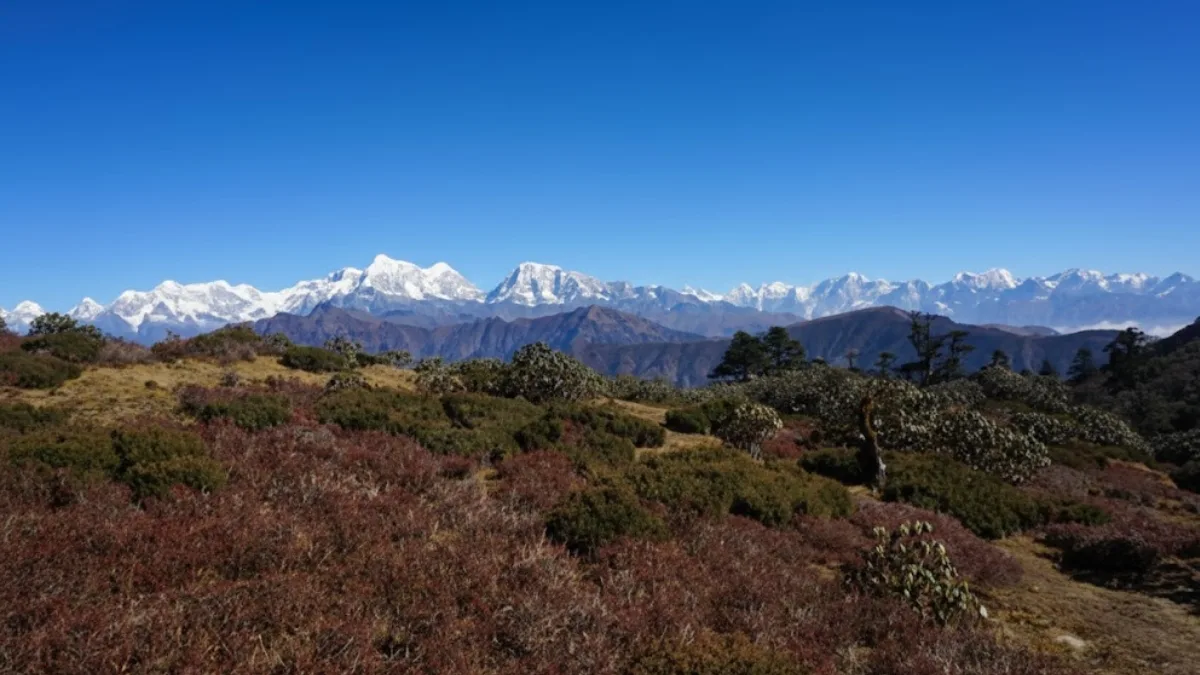
Weather in the Himalayas can really change how hard a trek feels.
|
Season |
Day Temp |
Night Temp |
Visibility |
Difficulty Impact |
|
Oct–Nov |
12–18°C |
-2 to 5°C |
Excellent |
Moderate |
|
Mar–May |
10–20°C |
-1 to 8°C |
Good |
Moderate |
|
Dec–Feb |
5–10°C |
-10 to -15°C |
Clear |
Slightly higher because of cold |
|
Jun–Aug |
18–23°C |
8–12°C |
Poor |
High, slippery trails |
Basically, spring and autumn are the sweet spots. Trails are safer, temperatures are nicer, and it’s easier on your body. Picking the Best season for Pikey Peak trek really makes a difference in how tough the days feel.
5. Remote Himalayan Infrastructure
Even though Pikey Peak is easier to reach than Everest Base Camp, the trail’s remoteness adds its own kind of challenge.
- Accommodation: Mostly basic twin rooms with shared bathrooms, and hot showers are rare.
- Food: You’ll get plenty of dal bhat and simple Himalayan meals. Western options? Pretty limited.
- Medical: No hospitals nearby. If something serious happens, altitude-related emergencies might need a helicopter.
- Connectivity: Wi-Fi and mobile signals are patchy at best.
So yeah, trekking here isn’t just about muscles. You’ve got to be ready mentally too, it’s part of the adventure.
Elevation and Its Impact on Pikey Peak Trek Difficulty
The highest point on Pikey Peak is 4,065 meters. That puts it in the moderate-altitude range for Himalayan treks. It’s lower than Everest Base Camp (5,364 m) or the Everest Three Passes trek (5,500+ m), but the altitude still matters. Oxygen drops as you go up, at the summit, you’re at about 60–65% of sea-level oxygen, which can give unacclimatized trekkers mild altitude sickness symptoms.
The trek kicks off from Dhap village at 2,850 meters and climbs gradually through settlements like Jhapre, Pikey Base Camp, Loding, Junbesi, and Phaplu. That slow gain in elevation is exactly why it’s beginner- and family-friendly. Your body gets time to adjust.
Knowing the elevation profile also helps you plan pacing, hydration, and breaks so your legs and lungs don’t get overwhelmed. It’s a big part of why the Pikey Peak Trek Difficulty is moderate but manageable.
Tips for Handling Elevation:
- Take it slow, especially on summit day. Don’t rush.
- Drink plenty of water and eat balanced meals to keep your energy up.
- Watch for mild symptoms like headache, dizziness, or fatigue.
- A local guide can help set the right pace and give tips for proper acclimatization.
Basically, understanding the elevation helps you prepare both physically and mentally, which makes the trek a lot smoother and increases your chances of reaching the top.
Is Pikey Peak Suitable for Beginners and Families?
Yes, Pikey Peak is great for beginners and families, as long as everyone has basic fitness. The moderate altitude of 4,065 meters, daily walks of 5–7 hours, and non-technical trails make it one of the easier Everest region treks. Beginners can handle it without too much stress, and families get to soak in the local culture in villages like Junbesi, Phaplu, and Jhapre along the way. And honestly, the views of Everest and the surrounding peaks? Totally breathtaking.
That said, it’s still a moderate trek. First-timers and kids should be ready for simple teahouse stays, limited facilities, and weather that can change quickly, especially on exposed ridges. Going at a steady pace, keeping hydrated, wearing layers, and maybe having a local guide can make it way easier.
With some Trekking preparation and training, beginners and families can really enjoy the adventure, the landscapes, and the Sherpa culture without stressing too much about the altitude or the Pikey Peak altitude and terrain. And honestly, the Pikey Peak summit success rate is pretty good for those who pace themselves and go in the best season for Pikey Peak trek.
Who Should (and Shouldn’t) Do This Trek?
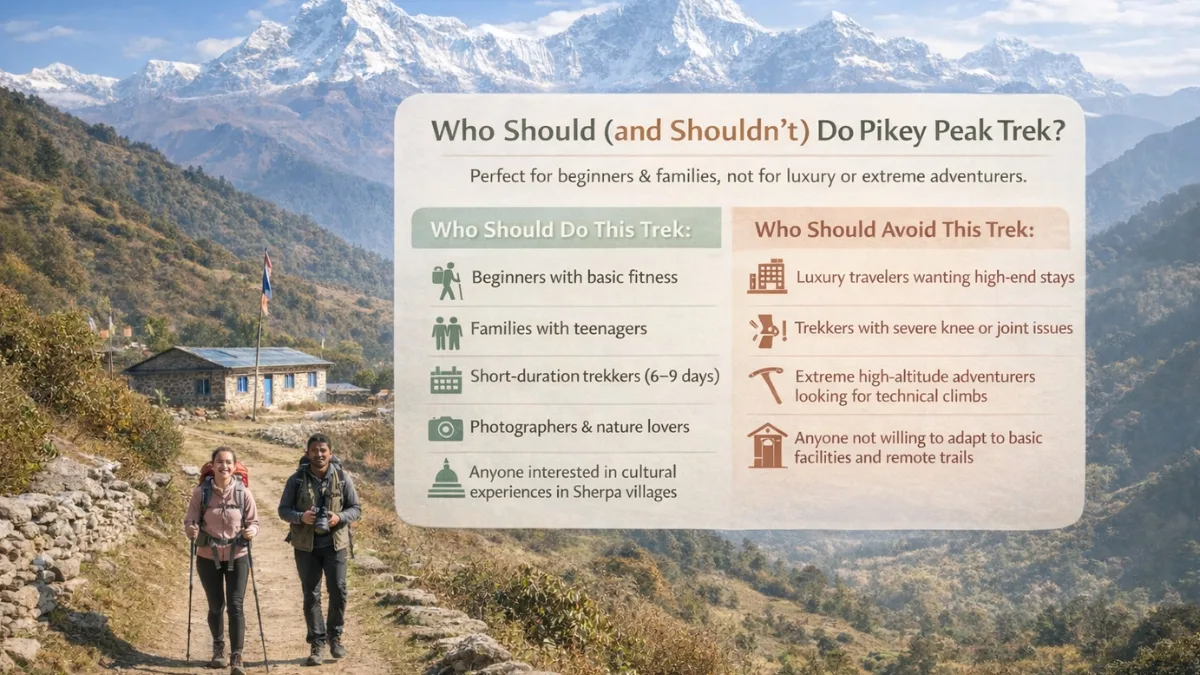
The Pikey Peak Trek Difficulty makes it a good fit for anyone looking for a moderate Himalayan adventure, nothing extreme, no technical climbs. It’s perfect for beginners, families, or those wanting a shorter trek.
That said, it’s not great for people chasing luxury, extreme high-altitude challenges, or anyone with serious knee or joint issues. You also need to be okay with basic teahouse stays and a bit of rustic life.
Who Should Do This Trek:
- Beginners with basic fitness
- Families with teenagers
- Short-duration trekkers (6–9 days)
- Photographers and nature lovers
- Anyone interested in cultural experiences in Sherpa villages
If you are interested in capturing the beauty of nature, learn some photography tips for trekking in Nepal.
Who Should Avoid This Trek:
- Luxury travelers wanting high-end accommodations
- Trekkers with severe knee or joint problems
- Extreme high-altitude adventurers looking for technical climbs
- Anyone not willing to adapt to basic facilities and remote trails
Training & Physical Preparation for Pikey Peak Trek
Honestly, doing a bit of prep makes the Pikey Peak Trek Difficulty way more manageable, especially if you’re new to trekking or going with family. Just getting your cardio up, strengthening your legs, and mentally bracing yourself can make those 5–7 hour walking days and uneven trails feel a lot easier.
Key Preparation Tips:
- Cardio Training: Take walks, cycle, or swim a few weeks before the trek. Even 3–4 weeks of consistent activity can boost your stamina a lot.
- Leg Strength: Squats, lunges, or stair climbing, maybe with a small backpack, really help your legs handle the uphill sections.
- Mental Prep: Get used to simple teahouse stays, limited Wi-Fi, and basic meals. It’s not glamorous, but knowing what to expect makes the trek way less stressful.
Focusing on these things during Trekking preparation and training helps you enjoy the trek more. You’ll notice the scenery, the culture, and the whole experience instead of just thinking about how tired your legs are.
Expert Tips to Reduce Pikey Peak Trek Difficulty
Even if you’ve done all the prep, a few smart strategies can make the Pikey Peak trek feel a lot easier and way more enjoyable. Things like pacing yourself, staying hydrated, having the right gear, and maybe getting a local guide really help cut down fatigue and risk.
Ways to Reduce Trek Difficulty:
- Hydration: Try to drink 3–4 liters of water a day. It keeps you going and helps with altitude-related issues.
- Pacing: Go with the “Bistari, Bistari” (slowly, slowly) approach. Especially on steep parts and summit day, taking it slow makes a big difference.
- Packing: Layered clothing, trekking poles, and a down jacket for early mornings or summit climbs are lifesavers.
- Hiring a Guide: A local guide makes navigation easier, keeps you safe, and even shares cultural tips. It’s super helpful for beginners.
Following these tips can really reduce the physical strain, help your body adjust to the altitude, and just make the whole Pikey Peak trek experience more fun.
Comparing Pikey Peak Trek Difficulty with Other Everest Region Treks
If you’re trying to figure out how tough Pikey Peak Trek Difficulty really is, think of it like this: you get those jaw-dropping Himalayan views and a real taste of local culture, but without the crazy altitudes or super steep climbs of Everest Base Camp or the Everest Three Passes trek. It’s kind of that “just right” trek, not too easy, not overwhelming. That’s why beginners, families, or anyone wanting a shorter adventure tend to love it.
Comparison of Popular Everest Region Treks:
|
Trek |
Maximum Altitude |
Difficulty Level |
Typical Duration |
|
Pikey Peak Nepal Trek |
4,065 m |
Moderate |
6–9 days |
|
Everest Base Camp (EBC) |
5,364 m |
Moderate to Challenging |
12–14 days |
|
Everest Three Passes Trek |
5,500+ m |
Challenging |
18–21 days |
|
5,357 m |
Moderate to Challenging |
12–14 days |
Key Takeaways:
- Pikey Peak has shorter walking days and a lower max altitude than EBC, Three Passes, or Gokyo Lakes, so it’s easier on your legs and lungs.
- It’s perfect if you want a mix of culture, scenery, and adventure without pushing yourself to the extreme.
- But if you’re the type who thrives on high-altitude challenges or technical climbs, EBC or Three Passes might be more your style.
Honestly, Pikey Peak just hits that sweet spot, enough effort to feel like a proper trek, breathtaking views everywhere you look, and plenty of Sherpa culture along the way. It’s one of the most beginner-friendly Everest region treks for a reason.
Final Thoughts, Is It Worth It?
The Pikey Peak Trek Difficulty makes this trek one of the most rewarding moderate adventures in the Everest region. At 4,065 meters, with gentle trails and non-technical terrain, it’s really suitable for beginners, families, or anyone wanting a shorter but scenic Himalayan trek.
Along the way, you’ll get amazing panoramic views of Everest and the neighboring peaks, experience Sherpa culture up close, and walk through rhododendron forests that are just gorgeous. It’s challenging enough to feel like an adventure but not so tough that it overwhelms you like some of the higher-altitude treks.
Booking with Nepal Gateway Trekking is a smart move. They provide guidance, support, and keep you safe. With some Trekking preparation and training and a bit of a sense of adventure, the Pikey Peak Nepal trek can give you unforgettable memories, stunning landscapes, and a truly satisfying Himalayan experience.
Frequently Asked Questions
How difficult is the Pikey Peak trek for beginners?
The Pikey Peak trek is considered moderate, so it’s doable for beginners with basic fitness. You’ll be walking 5–7 hours a day on non-technical trails with gradual ascents and well-marked paths. Take it slow, drink plenty of water, and rest when needed, and first-time trekkers usually find it very manageable.
Is Pikey Peak trek harder than Everest region treks like Base Camp or Three Passes?
Not at all. Pikey Peak is less demanding than treks like Everest Base Camp or the Everest Three Passes trek. The max altitude is 4,065 meters, daily walks are moderate, and there’s no technical climbing. That makes it much more beginner- and family-friendly.
Will I experience altitude sickness on Pikey Peak Trek?
The risk is lower than on higher-altitude treks, but it can still happen above 3,000 meters. Going slowly, staying hydrated, and taking breaks help a lot. Most people only get mild symptoms, if any, and spending acclimatization days is a smart move.
What is the best season for clear views of Pikey Peak Trek?
The Best season for Pikey Peak trek is autumn (October–November) and spring (March–May). You get clear skies, moderate temperatures, and stunning views of Everest and surrounding peaks. Winter is cold but usually clear, while the monsoon season can make trails slippery and visibility low.
Can families with children attempt this trek?
Yes! Families with teenagers or kids above 10 can do it comfortably. Daily distances are moderate, ascents are gradual, and teahouses are safe. Kids just need extra breaks and a little monitoring for mild altitude effects.
Are teahouses comfortable along the Pikey Peak route?
Teahouses are basic but clean and functional. You get warm meals, shared bathrooms, and simple sleeping arrangements. Not luxury, but totally fine for beginners, families, and moderate trekkers.
How long is the drive from Kathmandu to Dhap?
It usually takes 8–9 hours on a bumpy road. Many trekkers find this drive a big part of the effort, so pack light, take breaks, and be ready for a long but scenic ride.
How can I prepare physically for Pikey Peak trek?
Focus on cardio like walking, cycling, or swimming for 3–4 weeks before the trek. Strengthen your legs with squats, lunges, and stair climbing, ideally with a small backpack. And get mentally ready for basic Himalayan facilities. Building endurance and leg strength makes the whole Pikey Peak Nepal trek smoother and safer.