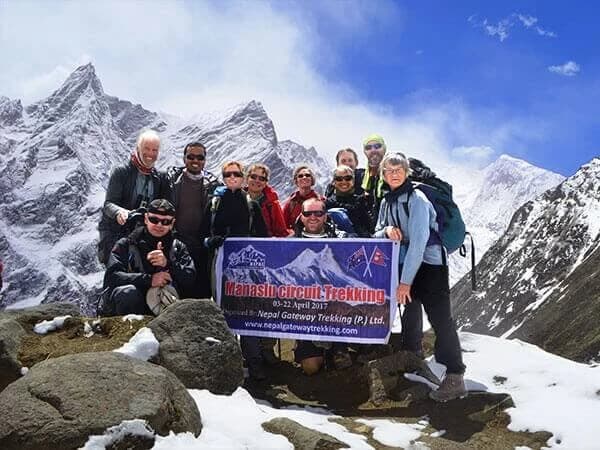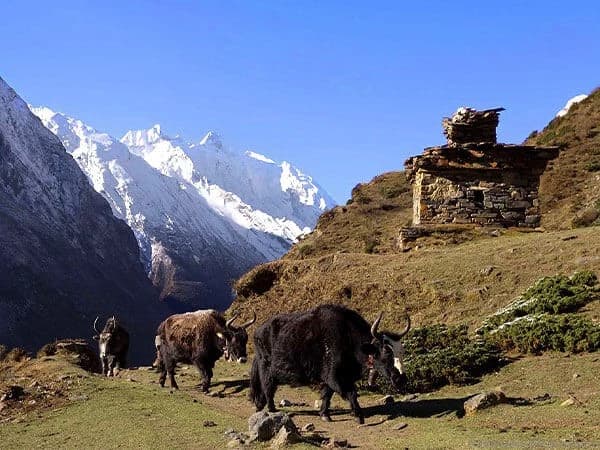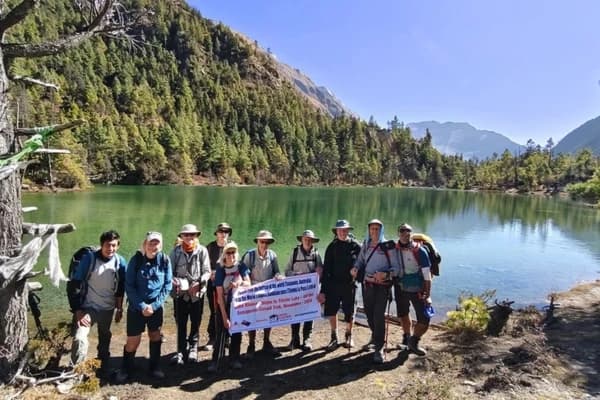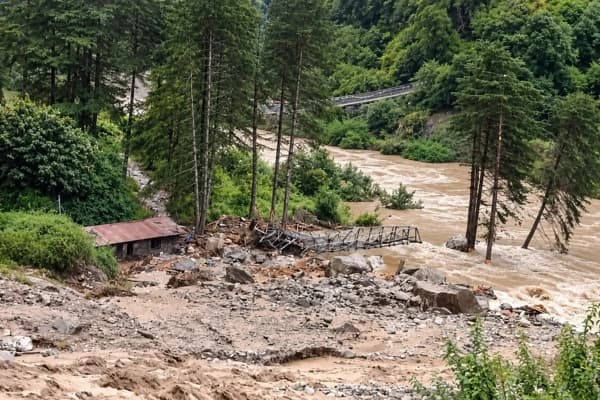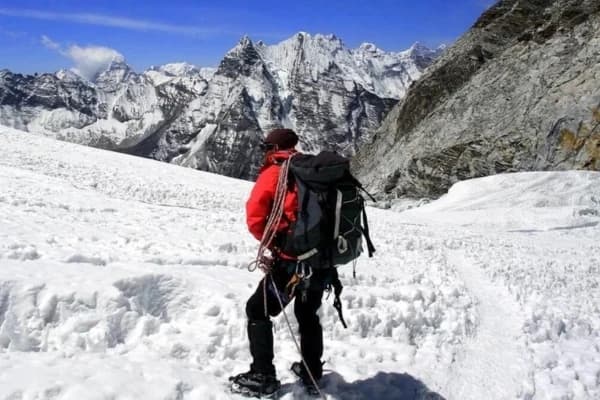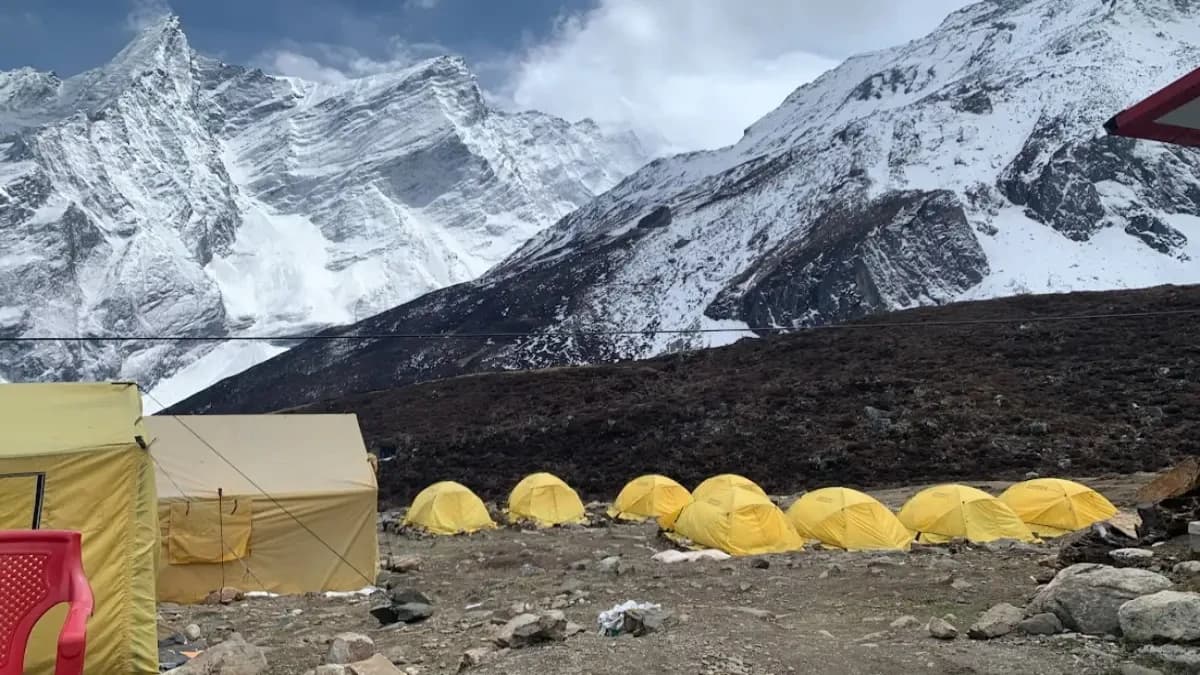
The Annapurna and Manaslu Circuits are two of Nepal’s best-known trekking routes for good reason. You get huge mountain views, traditional villages, suspension bridges, high passes, and long stretches where it really feels like you’re deep in the Himalayas. But once you’re on the trail, the experience is about more than the scenery.
A trek can become difficult for reasons that seem small at first. You might gain altitude too quickly, ignore a headache because you think it will pass, keep walking when the weather starts turning, or feel pressured to follow the itinerary even when your body needs a break.
Altitude is one of the biggest concerns on both routes. In the wider Annapurna trekking region, the Annapurna Conservation Area Project (ACAP) reported 25 deaths linked to altitude sickness during Nepal’s 2025/26 fiscal year. The figure covers several areas within the Annapurna region, including Mustang, Manang, Annapurna Base Camp, and Mardi Himal, so it should not be interpreted as deaths on the Annapurna Circuit alone. Even so, it highlights how seriously altitude illness needs to be taken in the region.
And altitude is only part of the picture. Weather can change quickly at higher elevations, while steep and uneven trails, landslides, snow, river crossings, fatigue, and remote sections can create their own challenges. The Manaslu Circuit is particularly remote in places, with fewer services as you move higher into the mountains. Nepal Tourism Board also advises trekkers to stay informed about mountain safety and recognize the early signs of altitude sickness on routes above 2,500 m.
The good news is that you can prepare for many of these problems. You can't control the weather or make the mountain lower, but you can control how quickly you gain altitude, how you pace yourself, what you carry, and whether you speak up when something doesn't feel right. Gradual acclimatization is one of the most important ways to reduce the risk of altitude illness.
In this guide, we'll look at the hidden dangers of the Annapurna and Manaslu Circuits, where you are most likely to encounter them, and what you can do to make safer decisions before and during the trek.
Quick Answer
The Annapurna and Manaslu Circuits are challenging but generally manageable with proper preparation. Key risks include altitude sickness, high passes, changing weather, landslides, rough trails, river crossings, exhaustion, dehydration, and limited medical access. Annapurna has more developed services, while Manaslu is more remote. Acclimatize gradually, check weather and trail conditions, use a licensed guide, carry essential gear and insurance, and never ignore worsening altitude symptoms. If serious symptoms occur, stop ascending and descend immediately.
What Are the Safety Risks on Annapurna and Manaslu Circuits?
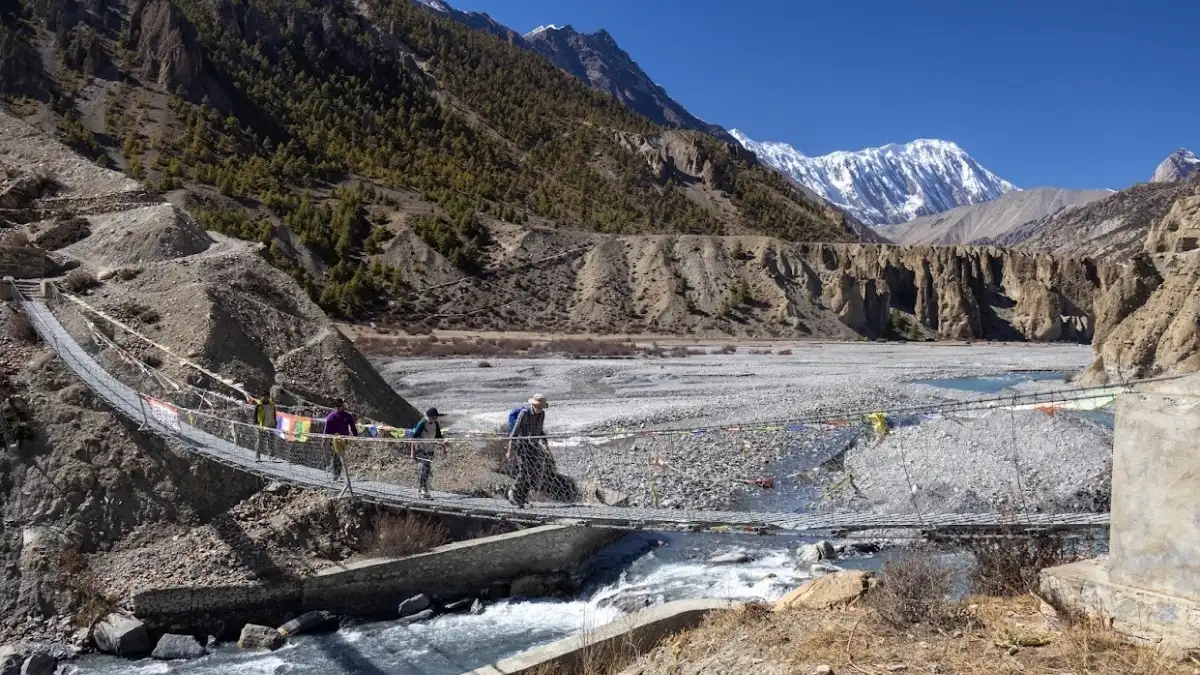
The Annapurna and Manaslu Circuits are tough but rewarding treks. You'll spend long hours walking, cross passes above 5,000 m, deal with changing mountain weather, and, in some sections, be several hours away from proper medical care.
That doesn't mean you should be afraid of these routes. Most problems can be managed with good preparation and sensible decisions. The important thing is knowing what to look out for before a small problem becomes a serious one.
Here are the main risks to keep in mind:
- Altitude sickness: Headaches, nausea, dizziness, tiredness, and loss of appetite can be early signs of altitude sickness. If symptoms are getting worse, don't keep going higher just because your itinerary says you should. Nepal Tourism Board advises trekkers with worsening symptoms to descend.
- High mountain passes: Thorong La on the Annapurna Circuit reaches 5,416 m, while Larkya La on the Manaslu Circuit is about 5,160 m. At these heights, the air is much thinner, and cold, wind, snow, and a long crossing day can make things much harder than they appear from below.
- Changing weather: Mountain weather can turn quickly, especially at higher elevations. Clear conditions when you leave your teahouse don't necessarily mean the same conditions will be waiting for you later in the day. Snow, fog, strong winds, and cold temperatures can make a pass crossing much more difficult.
- Landslides and rockfall: Both routes pass through steep mountain terrain. Heavy rain, snow, and unstable slopes can damage trails or trigger rockfall. Conditions can change after a period of bad weather, so it's worth checking with your guide before heading into a difficult section.
- Rough and slippery trails: Loose rocks, mud, ice, snow, and steep sections are part of the terrain. After several hours of walking, tired legs can make even a short or simple section harder to handle.
- River crossings: Water levels can rise after heavy rain or snowmelt. A crossing that looked harmless earlier may become much stronger later, so check the conditions and follow your guide's advice rather than taking unnecessary chances.
- Remote sections: Manaslu has several sections where settlements and services are limited. Nepal Tourism Board describes the Manaslu area as a remote trekking region, and access to outside help can be difficult in some locations.
- Exhaustion and dehydration: Long walking days, cold weather, dry mountain air, and altitude can leave you more tired than expected. Drink regularly, eat enough, take breaks, and don't feel pressured to match another trekker's pace.
- Rushing acclimatization: Your body needs time to adjust to higher elevations. CDC guidance recommends avoiding a sudden jump to a sleeping altitude above about 2,750 m and, once above that elevation, increasing sleeping altitude by no more than about 500 m per day. An additional acclimatization day is recommended for every further 1,000 m of sleeping-altitude gain.
- Ignoring warning signs: Don't try to walk off symptoms that are getting worse. Confusion, loss of coordination, severe fatigue, or shortness of breath while resting can indicate serious altitude illness and require urgent descent.
The two circuits aren't identical, either. Annapurna generally has more developed trekking services, while Manaslu has more remote sections as you move deeper into the route. Both are established trekking routes, but the level of support can vary considerably from one section to another.
The good news is that you don't need to be an expert mountaineer to handle these risks. Give yourself enough time to acclimatize, check conditions before difficult sections, walk at a pace you can maintain, and speak up early if something doesn't feel right.
Expert Tip
Don't let the itinerary make decisions for you. If you're feeling unwell or the weather is turning bad, tell your guide before the situation gets worse. Delaying a pass crossing or changing the day's plan may be frustrating, but it is a much better option than forcing your way through unsafe conditions.
Annapurna vs. Manaslu: How Do the Safety Risks Differ?
The two circuits have plenty in common: high altitude, long walking days, changing weather, and challenging mountain terrain. But they don't feel the same when it comes to safety.
|
Safety factor |
Annapurna Circuit |
Manaslu Circuit |
|
Highest pass |
Thorong La – 5,416 m |
Larkya La – 5,160 m |
|
Remoteness |
More developed in many sections |
More remote in several sections |
|
Medical access |
Better access in some larger settlements |
More limited in remote sections |
|
Main concerns |
Altitude, pass weather, rough terrain, road sections |
Altitude, remoteness, pass weather, limited services |
|
Guide requirement |
Licensed guide required |
Licensed guide required |
|
Special permit |
No restricted-area permit for the standard circuit |
Restricted-area permit required |
Neither route is automatically “safer.” The bigger question is whether the itinerary, guide support, acclimatization, and current trail conditions match your experience and preparation.
8 Major Dangers on the Annapurna and Manaslu Circuits
There’s more to staying safe on these two treks than simply watching your altitude. Some problems are obvious, like a difficult pass or bad weather. Others are easy to shrug off at first, especially when you're tired and just want to reach the next teahouse.
Here are the main things that can make the Annapurna or Manaslu Circuit harder than expected.
1. Altitude Sickness: AMS, HACE, and HAPE
Altitude is probably the first thing you should take seriously on either circuit. Both routes take you above 5,000 m, and your body needs time to adjust to the thinner air.
At first, altitude sickness can feel like you're simply having a bad day. You might have a headache, feel unusually tired, lose your appetite, feel dizzy, or struggle to sleep. If those altitude sickness symptoms are getting worse, though, don't assume you just need to push a little harder.
More serious altitude problems, such as HACE and HAPE, can become life-threatening. Confusion, trouble walking, severe weakness, or being short of breath while resting are signs that you need help and should descend.
On Annapurna, the risk becomes especially important as you get closer to Thorong La. On Manaslu, you're already at significant elevation by the time you reach Samagaun, Samdo, and Dharamsala.
The simplest rule is also the most important: if you're getting worse, don't keep going higher.
2. Thorong La: Where Altitude and Weather Come Together
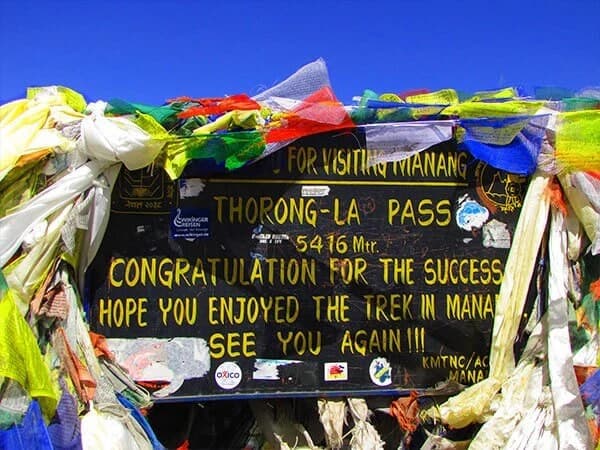
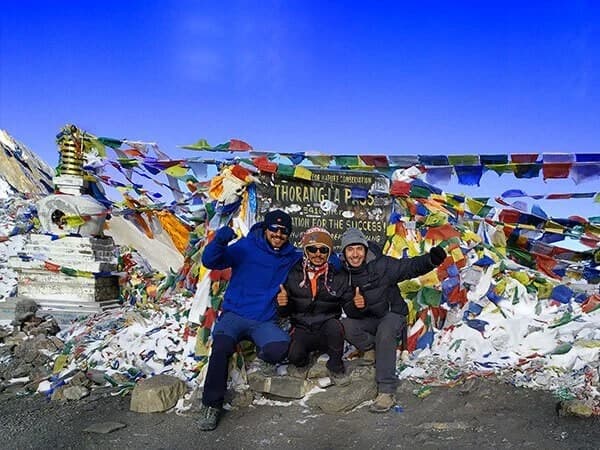
Thorong La reaches 5,416 m, making it the highest point on the Annapurna Circuit.
And honestly, the number on the elevation sign isn't the only thing that makes the crossing tough.
By the time you reach the pass, you're dealing with thin air, a long climb, cold temperatures, and potentially strong winds or snow. If visibility drops, the whole experience can become much more difficult.
That's why trekkers normally leave early for the crossing. You want enough time to get over the pass and down before conditions become more difficult later in the day.
But don't let an early start fool you into thinking you have to cross no matter what. If the weather turns ugly or you're struggling with altitude, turning around can be the smartest decision of the day.
3. Larkya La: The Manaslu Pass Challenge
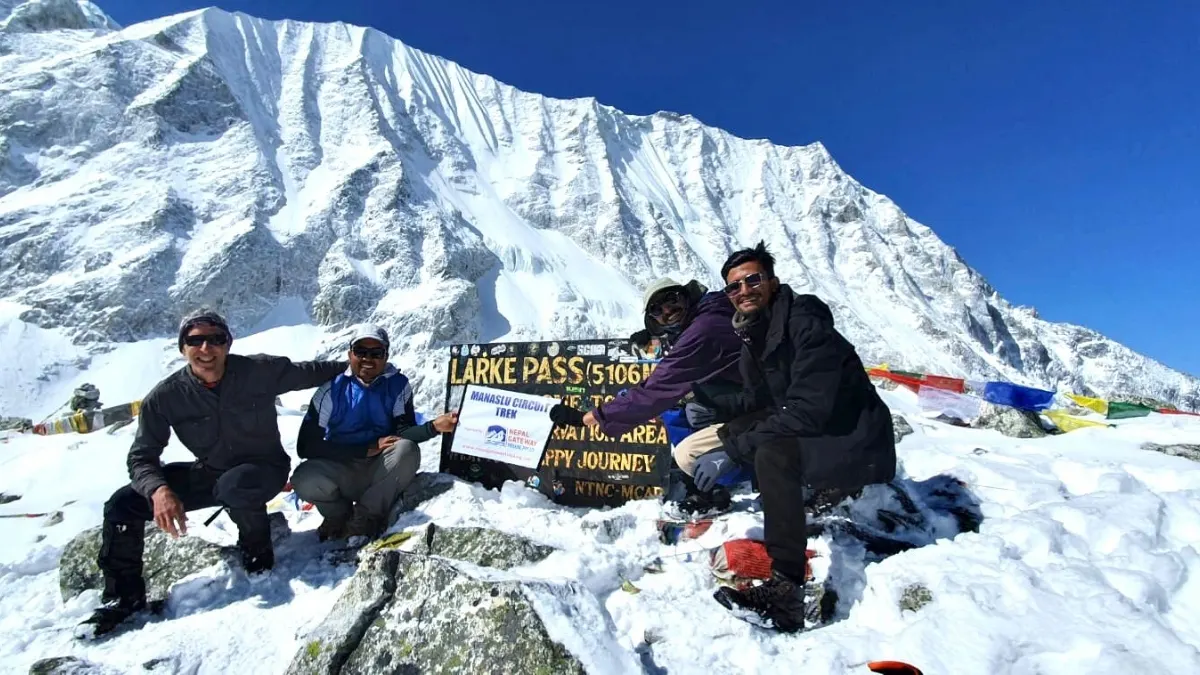
Larkya La is slightly lower than Thorong La, at around 5,160 m, but that doesn't make it an easy alternative.
The challenge starts before you even reach the pass. You've already spent several days gaining altitude, and then you have a long crossing day ahead of you from the Dharamsala area to Bimthang.
Fresh snow can slow you down. Fog can make visibility poor. And after hours of climbing, the long descent can be just as tiring as the way up.
So don't look at Larkya La and think, “It's lower than Thorong La, so it must be easier.” The two passes are difficult in different ways.
4. Landslides, Rockfall, and Damaged Trails
The Himalayas aren't a place where the trail stays exactly the same all year.
Heavy rain, snowfall, landslides, and rockfall can change sections of the route. A trail that was perfectly fine for one group may be slower, damaged, or more difficult for the group arriving later.
This is particularly worth remembering in steep sections of the Marsyangdi Valley on Annapurna and around the Budhi Gandaki gorge on Manaslu.
Before heading into a difficult stretch, ask your guide what's happening ahead. A few minutes of local information can be much more useful than relying on a trekking blog written months earlier.
5. Road and Vehicle Traffic on Annapurna
One thing that sometimes surprises first-time Annapurna trekkers is how much road travel is now part of the circuit.
Some sections are shared with jeeps, buses, motorcycles, and other vehicles. Mountain roads can be narrow and rough, and some run along exposed slopes.
So when you're walking on or beside a road, don't switch off just because you're technically “on a trek.” Keep an eye on approaching vehicles and follow your guide's instructions.
If your itinerary includes driving certain sections, it's also worth asking your trekking company exactly where and what type of transport will be used.
6. Weather Can Change Faster Than You Expect
Mountain weather has a habit of ruining carefully planned trekking days.
You can leave your teahouse under clear skies and, a few hours later, find yourself walking through fog, snow, or strong winds. This matters most when you're already high up and committed to a pass crossing.
Check the forecast before heading out, but don't depend on an app alone. Your guide may have information from people on the other side of the pass or from trekkers who have just come through.
And if the weather starts looking wrong, don't wait until you're in the middle of it to reconsider the plan.
7. Manaslu's Remote Sections
This is where Manaslu feels noticeably different from Annapurna.
As you get deeper into the Manaslu Circuit, villages become more spread out and services become harder to access. Mobile coverage can also be unreliable in some areas.
That matters when something goes wrong. A minor problem that would be easy to deal with near a larger settlement can become much more complicated when you're several hours from outside help.
Manaslu is a restricted-area trekking route, so trekkers need the required restricted-area permit and must follow Nepal's current guide and TIMS requirements. Nepal Tourism Board currently lists the Manaslu Circuit among routes where trekkers must be accompanied by a licensed trekking guide and carry a trekking-agency-issued TIMS card.
8. Food, Water, and Stomach Problems
Nobody puts “getting an upset stomach” at the top of their trekking worries, but it can cause real problems at altitude.
A bad case of diarrhea or vomiting can leave you dehydrated, weak, and struggling to keep up. That's not a great combination when you already have a long day of walking ahead.
You don't need to become paranoid about food. Just stick to some basic habits:
- Drink treated or properly purified water.
- Clean your hands before eating.
- Be cautious if food doesn't look fresh or properly handled.
- Keep eating even when your appetite drops.
- Tell your guide if you're becoming sick.
The main idea is simple: don't let a small problem become a big one because you're too determined to keep walking.
If you are thinking to explore both but with safety and guidance, Nepal Gateway Trekking can help you with your these unforgettable himalayan jorney. We are trusted by many foreigners for the peak trekking experience in Nepal.
Hidden Trekking Risks That Are Easy to Overlook
Not every problem on the Annapurna or Manaslu Circuit comes from the mountains. Sometimes, the way a trek is planned can create problems too.
A few things are easy to overlook:
- A tight itinerary: If your schedule is packed, you may feel pressured to cross Thorong La or Larkya La even when the weather is bad or you're not feeling well. Leave some room in your plan so you can slow down if needed.
- Old trail information: Mountain conditions can change after rain, snow, landslides, or trail damage. Don't rely only on an old blog or map. Ask your guide about what's happening ahead.
- A guide who won't speak up: A good guide should be comfortable saying, “Let's stop here,” when the conditions aren't right. This matters even more when you're heading toward a high pass.
- A flight booked too soon: If your flight home is right after your planned trek finish, you may feel tempted to rush. Give yourself a buffer day or two so a delayed pass crossing doesn't turn into a travel headache.
- No clear backup plan: Before booking, ask what happens if the weather closes a pass, someone gets sick, or an evacuation is needed. You want clear answers, not a vague “we'll figure it out.”
Expert Tip
Ask your trekking company about a real situation they've handled. For example, ask what they did the last time bad weather stopped a pass crossing. Their answer can tell you a lot more about their approach to safety than a promise that everything will go according to plan.
How to Trek Safely on Annapurna and Manaslu Circuits?
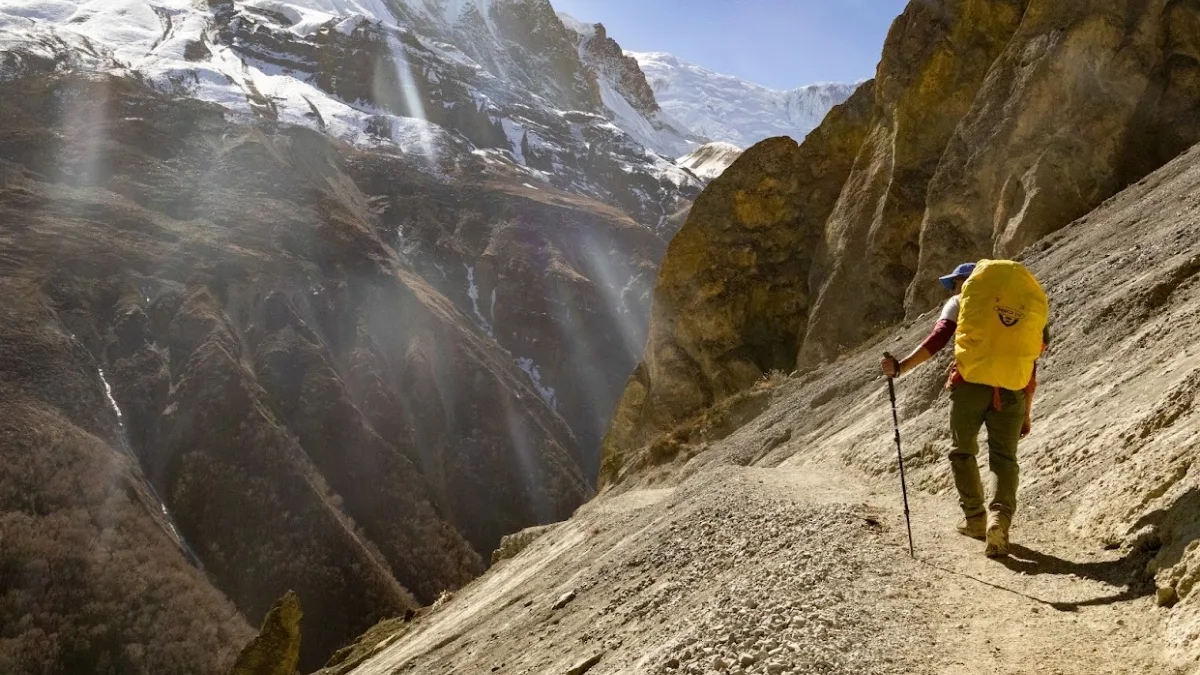
You can't control the weather, altitude, or trail conditions. But you can control how you prepare and how you react when things don't go as planned.
A few simple habits can make a big difference:
Acclimatize Properly
Don't rush higher just because your itinerary says it's time to move.
Once you are above about 2,750 m, avoid increasing your sleeping altitude by more than roughly 500 m per day. Build extra acclimatization time into the itinerary when needed, especially before spending nights at significantly higher elevations.
Get Your Body Ready
You don't need to be an athlete to do these treks. But you should be comfortable walking for several hours a day.
Start training a few months before your trip. Try:
- Uphill walking and hiking
- Stairs
- Long weekend walks
- Squats, lunges, and other leg exercises
- Walking with a backpack
The goal is simple: make long days on the trail feel manageable.
Check the Conditions Before a Pass
Before crossing Thorong La or Larkya La, ask your guide about the latest weather and trail conditions.
Starting early is common, but don't assume you have to cross just because it's on the itinerary. If the weather turns bad or you're struggling with altitude, it's okay to wait or change the plan.
Carry the Basics
You don't need to fill your backpack with every possible emergency item. Just make sure you have the essentials:
- First-aid supplies
- Personal medicines
- Headlamp and spare batteries
- Water purification method
- Extra warm layer
- Snacks
- Power bank
- Sunscreen and sunglasses
- Emergency bivy or similar emergency layer
- Satellite communicator for remote sections, if available
If you're considering acetazolamide (Diamox) for altitude-illness prevention, discuss it with a doctor before your trek. It can be useful in some situations, but it does not replace gradual acclimatization. If serious altitude symptoms develop, descent and urgent medical care remain the priority.
Know When to Stop
This may be the most important safety rule of all: don't keep climbing if you're getting worse.
Tell your guide if your symptoms are getting worse. Confusion, trouble walking, severe weakness, or breathlessness while resting can be signs of serious altitude illness and need urgent attention.
Eat, Drink, and Rest
Long days at altitude can drain you quickly.
Drink treated or purified water regularly, eat enough even when your appetite is low, and take proper breaks. If you develop persistent vomiting or diarrhea, tell your guide instead of trying to push through it.
Check Your Insurance
Don't assume your normal travel insurance covers a high-altitude trek.
Before leaving, check that your policy covers:
- High-altitude trekking
- Emergency medical treatment
- Helicopter evacuation
- Search and rescue
- Altitude-related illness
- The maximum altitude of your trek
Read the exclusions too. That's where important limitations are often hiding.
Sort Out Your Permits and Guide
Make sure your permits and guide arrangements are sorted before you start the trek.
Current Nepal Tourism Board rules require a licensed guide and TIMS for the relevant trekking routes. The Manaslu restricted area also requires a separate restricted-area permit arranged through an authorized trekking agency.
Expert Tip
If you're feeling unwell or the weather turns bad, slow down, rest, or change the plan. Reaching your destination a little later is always better than taking a risk just to stay on schedule.
Annapurna and Manaslu Circuit Safety Concerns to Raise Before You Book
Before you book an Annapurna or Manaslu trek, don't just ask about the price, hotels, and number of days. Ask what happens if the trek doesn't go according to plan.
A high pass can close because of snow. Someone in your group may struggle with altitude. A landslide can change the trail. Your guide should have a clear answer for these situations.
Here are the questions worth asking:
- What happens if Thorong La or Larkya La is unsafe to cross?
Ask whether the company can delay the crossing or change the itinerary if the weather or trail conditions are bad. You don't want a guide who feels forced to cross just because it is written on the schedule. - Does the itinerary give me enough time to acclimatize?
Look at the actual day-by-day plan, not just the total number of trekking days. Ask how the itinerary handles altitude around Manang on Annapurna and Samagaun on Manaslu. - How will we communicate if there is no phone signal?
Ask whether your guide carries a satellite phone, satellite communicator, or another reliable communication device. This matters more on remote sections of Manaslu, where mobile coverage can be limited. - What happens if I get seriously sick or injured?
Ask the company to walk you through its emergency plan. Who contacts the rescue service? How is a helicopter arranged? What happens if bad weather prevents the helicopter from flying? - What kind of training does the guide have?
Ask about first-aid training, high-altitude experience, and how the guide handles altitude sickness. You want someone who can recognize when a headache is more than just tiredness and knows when the group should stop or descend. - What happens if I can't finish the trek?
Sometimes a trekker doesn't need a helicopter. They may simply need to descend, rest, or leave the route early. Ask who arranges the transport, accommodation, or other support if that happens. - Are all the permits and guide arrangements properly handled?
This is especially important for Manaslu. Nepal Tourism Board currently lists both the Annapurna Circuit and Manaslu Circuit among routes where trekkers must have a licensed guide and TIMS card. Manaslu also falls under Nepal's restricted-area trekking permit system, which is handled through an authorized trekking agency.
You don't need a company to promise that nothing will go wrong. That's impossible in the Himalayas.
What you want is a company that can tell you what they will do when something does go wrong.
Expert Tip
Ask about a real situation instead of asking, “Is my trek safe?”
Try this:
“What did your team do the last time bad weather stopped a pass crossing?”
The answer can tell you a lot. An experienced company should be able to explain what happened, what decision the guide made, and how the trekkers were looked after. That's much more useful than a simple promise that you'll have a “safe and unforgettable adventure.”
Final Thoughts
The Annapurna and Manaslu Circuits are challenging treks, but the risks shouldn't stop you from experiencing them.
Altitude, changing weather, rough trails, high passes, and remote sections are all part of the journey. The key is knowing what you're getting into and making sensible decisions along the way.
Take time to acclimatize, keep an eye on the weather, stay hydrated, and don't ignore symptoms just because you want to stay on schedule. If conditions become unsafe, be willing to slow down or change your plans.
Most importantly, choose a trekking company and guide who put your safety ahead of the itinerary.
The goal isn't to finish the trek as quickly as possible. It's to come home with great memories of the Himalayas rather than an avoidable emergency.
Ready to plan your Annapurna or Manaslu adventure? Nepal Gateway Trekking can help you choose a suitable itinerary, arrange the required permits and guides, and plan your trek with safety in mind. Contact us today!
Frequently Asked Questions
Is the Annapurna Circuit dangerous for beginners?
The Annapurna Circuit can be suitable for well-prepared beginners, but it is not a casual walk. The biggest challenges are the altitude, long walking days, changing weather, and the Thorong La crossing at 5,416 m.
A sensible itinerary, proper acclimatization, an experienced guide, and enough time to adjust can make the trek much more manageable for someone new to high-altitude trekking.
What risks on the Manaslu Circuit are different from Annapurna?
The biggest difference is remoteness. The Manaslu Circuit has more sections where settlements and services are limited, and access to outside help can be more difficult. Communication can also be unreliable in some areas. Annapurna generally has more developed services along many sections of the route, although conditions and access vary by location.
How dangerous is Thorong La Pass?
Thorong La reaches 5,416 m, so altitude, cold, strong winds, snow, and changing visibility can make the crossing challenging.
The safest approach is to acclimatize properly, start at an appropriate time, check the conditions before crossing, and be willing to delay or turn back if the weather or your health makes the crossing unsafe.
Can you die from altitude sickness on these circuits?
Yes. HACE and HAPE are potentially life-threatening forms of altitude illness and can affect experienced, fit trekkers as well as beginners. Recognizing symptoms early, stopping further ascent, and beginning descent promptly are critical when serious altitude illness is suspected.
Is the Manaslu Circuit safe without a guide in 2026?
Independent trekking is not permitted under the current guide, TIMS, and restricted-area requirements. Manaslu is also more remote than many popular trekking routes, with fewer services and more limited access to outside help in some sections. For both regulatory and practical safety reasons, trekkers should arrange the required guide, permits, and agency support before starting the trek.
What is the safest time to trek Annapurna and Manaslu?
Spring and autumn are generally the most popular and favorable seasons for both circuits because weather and trail conditions are usually more suitable.
However, no month completely removes the risks of high-altitude trekking. Conditions around Thorong La and Larkya La can still change quickly, so check the latest weather and trail conditions before a major crossing.
What should I do if my companion shows signs of HACE or HAPE?
Treat it as a medical emergency. Stop ascending, alert your guide, arrange urgent medical assistance, and descend to a lower elevation as quickly and safely as conditions allow. Do not leave someone with serious altitude illness alone while waiting for help.
Confusion, loss of coordination, or severe drowsiness can be signs of HACE. Breathlessness at rest, weakness, and a worsening cough can indicate HAPE. Both conditions require urgent attention, and a person with serious altitude illness should be moved to a lower elevation.
If a doctor has previously advised you to carry medication for altitude emergencies, use it according to that medical guidance. Medication should not replace descent or emergency medical care.