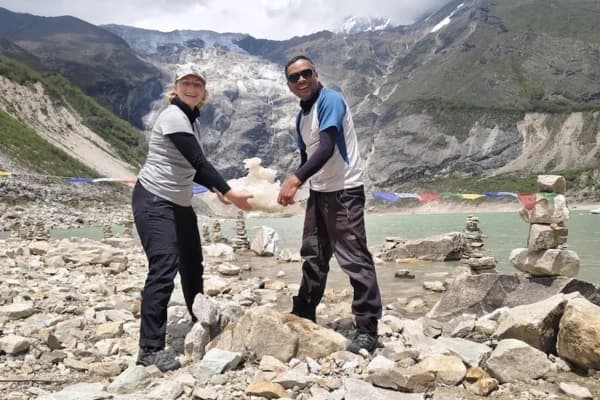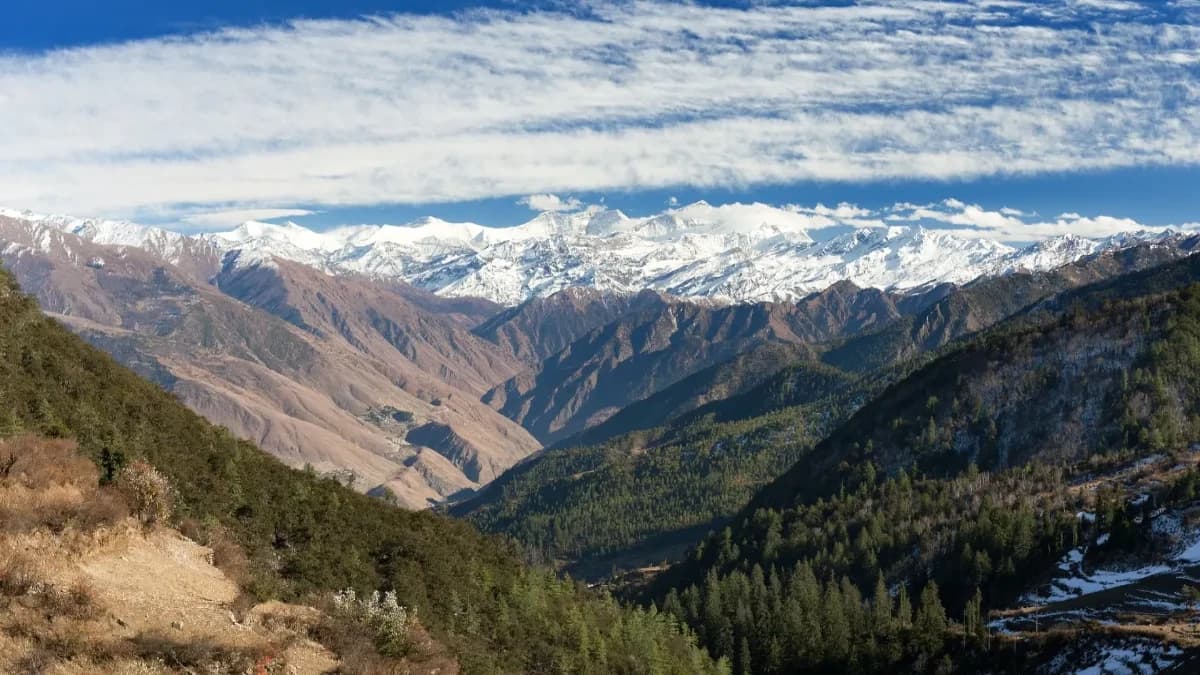
The Lower Dolpo trek is rated strenuous, one of the hardest treks in Nepal, involving two passes above 5,000m, 15 to 20 days of remote walking, and very little infrastructure to fall back on if something goes wrong. It's not a trek for complete beginners, and even experienced trekkers who've done Everest Base Camp or the Annapurna Circuit find it genuinely demanding.
If you're reading this, you've probably already looked at a few photos of Phoksundo Lake or the barren Dolpo hills and thought, okay, I need to do this. And then somewhere along the way you typed "Lower Dolpo Trek Difficulty" into Google because something told you this isn't the same as walking to Poon Hill for sunrise.
You're right, it isn't. Lower Dolpo doesn't have a teahouse every two hours, there's no WiFi to check in with your family, and there's no crowd walking ahead of you to follow if you lose the path.
But here's the thing: hard doesn't mean impossible. It means you need to actually understand what you're walking into before you commit. That's what this guide is for, no sugarcoating, no scary exaggeration either, just an honest look at the altitude, the terrain, and the fitness you'll need so you can decide for yourself if you're ready.
Quick Answer: Lower Dolpo Trek Difficulty at a Glance
- Difficulty: Strenuous
- Duration: 15 to 20 days, depending on your route and operator
- Distance: Roughly 150 to 200 km
- Highest point: Numa La Pass, listed between 5,190 m and 5,310 m depending on the operator (more on this below)
- Accommodation: Mix of camping and a few basic teahouses along the way
- Best seasons: Spring (March to May) and Autumn (September to November)
Note: Because parts of Lower Dolpo fall into the Himalayan rain shadow, trekking in Summer/Monsoon (June–August) is also possible, though flights into Juphal are more prone to weather delays.
What Actually Makes the Lower Dolpo Trek Difficult?
The Lower Dolpo trek is hard because several difficult factors combine at once: two passes over 5,000 m, several days spent above 3,500 m, almost no facilities past the first few days, unpredictable mountain weather, and long 6 to 8 hour trekking days on rough trails.
Honestly, it's not one single thing. It's a handful of factors stacking on top of each other, and that combination is what wears people down.
- Two major passes over 5,000 m, back-to-back
- Several consecutive days spent above 3,500m
- Almost nothing in the way of facilities once you're past the first few days
- Long trekking days, usually 6 to 8 hours, on trails that aren't always smooth
- Limited emergency access if weather or altitude sickness becomes a problem
None of these on their own would be unmanageable. Put them together over two to three weeks, and it adds up fast.
Lower Dolpo Trek Distance and Duration
This trek covers roughly 150 to 200 km over 15 to 20 days, depending on your operator and route. The distance itself isn't the real challenge; it's what the terrain does to it.
- Total distance: 150 to 200 km
- Duration: 15 to 20 days
- Typical daily distance: 10 to 15 km
- On flat ground: 12 km takes roughly 2 to 3 hours
- At 4,500 m, on a rocky trail, with a daypack: that same 12 km can take 6 to 7 hours
Plan your days around time on the trail, not the number on the map; distance in Dolpo is genuinely deceptive that way. Don't be surprised if a "short" day on paper still eats up most of your daylight hours.
Lower Dolpo Trek Altitude and Difficulty
Altitude is the biggest factor in this trek's difficulty. You'll cross two passes above 5,000m, Numa La and Baga La, and spend several days trekking between 3,500m and 4,500m, where your body has to work noticeably harder for basic things.
A quick note on the numbers: you'll see different altitudes listed for these passes depending on which operator or map you check. Numa La is variously listed between about 5,190 m and 5,310 m, and Baga La between roughly 5,070 m and 5,175 m. That's not one site getting it wrong; it's different GPS readings and map sources over the years. Either way, both passes sit comfortably above 5,000m, and that's what matters for how your body will feel.
At over 5,000m, you're breathing meaningfully less oxygen than you would at sea level. That's not an exaggeration; it's just physics. Every uphill step feels heavier than it should, and even flat sections can leave you a bit out of breath if you're not acclimatized properly.
Headaches, tiredness, and shortness of breath are common and usually not a big deal on their own. What you want to watch for is anything more serious, like confusion, loss of coordination, or a cough that won't quit. HACE and HAPE are rare on this route if you acclimatize properly, but they're not impossible, so don't ignore your body if something feels off.
Is the Lower Dolpo Trek Good for Beginners?
Not really, and it's worth being upfront about that rather than burying it in a paragraph.
If this would be your first high-altitude trek, Lower Dolpo isn't the place to find out how your body handles thin air. There's no quick bail-out option here, no road access partway through, and limited teahouse infrastructure to fall back on if things go sideways. You're better off cutting your teeth on Langtang or the Annapurna Circuit first, then coming back to Dolpo once you know how your body responds above 4,000m. This isn't overly cautious advice; it is what experienced local guides across Nepal actively recommend.
That said, a "complete beginner" and a "first-timer with solid general fitness and one shorter high-altitude trek behind them" aren't the same thing. If you've done at least one trek above 4,000m and come through it fine, Lower Dolpo is a reasonable next step up, not a reckless one.
If you are thinking to start your trek, explore the five best treks for beginners that you can start with.
How to Acclimatize Properly on This Route?
Proper acclimatization means gaining altitude slowly, taking your rest days seriously, staying hydrated, and descending immediately if symptoms don't improve. It's genuinely what keeps you safe on this trek, not a box to tick. Rushing through the itinerary is the single biggest mistake trekkers make in Dolpo, and it's an easy one to make when you're feeling strong on day three and think you can skip the rest day.
A few things that actually help:
- Stick to the "climb high, sleep low" rule, gaining no more than 300 to 500 m in sleeping altitude per day once you're above 3,000 m
- Don't skip your rest days; they're not wasted time, they're doing real work for your body
- Drink at least 2 to 3 liters of water a day
- Talk to your doctor about Diamox before you go, in case it's right for you
- If symptoms show up, don't push through them; descend
Funny enough, the people who struggle most aren't usually the ones who feel weak early on. It's the ones who feel great on day two and decide the rules don't apply to them.
Wondering if your operator will actually hold the group back when needed? Visit Nepal Gateway Trekking to see how our guides handle acclimatization on the ground.
Lower Dolpo Trek Fitness Level and Training Preparation Required
This trek demands a high level of fitness: sustained cardio endurance, strong legs, and mental toughness, built up over three to four months of dedicated training.
What to train:
- Cardio: Daily hikes or runs (60 to 90 minutes) with an incline focus. Stair climbing works exceptionally well if you don't have hills nearby.
- Leg Strength & Stability: Squats, lunges, and weighted hikes with a loaded backpack. Don't skip descent training; downhill walking wrecks knees and causes the most fatigue.
- Mental Readiness: Cold mornings, sudden weather shifts, and basic sleeping conditions are part of the route. While you can't train for discomfort in a gym, knowing it's coming helps build the right mindset.
12-Week Preparation Timeline:
- 12 Weeks Out (Base Building): 3 to 4 cardio sessions a week, plus 2 strength sessions targeting your legs and core.
- 8 Weeks Out (Specific Endurance): Add weighted hikes with a daypack; start trekking on consecutive days to simulate back-to-back trail days.
- 4 Weeks Out (Tapering & Prep): Reduce training intensity, prioritize longer single hikes over multiple hard workouts, and ensure your trekking boots are thoroughly broken in.
Practical Challenges of the Lower Dolpo Trek
Beyond altitude and fitness, a handful of practical challenges catch people off guard: extreme remoteness, tough passes, unreliable flights, and basic accommodation.
Remote and Isolated Region
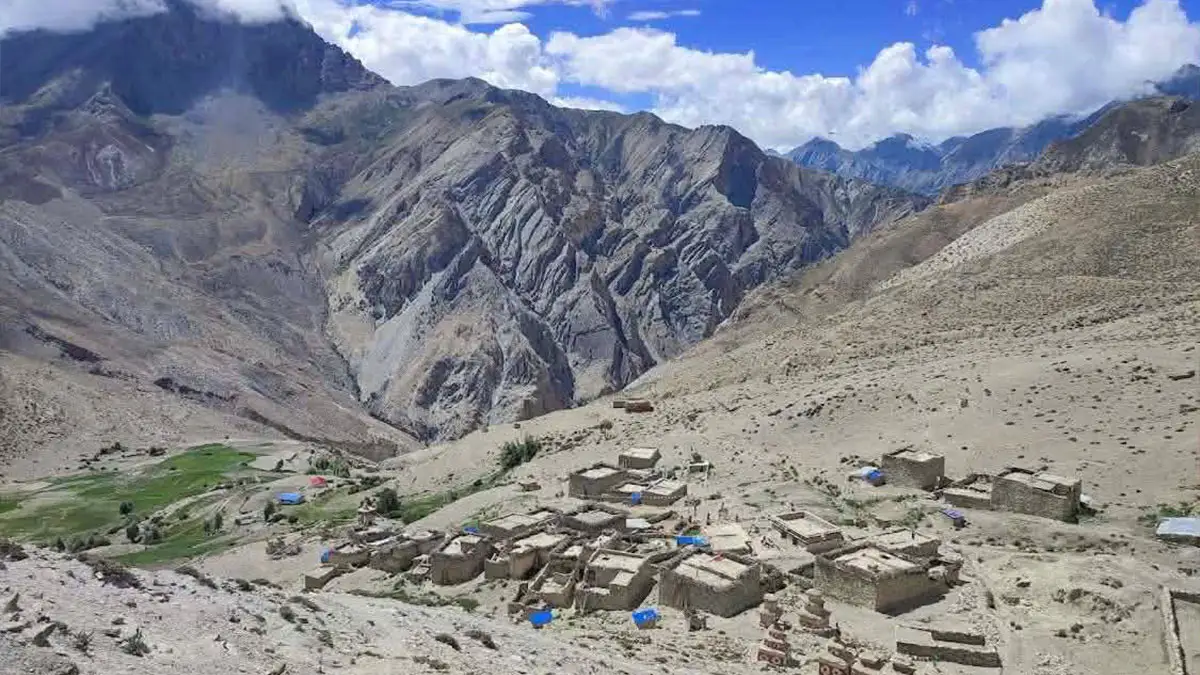
You're realistically days away from the nearest town with a pharmacy or an ATM. Mobile signal is patchy to nonexistent for long stretches. If something goes wrong, helicopter evacuation is usually the only real option, and that depends on decent weather and travel insurance that actually covers high-altitude rescue. Don't skip on this.
Crossing Numa La and Baga La
Numa La and Baga La aren't technical climbs; you don't need ropes or crampons in normal conditions, but they are steep, sustained, and rough underfoot. The climbs test your lungs, the descents test your knees, and trekking poles genuinely aren't optional here.
Numa La is the higher of the two and usually the harder pass psychologically, a long, exposed climb followed by an equally long descent; most itineraries treat it as the toughest single day of the whole trek. Baga La is slightly lower but still demanding, especially if you're crossing it soon after Numa La without much recovery time built in.
The Flight to Juphal
Most routes start with a flight to Juphal, usually via Nepalgunj, and mountain flights here are known for delays; weather and a short mountain airstrip are usually the cause. Build a buffer day or two into your schedule so a delay doesn't wreck your itinerary, and check with your agency whether they have a backup plan for longer weather holds.
Accommodation and Food
Camping is the norm for much of the route, though a handful of villages have basic teahouses. Don't count on them for private rooms or hot showers. Dal bhat will be your main fuel, so bring some energy snacks and a way to purify water, whether that's tablets or a filter. Porters usually carry the heavy gear, but you'll still want a daypack with warm layers, rain gear, and basic first aid on you at all times.
Not sure what a full camping setup actually includes? See what's included in our Lower Dolpo trek package so you're not figuring out gear and food planning on your own.
Lower Dolpo Trek Permits: What You Need and What They Cost
You'll need three official permits for this trek, all of which must be arranged through a registered Nepalese trekking agency alongside a licensed guide:
- Restricted Area Permit (RAP): USD 20 per person for the first 7 days, plus USD 5 per person for each additional day beyond the first week.
- Shey Phoksundo National Park Entry Permit: NPR 3,000 per person (roughly USD 22–25).
- TIMS Card (Trekkers' Information Management System): Mandatory for all foreign trekkers entering protected regions in Nepal, processed directly by your trekking agency.
Note: Because Lower Dolpo is a designated restricted area, individual/solo trekking permits are not issued. You must trek with a group of at least two people and be accompanied by an authorized guide. Permit fees and regulations are subject to government updates, so always confirm current rates with your agency when budgeting.
Learn more about Nepal's restricted area trekking permit rules before planning your trek.
Best Time for Lower Dolpo Trek
Spring and autumn are the prime seasons for this trek, offering the most stable weather and clearest views over the high passes.
- Spring (March to May): Stable weather and pleasant daytime temperatures as wildflowers bloom. Early in the season, snow can linger on Numa La and Baga La, so microspikes or crampons may be needed depending on conditions.
- Autumn (September to November): The sweet spot overall. Once the monsoon clears in late September, you get crisp air, dry trails, and exceptional mountain visibility. October offers the best balance of clear days and manageable night temperatures.
- Monsoon / Summer (June to August): A viable window because Dolpo sits in the trans-Himalayan rain shadow and receives far less rain than most of Nepal. However, lower trails can still be muddy, river crossings run higher, and flights into Juphal face frequent weather delays.
- Winter (December to February): Extremely harsh conditions with temperatures dropping to -20°C at high altitudes. High passes are often completely blocked by heavy snow, making this window suitable only for seasoned expedition-style teams.
Spring and autumn remain your safest bets for a smooth trek, monsoon demands flexible scheduling, and winter is strictly for high-altitude winter specialists.
Lower Dolpo vs Upper Dolpo Trek Difficulty
Lower Dolpo is the more approachable of the two Dolpo treks, but "approachable" is relative here; both are serious high-altitude commitments.
|
Feature |
Lower Dolpo Trek |
Upper Dolpo Trek |
| Difficulty | Strenuous |
Extreme / Expedition-level |
|
Max Altitude |
~5,200 m to 5,310 m (Numa La) |
Up to ~5,375 m+ (Kang La) |
| Duration |
15 to 20 days |
22 to 28 days |
|
Permit Type |
RAP ($20/week) |
Restricted RAP ($500 for 10 days) |
|
Accommodation |
Camping & basic homestays |
Strictly full-camping expedition |
If you're building toward Upper Dolpo or one of the extreme trans-Himalayan routes eventually, Lower Dolpo is a reasonable, demanding stepping stone rather than a full expedition-level commitment.
Plan your adventure with our complete Upper and lower dolpo trek guide
Is the Lower Dolpo Trek Worth the Difficulty
Yes, for the right trekker. The difficulty is what keeps Lower Dolpo from turning into another crowded trail.
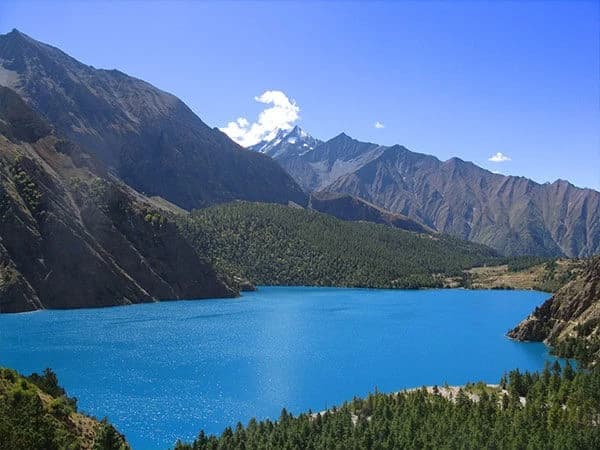
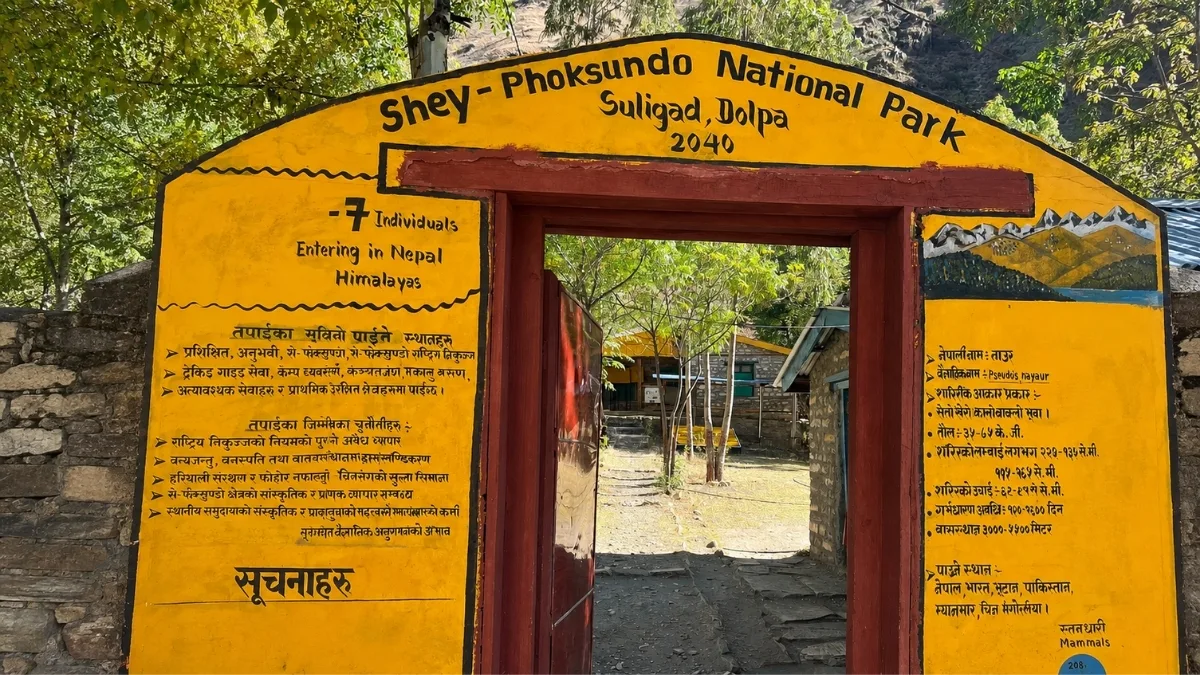
This region is still home to Bon, a pre-Buddhist tradition rarely seen anywhere else in Nepal, and villages that see a handful of foreign trekkers a year, not a season. Phoksundo Lake's turquoise water sits inside Shey Phoksundo National Park, and it looks unreal in person, which is also the reason the Oscar-nominated film Caravan was shot here. You won't share the trail with tour groups, and at night, there's no light pollution for hundreds of kilometers.
If comfort matters more to you than solitude, pick an easier trek; there are plenty of good ones. But if you want something genuinely hard to reach and hard to forget, Lower Dolpo delivers both.
Final Thoughts
The difficulty here is real. The passes, the remoteness, the camping nights, and the unpredictable weather will all test you at some point over those two to three weeks, and no amount of good vibes replaces actual preparation.
But it's manageable if you take it seriously. Train properly, respect the altitude, pick the right season, and go with a good local agency. Most fit, reasonably experienced trekkers get through this and come out the other side glad they did.
If you're weighing whether Lower Dolpo is the right trek for you, that's really the question to answer: are you prepared to put in the training and planning this route actually demands? If yes, this is one of the last genuinely remote treks left in Nepal, and it's still there for the people willing to earn it.
Still not sure if you're ready for this one? Get in touch with our team and we'll help you figure out if Lower Dolpo fits your experience level and timing.
FAQs
How many days does the Lower Dolpo trek take?
Usually 15 to 20 days, depending on your exact route, operator, and where you start, most commonly Juphal.
What is the highest altitude in the Lower Dolpo trek?
Numa La Pass is the high point, listed between roughly 5,190m and 5,310m depending on the source, with Baga La Pass close behind at around 5,070m to 5,175m.
Do you need prior trekking experience for Lower Dolpo?
Yes, ideally. Prior high-altitude trekking experience is strongly recommended; it's not really a trek to start with as a complete beginner.
Is the Lower Dolpo trek dangerous?
There are real risks, altitude sickness, remote terrain, unpredictable weather, and limited emergency access. With good preparation and proper travel insurance, these risks are manageable.
What permits are required for the Lower Dolpo trek?
A Restricted Area Permit (USD 20 for the first week, plus USD 5 per additional day), a Shey Phoksundo National Park Entry Permit (NPR 3,000), and a TIMS card, all arranged through a registered trekking agency.
What kind of accommodation is available in Lower Dolpo?
A mix of camping and a few basic teahouses in some villages, though these shouldn't be relied on exclusively. Most packages include full camping support.
Is the Lower Dolpo trek worth the difficulty?
Yes, for trekkers who prepare properly and want a genuine wilderness experience with far fewer crowds than Nepal's more popular routes.
Can beginners do the Lower Dolpo Trek?
The Lower Dolpo Trek is not recommended for complete beginners because of its remote trails, high altitude, long walking days, and challenging terrain. However, beginners with good fitness and some previous trekking experience can take on the trek with proper preparation, acclimatization, and an experienced guide.