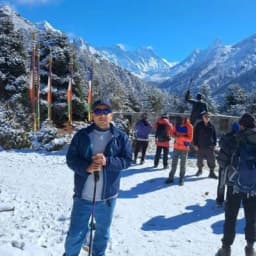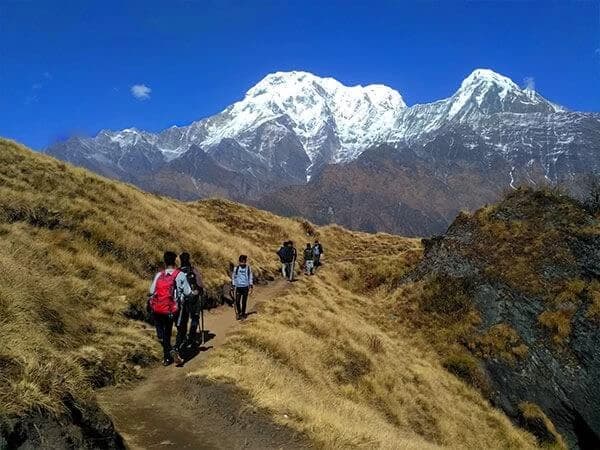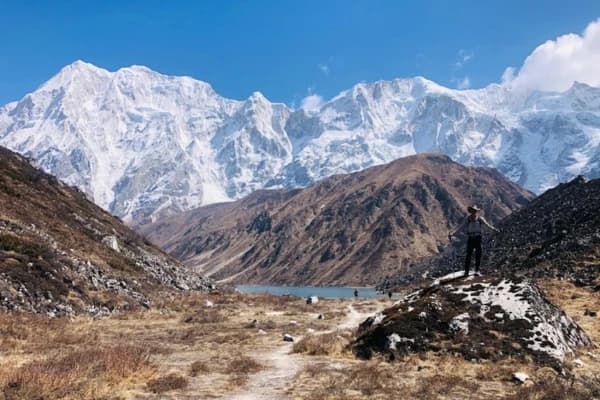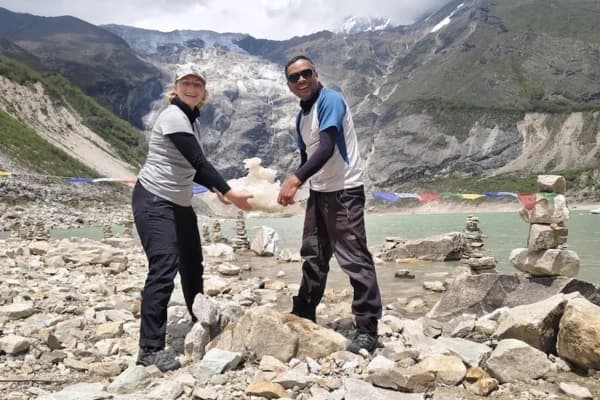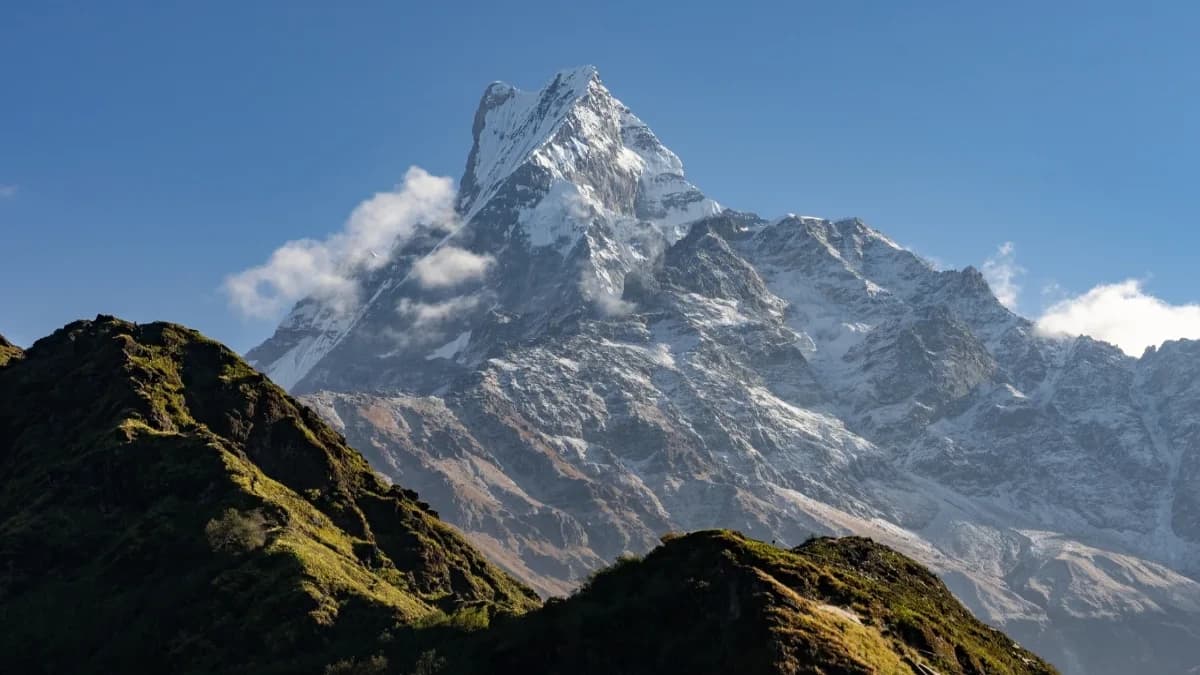
The Mardi Himal trek is rated moderate difficulty. It is not a casual walk, but it is absolutely manageable for anyone with reasonable fitness and a bit of preparation. The altitude reaches 4,500m, the terrain gets steep above Forest Camp, and the daily walking hours demand genuine stamina.
But there is no technical climbing, the trail is well-marked, and first-time trekkers complete it every single season. If you can walk 5–6 hours a day on uneven ground, you can do Mardi Himal trek. The reward-to-effort ratio is what sets it apart. In just 5–7 days, you get close-up views of Machhapuchhre Fishtail and the Annapurna range that rival treks twice as long. The challenge is real, but it is honest and completely worth it.
Mardi Himal Trek Overview
The Mardi Himal Trek is one of those short Himalayan trips that feels way bigger than it actually is. It sits inside the Annapurna Conservation Area, not far from Pokhara, which honestly makes it super convenient.
You don’t need weeks or crazy experience for this one. In just a few days, you walk through forests and climb quiet ridges, and suddenly you’re right in front of massive mountains like Machhapuchhre. It’s not technical or anything, but some parts are steep, so you’ll feel it in your legs. Ultimately, it offers a perfect blend of effortless adventure and authentic mountain vibes.
Mardi Himal Trek Overview Table
|
Detail |
Information |
|
Location |
Annapurna Conservation Area, Nepal |
|
Duration |
5–7 days |
|
Maximum altitude |
4,500m (Mardi Himal Base Camp) |
|
Trek type |
Non-technical, steep Himalayan trek |
|
Trail style |
Forest trails → ridge walking → alpine terrain |
|
Starting point |
Kande or Phedi (near Pokhara) |
|
Permits required |
ACAP + TIMS card |
Is the Mardi Himal Trek Safe?
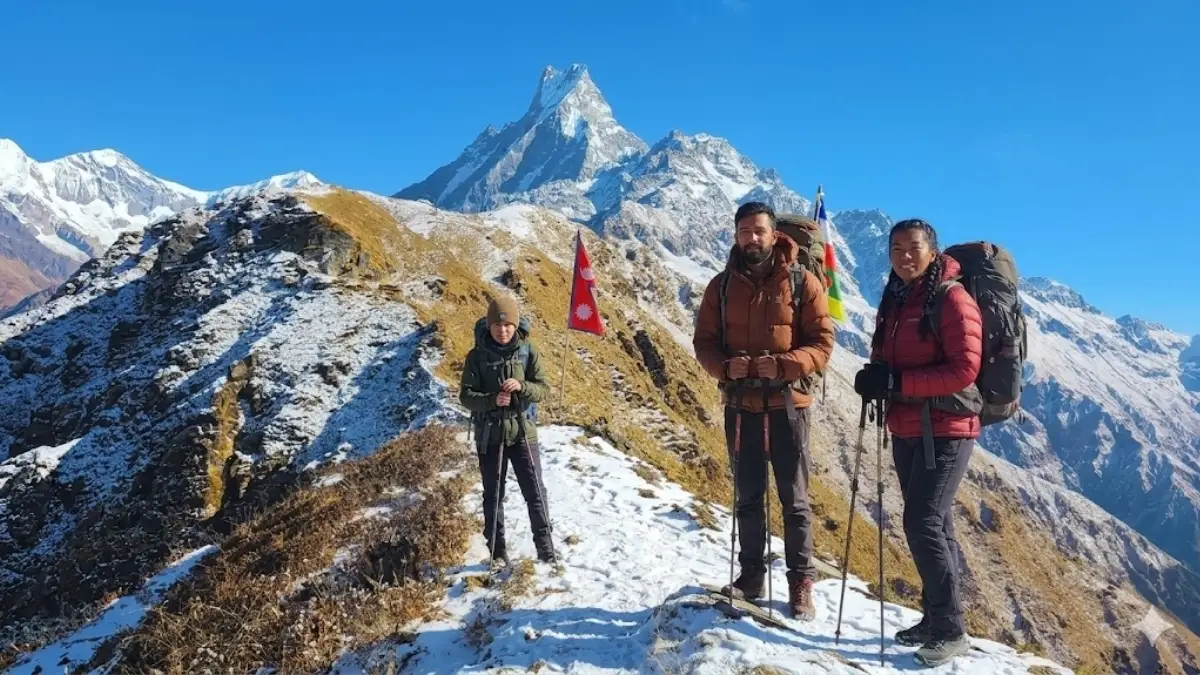
Mardi Himal Trek is safe. Even for beginners, as long as you prepare a bit and don’t rush. The trail is clear, teahouses are available, and you don’t need any technical skills. So that part is pretty straightforward. The main things to watch are altitude above 3,000m and quick weather changes. Just listen to your body, stay hydrated, and go slow.
Honestly, a guide helps a lot if it’s your first time. And compared to other treks, it sits right in the middle: harder than Ghorepani Poon Hill but easier than Annapurna Base Camp. At the end of the day, it’s safe just don’t underestimate it.
How Difficult Is the Mardi Himal Trek?
The Mardi Himal Trek sits right in that middle zone. Not simple, not crazy hard either. You can call it moderate. It’s not technical, so no climbing or anything like that. But honestly, the challenge comes from the steady uphill, the altitude gain, and walking 5–6 hours a day for a few days in a row.
Some sections, especially higher up, can feel pretty steep. You’ll notice it. The beneficial part. You don’t need prior Himalayan experience. With decent fitness and a slow pace, you'll be able to handle it well. Ultimately, it requires effort, but the breathtaking ridge views make every step worthwhile.
If you are thinking of short and moderate easy trek, this Mardi Himal Trek is for you and Nepal Gateway Trekking is always ready to support you in this journey to Nepal.
Mardi Himal Trek Difficulty Explained in Detail
The Mardi Himal Trek is moderate. It is neither super easy nor overly challenging. You don’t need any technical skills, but you do require decent stamina. The main challenge? Steady uphill walking, quick altitude gain, and putting in 5–6 hours of trekking every day.
The lower part feels relaxed, almost effortless. But higher up, things change. It gets steeper, the air feels thinner, and your body starts to slow down a bit. Honestly, if you keep a steady pace and don’t rush, it’s very manageable.
Steep Ascents Above Forest Camp
This is where it really starts to feel like a proper trek. After Forest Camp, the trail goes uphill most of the time. Not sharp climbs, but long, continuous ones that don’t give you much rest. Your legs will feel it, especially if you try to go fast. Essentially, the key is to discover your rhythm and maintain it.
Daily Elevation Gain
You’re gaining around 500 to 780 meters every day. On paper, it sounds fine. But doing that day after day feels different. Plus, as you go higher, even small climbs feel harder than they should. So, pacing yourself matters more than anything here.
Altitude Effects Above 3,000m
Once you cross 3,000 meters, things feel a bit different. Breathing gets heavier, and you might feel exhausted faster than usual. Some people get mild headaches too. It’s normal, but you shouldn’t ignore it. Drink water, take breaks, and don’t push just to “keep up."
Long Walking Hours
Most days are around 5–6 hours of walking. Not excessively long, but the daily repetition accumulates. Some days feel simple, others feel longer than expected. Ultimately, consistency outweighs speed.
Cold and Wind at Higher Camps
Higher up, especially near High Camp, it gets cold. Mornings and evenings can feel pretty sharp, and the wind worsens it. Sometimes it hits you out of nowhere. So, warm layers are not optional here.
Limited Acclimatization Time
This trek is short, usually 5–7 days. That means you keep gaining altitude without many proper rest days. Your body doesn’t always get enough time to adjust. That’s why going slow, taking breaks, and listening to your body makes a big difference.
Explore our best five treks in Annapurna Region you should definitely add into your bucketlist.
Common Challenges on Mardi Himal Trek
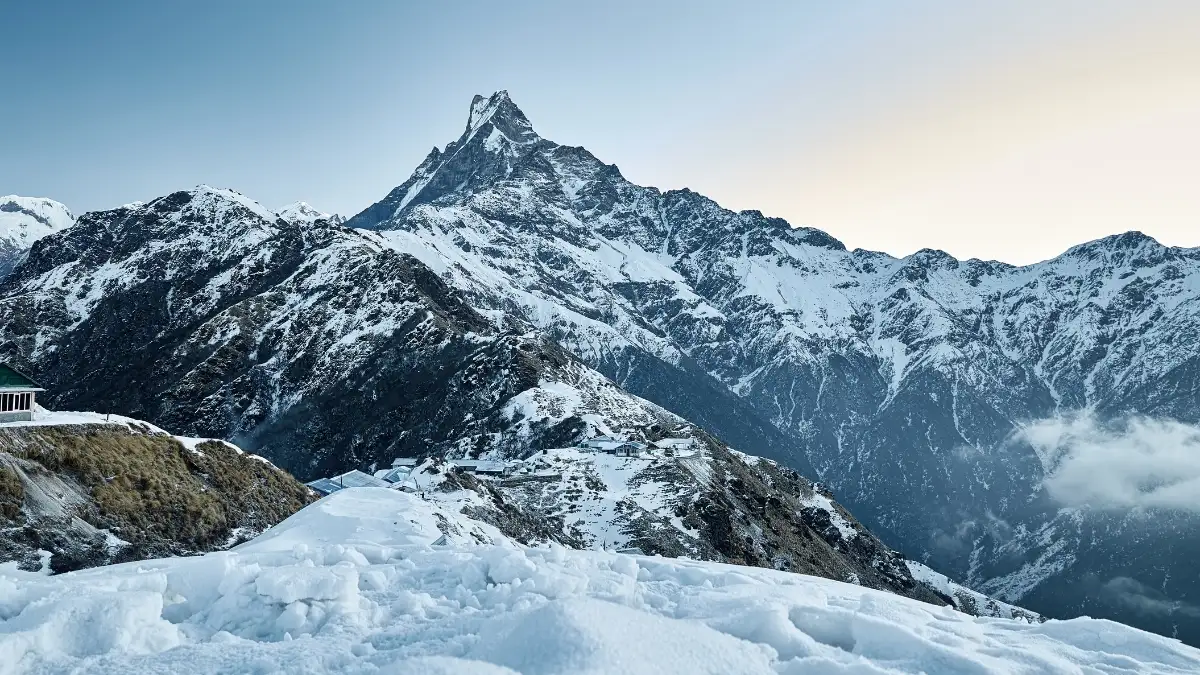
The Mardi Himal trek is beautiful, no doubt. But yes, it comes with a few real challenges. Nothing extreme, but enough to catch you off guard if you’re not ready.
Rapid Altitude Gain
You start around 1,700m and reach about 4,500m in just a few days. That’s pretty quick. Honestly, it is faster than what is usually recommended once you go above 3,000m. If you rush, your body doesn’t get enough time to adjust. That’s when headaches, dizziness, or just feeling off can happen. So, going slow really matters here.
Fatigue on Steep Climbs
The stretch from Low Camp to High Camp is where things feel heavy. It’s a long uphill, around a 600m gain, and the trail can be rocky and uneven. By this point, you’ve already been walking for a couple of days. Your legs are no longer fresh. That’s why this section feels harder than it actually is.
Unpredictable Weather
Mountain weather is unpredictable. You might begin your day with clear blue skies, only to find clouds rolling in unexpectedly a few hours later. Rain, wind, sudden cold It's all part of the experience. So basically, you have to be ready for quick changes, even in favorable seasons.
Cold at Higher Elevations
Once you reach High Camp, the temperature drops considerably. Nights can go below freezing, and mornings feel sharp and cold. If you don’t pack proper warm layers, you’ll feel it. Especially when you’re just sitting around or starting early. Ultimately, maintaining warmth significantly enhances your enjoyment of the trek.
You can trek Mardi Himal in different seasons. Before that if you want to know how it feels in various seasons, read our blog:
Mardi Himal Trek Altitude and Its Impact on Difficulty
The trek goes up to around 4,500m at Mardi Himal Base Camp, but you usually sleep at High Camp (3,580m). From there, you push to the viewpoint and come back down. Honestly, the quick altitude gain is what makes this trek feel harder than it looks.
Altitude & Difficulty Breakdown
|
Section |
Details |
|
Maximum altitude |
4,500 m (Base Camp), but most trekkers sleep at 3,580m (High Camp) |
|
Upper Viewpoint |
Around 4,200m, usually done as a day hike and return |
|
Total altitude gain |
About 2,730m over the full trek |
|
Day 1 gain |
780 m (Kande to Forest Camp) feels okay, but a bit tiring |
|
Day 2 gain |
530m (Forest Camp to Low Camp) steady climb, manageable |
|
Day 3 gain |
600 m (Low Camp to High Camp) starts to feel harder due to altitude |
|
Day 4 gain |
620 m (High Camp to Viewpoint/Base Camp): toughest day, thin air hits |
|
Altitude effect zone |
Above 3,000m, breathing gets heavier and pace slows down |
|
Where you feel it first |
Around Low Camp (3,050m) or Badal Danda (3,210m) |
|
How to manage it |
Walk slow, drink water, take breaks, and avoid rushing |
Altitude Sickness (AMS) on Mardi Himal Trek
Altitude sickness, or AMS, happens when your body doesn’t adjust fast enough to less oxygen at higher places. And honestly, it can happen to anyone. Doesn’t matter if you’re fit or trekking for the first time. On the Mardi Himal trek, the risk starts to show above 3,000m and feels more real after 3,500m. It’s not as risky as bigger treks like Everest Base Camp or Annapurna Circuit, but you can’t ignore it either.
Symptoms to Watch For
| Symptom |
What it feels like |
|
Headache |
The most common sign. Doesn’t go away easily |
|
Nausea |
Feeling uneasy or like you might throw up |
| Fatigue |
More tired than you should be for the effort |
|
Dizziness |
Feeling lightheaded or off balance |
|
Poor sleep |
Hard to sleep properly at night |
|
Loss of appetite |
Not feeling like eating much |
What Increases the Risk
|
Situation |
Why it matters |
|
Climbing too fast |
Your body doesn’t get time to adjust |
|
Skipping rest |
No recovery time at higher altitude |
|
Ignoring early signs |
Small symptoms can turn serious |
|
Dehydration |
Makes altitude effects worse |
How to Prevent Altitude Sickness on the Mardi Himal Trek?
Avoiding altitude sickness isn’t anything complicated. It’s just about not being careless. Most people who struggle tend to rush or ignore the early signs.
- Ascend Gradually: Take your time. Avoid rushing the itinerary. Above 3,000m, sudden altitude gain can affect your body.
- Stay Hydrated: Drink 3–4 liters of water daily. Avoid alcohol.
- Pace Yourself: Walk slowly and keep a steady rhythm. Don’t rush early.
- Eat Well: Eat regularly, even without appetite. Simple meals, like dal bhat, help.
- Listen to Your Body: Watch for symptoms like headache, dizziness, or nausea. Rest or descend if needed.
Day-by-Day Mardi Himal Trek Difficulty Breakdown
Here’s how the trek usually feels day by day on a standard 5-day plan starting from Kande. Of course, walking time can change a bit depending on your pace. Some walk faster, some take it slow.
Trek Difficulty Table
|
Day |
Route |
Walking Hours |
Elevation Gain |
Difficulty |
|
Day 1 |
Kande (1,770m) to Forest Camp (2,550m) |
4–5 hrs |
780m |
Moderate |
|
Day 2 |
Forest Camp to Low Camp (3,050m) |
3–4 hrs |
530m |
Moderate |
|
Day 3 |
Low Camp to High Camp (3,580m) |
5–6 hrs |
600m |
Hard |
|
Day 4 |
High Camp to Viewpoint (4,200m) / Base Camp (4,500m) to Siding (1,700m) |
7–9 hrs |
+620m / −2,800m |
Hard |
|
Day 5 |
Siding to Pokhara (drive) |
1–2 hrs trek + drive |
Descent |
Easy |
Trail Conditions and Physical Challenges of Mardi Himal Trek
The trail changes a lot as you go higher. You feel that change. The lower part, from Kande to Forest Camp, is actually rather heartwarming. Forest trails, stone steps, lots of greenery. However, it's important to be cautious. Tree roots, mud, and uneven stones make it easy to slip if you’re not paying attention.
Above Forest Camp, things open up. The trail becomes narrower, steeper, and a bit rocky. The wind starts picking up too. It feels more exposed, and you’ll notice the climb more in your legs. Closer to High Camp and the viewpoint, it’s all alpine.
No trees, just open space, rocks, and steep paths. Footing can feel loose in places, so having trekking poles really helps. No technical gear is needed, though. No ropes, no climbing. All you need is excellent balance, steady steps, and a bit of focus.
Which Is the Most Difficult Section of the Trek?
The toughest part is the climb from Forest Camp to High Camp. The stretch from Low Camp to High Camp is particularly challenging. It’s around 600 m of uphill, and the trail gets steeper and rockier as you go. Plus, you’re already at a higher altitude, so breathing feels heavier and every step takes more effort.
By this point, your legs have already done a couple of days of walking. So yeah, fatigue starts to kick in. That’s why this section feels harder than the rest. Honestly, this stage is critical to keeping a steady pace. Start early, go slow, and don’t rush. Ultimately, consistent progress leads to success.
Weather and Seasonal Difficulty of Mardi Himal Trek
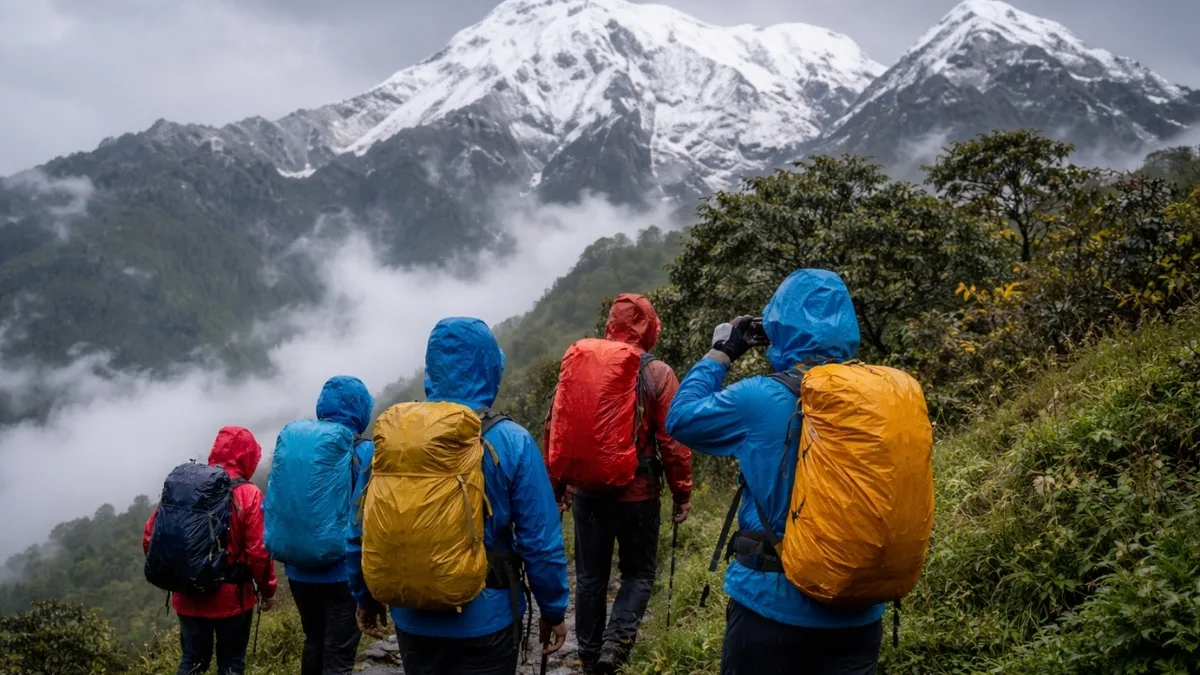
Weather significantly influences the trek. It can make the trek feel easy or a lot harder. On clear days, the trail feels smooth, views are open, and walking just feels better. But when the weather turns rainy, windy, or foggy, everything slows down. Trails become slippery, visibility drops, and it takes more effort. Choosing the right season significantly impacts the experience. Good weather makes the trek enjoyable. Bad weather makes the same trail feel twice as tough.
When Is the Best Time for Easier Mardi Himal Trekking?
Autumn (September to November) is usually the most comfortable time to go on the Mardi Himal Trekking. The weather is stable, skies are clear, and the views are just unreal. Trails stay dry, which makes walking easier too. October and November are the ideal months. It's important to remember that it's peak season, so places can quickly fill up.
Spring (March to May) is also a wonderful option. The forests come alive with rhododendron flowers, which honestly makes the trek feel even better. The weather is still excellent, just a bit more cloudy in the afternoons compared to autumn. Ultimately, both seasons are equally appealing. Autumn feels easier overall, but spring has its charm.
Which Are the Difficult Seasons for Mardi Himal Trek?
Winter (December to February) is tough. Snow builds up above 3,000m, trails can get icy, and nights at High Camp drop well below freezing. Sometimes even the trail markers disappear under snow. What feels like a moderate trek in excellent weather. turns rather serious in the winter.
Monsoon (June to August) is a different kind of challenge. Constant rain, slippery paths, leeches in the forest, and almost no mountain views. The greenery looks wonderful, honestly, but trekking itself feels messy and slow. Ultimately, both seasons are manageable, but they may not be the most convenient option for the majority of individuals.
Mardi Himal Trek vs Other Popular Treks
Here’s a simple way to understand where Mardi Himal stands. It’s somewhat in the middle, but it has a bit more punch on shorter days.
Mardi Himal vs Annapurna Base Camp Trek
Mardi is shorter but steeper. You gain altitude faster, so some days feel tougher. ABC is longer, around 10–13 days, so the effort is spread out more. It’s less rushed, more gradual. Basically, if you’re short on time, Mardi works better. If you want a slower, more relaxed journey, ABC makes more sense.
Mardi Himal vsGhorepani Poon Hill Trek
Mardi is definitely harder. No doubt. Poon Hill is easier, has a lower altitude, and has shorter days. Good for beginners. Mardi goes higher, gets steeper, and feels more demanding. If you've completed Poon Hill and are seeking a more challenging trek.
Mardi Himal vs Langtang Valley Trek
These two are pretty close in difficulty. Langtang Valley Trek is more gradual. You walk along a valley, so it feels steady. Mardi is steeper and quicker in terms of altitude gain. So, it can feel tougher day by day.
Comparison Table
|
Trek |
Difficulty |
Max Altitude |
Duration |
Terrain |
|
Mardi Himal |
Moderate |
4,500m |
5–7 days |
Ridge, forest, alpine |
|
Annapurna Base Camp |
Moderate–Hard |
4,130 m |
10–13 days |
Valley, forest, alpine |
|
Ghorepani Poon Hill |
Easy–Moderate |
3,210m |
4–5 days |
Forest, ridge |
|
Langtang Valley |
Moderate |
3,210m |
7–10 days |
Valley, forest, glacial |
Mardi Himal is the ideal trek for those seeking a new challenge. Not too extreme, but enough to feel like a real adventure.
Fitness Level Required for Mardi Himal Trek
You don’t need to be super fit. But you do need to be reasonably fit. The main thing is being able to walk 5–6 hours a day, mostly uphill and on uneven trails. Strong legs and decent stamina matter more than anything else. If stairs already feel hard, it’s a good idea to train a bit before the trek. Honestly, simple prep works best. Daily walking, climbing stairs, light jogging, maybe a few weekend hikes with a backpack. Nothing fancy.
If you can walk uphill for 2–3 hours without feeling completely exhausted, you’re good. Ultimately, this level of fitness is sufficient to tackle this trek. And if you’re already active, like hiking, running, or cycling, the lower part will feel effortless and the higher part just the right kind of challenge.
Do You Need a Guide for the Mardi Himal Trek?
Since 2023, Nepal requires foreign trekkers to have a licensed guide on treks like Mardi Himal. So it’s not just a choice anymore it’s the rule. But honestly, it’s not a bad thing. A guide makes the whole experience easier. They handle the route, especially near High Camp, where trails can get confusing. They also monitor altitude issues, which become crucial once you ascend above 3,000m.
Plus, they sort out teahouses, permits, and small things you would rather not deal with when you’re exhausted. And if something goes wrong, injury, sickness, or anything, having a guide there makes a huge difference. Ultimately, it's not solely about adhering to rules. It just makes the trek smoother and safer.
Is the Mardi Himal Trek worth it, despite the difficulty?
The views alone make it special. You’re walking straight toward Machhapuchhre (Fishtail), and it feels unreal how close it looks. By the time you reach High Camp, the mountains are right in front of you. The mountains are right there, not far away. What makes it different is the ridge walk. You’re not stuck in a valley looking up through trees.
You discover yourself in the open, at eye level with peaks such as Annapurna South and Hiunchuli. It’s quiet too. Less crowded, more raw. Honestly, the difficulty is there, but it’s manageable. You put in some effort, and the reward feels big. Ultimately, for a brief trek, it provides a comprehensive Himalayan experience. And that’s difficult to beat.
Final Thought
The Mardi Himal Trek sits right in the middle. Moderate, not extreme. There are challenges. Steep climbs, quick altitude gain, long walking days, and cold up high. However, with a little preparation, nothing here is beyond your reach. It works really well for beginners who take it seriously. Train a little, give yourself enough days, and don’t rush.
If you have prior trekking experience, you will likely find it to be the perfect level of challenge. If you're seeking a brief trek that offers genuine mountain views and the essence of the Himalayas without the need for weeks on the trail, this trek is the perfect choice. If you want things sorted without stress, Nepal Gateway Trekking can help you plan everything guides, permits, stays, all of it. Contact us today!
FAQs
Is the Mardi Himal Trek difficult for beginners?
Beginners can do it. No problem. It’s moderate, so you’ll feel the effort, but it’s not overwhelming. Just make sure you’re a bit fit, don’t rush the itinerary, and keep a steady pace. Honestly, going with a guide makes it much easier.
How many days does the Mardi Himal trek take?
Usually 5–7 days. 5 days if you want it a bit fast. If you prefer a more relaxed approach and want to acclimatize better to the altitude, it will take 7 days. There’s a 4-day version too, but that’s only for people who are already very fit.
Is Mardi Himal harder than Annapurna Base Camp Trek?
It depends on how you look at it. Mardi is shorter but steeper, so daily walks feel tougher. ABC is longer, so the overall effort is bigger. Basically, Mardi feels harder day-to-day, and ABC feels harder overall.
What is the maximum altitude of Mardi Himal Trek?
The highest point is around 4,500 meters at Base Camp. But most people sleep at High Camp (3,580m) and go up to the viewpoint or base camp during the day, then come back down.
What is the best time for the Mardi Himal Trek?
Spring and autumn. Simple as that. Autumn gives clear skies and stable weather. Spring adds flowers and color on the trails. Both are outstanding.
Do I need technical climbing skills?
This is a trekking route that did not require climbing. No ropes, no special gear. All you need are sturdy shoes and perhaps trekking poles, and you're ready to embark on your journey.