Quick Takeaways
- You can travel alone and book a private trek with a licensed guide.
- The mandatory guide and TIMS rule applies to specific trekking routes, not every trail in Nepal.
- Restricted areas require a Restricted Area Permit (RAP), a licensed guide, and a registered trekking agency.
- The March 2026 change removed the minimum of two trekkers for restricted-area permits.
- TIMS, national park permits, conservation-area permits, and RAPs are separate requirements.
If you are planning a less common route, check its current requirements before you book. Solo trekking in Nepal is possible, but you need to check the rules for the route you want to take. On routes covered by Nepal's current mandatory guide and TIMS rules, including Everest Base Camp, Langtang, Annapurna Circuit, and Mardi Himal, foreign trekkers must be accompanied by a licensed guide and obtain an agency-issued TIMS card.
Restricted areas have additional permit requirements and must be arranged through a registered trekking agency. Nepal also changed its restricted-area rules in March 2026, allowing one foreign trekker to apply for a permit instead of requiring at least two. This guide looks at the routes you can take alone, where you need a guide, permit requirements, costs, and practical preparation.
Can You Trek Solo in Nepal in 2026/27?
Yes, but travelling alone and trekking without a guide are not necessarily the same thing.
You can book a private trek for yourself rather than joining a group with registered trekking agency in Nepal. On routes covered by Nepal's mandatory guide and TIMS rules, however, you still need a licensed guide and an agency-issued TIMS card. Restricted areas have their own permit rules and also require a guide and registered agency.
So if you want the freedom of travelling alone, a private trek is usually the relevant option.
Solo Traveller vs. Trekking Without a Guide
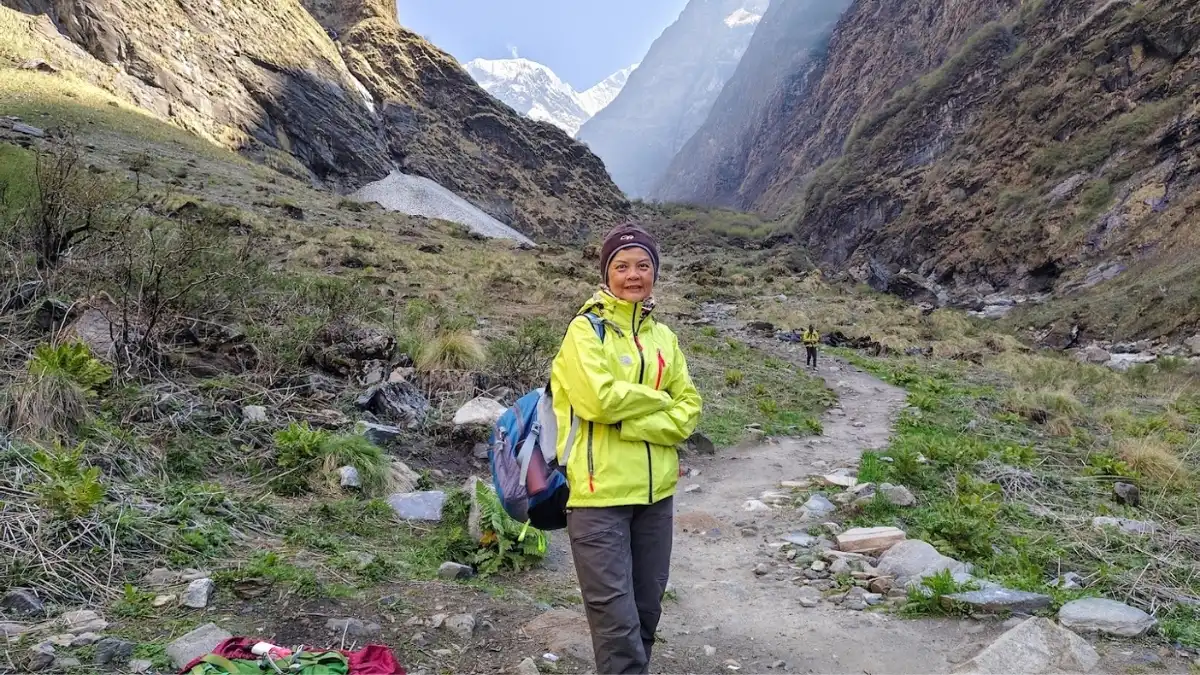
A solo traveller is someone who travels or treks alone rather than as part of a group. You can still have a licensed guide with you. For example, one traveller can book a private trek with one guide and follow a personalised itinerary.
Trekking without a guide is different. It means walking the trekking route without a guide accompanying you. Whether this is allowed depends on the rules that apply to that particular route or area.
In simple terms:
- Solo traveller: One traveller, with or without a guide.
- Private trek: One traveller with a licensed guide.
- Group trek: Several travellers trekking together with a guide.
- Unguided trek: A traveller walks the route without a guide.
For Nepal, this distinction matters because being allowed to travel alone does not automatically mean you are allowed to trek a particular route without a guide.
What Changed for Solo Trekking in Nepal in March 2026?
Nepal changed the rules for restricted-area trekking on March 22, 2026.
Previously, foreign trekkers generally needed to apply for a restricted-area permit as a group of at least two. That minimum has now been removed, so one foreign trekker can apply for the permit.
The rest of the arrangement remains important. A licensed guide is still required, and the trek must be organised through a registered trekking agency. The agency is responsible for emergency rescue and logistics, and one guide can lead up to seven trekkers in restricted areas.
This change applies to restricted-area permits. It does not remove guide and TIMS requirements that apply to other listed trekking routes.
Pre-Arrival Application Update: Along with removing the two-person minimum, the Department of Immigration's updated digital system allows registered agencies to pre-process Restricted Area Permits before you land in Nepal using your online visa submission ID or visa number.
Where Can Solo Travellers Trek in Nepal?
Many well-known trekking routes can be done as a private trek with just one client and a guide. The paperwork varies depending on where the trail goes.
|
Route Category |
Travel Alone? |
Guide |
Agency |
Main Requirement |
|
NTB-listed routes |
Yes |
Required |
Required |
TIMS + applicable entry permit |
|
Restricted areas |
Yes |
Required |
Required |
RAP + applicable permits |
|
Other routes |
Depends on route |
Check current rules. |
Check current rules. |
Route-specific |
Some examples from the current Nepal Tourism Board (NTB) list are below:
|
Region |
Routes |
Main Entry Requirement |
|
Everest |
Everest Base Camp, Gokyo, Three Passes |
Sagarmatha National Park + local Khumbu Trek-Card |
|
Annapurna |
Annapurna Circuit, Poon Hill-ABC, Mardi Himal |
Annapurna Conservation Area Permit |
|
Langtang |
Langtang, Langtang Gosaikunda, Tamang Heritage |
Langtang National Park |
|
Manaslu |
Manaslu Circuit, Tsum Valley |
RAP + applicable conservation requirements |
|
Mustang |
Upper Mustang |
RAP + applicable permits |
|
Dolpo |
Upper and Lower Dolpo |
RAP + applicable protected-area requirements |
|
Kanchenjunga |
Base camp routes |
Restricted-area + applicable protected-area requirements |
The list also covers routes in areas including Makalu, Rolwaling, Helambu, Ganesh Himal, Dhaulagiri, and Humla.
If your trek combines several areas, check the requirements for each part of the itinerary. One permit does not automatically cover every section.
What Are the Best Trekking Routes for Solo Travellers?
The best solo trekking in Nepal depends on how much time you have and how comfortable you are with long days and altitude. These are some of the most practical choices for a private trek.
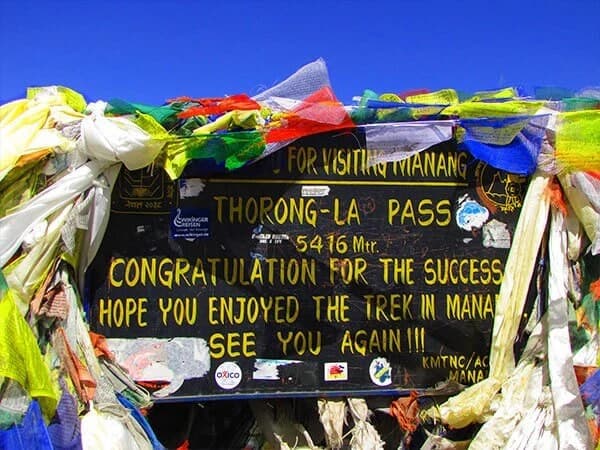
- Annapurna Circuit Trek: The Annapurna Circuit Trek is a longer option, usually taking two weeks or more. The trail crosses Thorong La at about 5,416 m (17,769 ft) and passes through a wide range of landscapes and villages. There are plenty of teahouses along the main route.
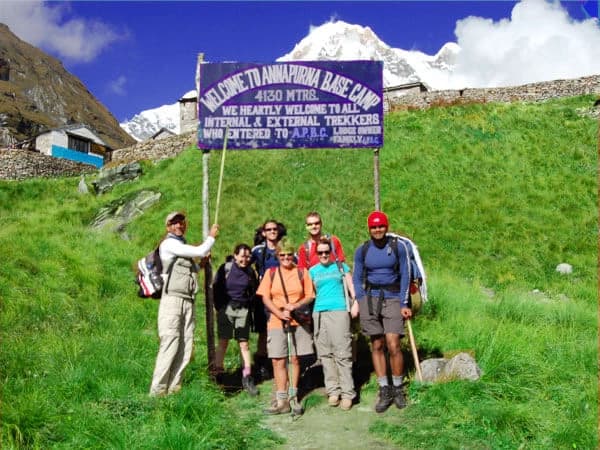
- Annapurna Base Camp Trek: The Annapurna Base Camp Trek reaches about 4,130 m (13,550 ft). Most itineraries take around a week or longer. The trail has plenty of teahouses, but expect long stair sections, especially on some of the lower parts of the route.
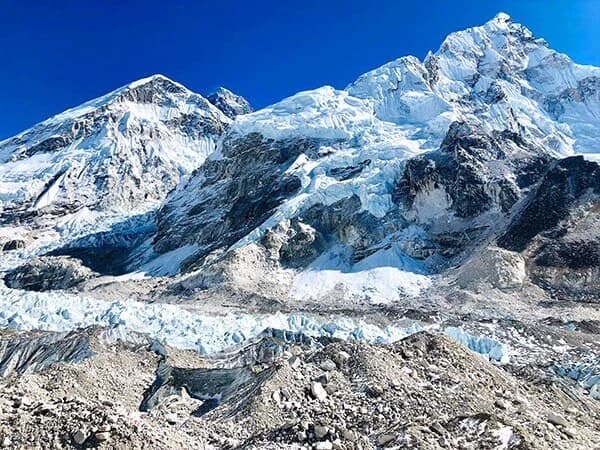
- Everest Base Camp Trek: Everest Base Camp Trek stands at about 5,364 m and usually takes around two weeks. The altitude is the biggest challenge, so rushing the itinerary is not a good idea.
- Langtang Valley: Langtang Valley Trek is a good choice if you want a shorter Himalayan trek from Kathmandu. An itinerary can be completed in around eight days, including the road journey. Kyanjin Gompa is roughly 3,800 m (12,467 ft), while Tserko Ri reaches around 5,000 m (16,404 ft) for those who want a higher side trip.
- Ghorepani Poon Hill Trek: The Ghorepani Poon Hill trek is one of the shorter trekking options, normally taking four to five days. The viewpoint is about 3,210 m (10,531 ft). It can suit travellers who want mountain scenery without spending two or three weeks at high altitude.
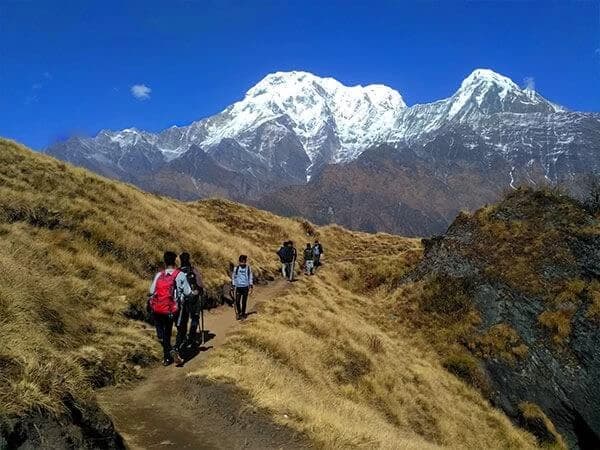
- Mardi Himal Trek: The Mardi Himal Trek is another shorter trek, generally taking four to seven days. High Camp is around 3,580 m (11,745 ft), while the upper viewpoint is about 4,200 m (13,780 ft). Longer itineraries can continue towards Mardi Himal Base Camp at around 4,500 m (14,764 ft).
Which Solo Trek Is Right for You?
Here is a quick comparison:
|
Trek |
Typical Duration |
Approx. High Point |
Difficulty |
Good For |
|
Ghorepani Poon Hill |
4-5 days |
3,210 m (10,531 ft) |
Easy to moderate |
Short trips |
|
Mardi Himal |
4-7 days |
4,200 m (13,780 ft) viewpoint / 4,500 m (14,764 ft) base camp |
Moderate |
Fit beginners |
|
Langtang Valley |
About a week |
About 3,800 m (12,467 ft) |
Moderate |
Short Himalayan trips |
|
Annapurna Base Camp |
About a week or longer |
4,130 m (13,550 ft) |
Moderate |
Teahouse trekking |
|
Annapurna Circuit |
2 weeks or more |
5,416 m (17,769 ft) |
Challenging |
Experienced trekkers |
|
Everest Base Camp |
About 2 weeks |
5,364 m |
Challenging |
Trekkers comfortable with altitude |
Solo Trekking in Nepal for Beginners
If this is your first trek, Poon Hill, Mardi Himal, or Langtang can be easier places to start than Everest Base Camp or the Annapurna Circuit. You still need to be ready for several hours of walking each day, uphill sections, and changing mountain conditions.
- Time and Altitude: Look at more than the number of days when choosing a trek. The highest sleeping point and the amount of time spent above 3,000 m matter too. Higher routes need enough time for acclimatization.
- Budget: A private trek gives you more control over your dates and pace, but it can cost more per person than joining a group. Guide, transport, and other fixed expenses are harder to share when there is only one client.
Solo trekking can be an unforgettable way to experience Nepal, but the right route, permits and preparation can make all the difference. Nepal Gateway Trekking can help you choose a trek that matches your experience, schedule and interests, so you can spend less time worrying about the details and more time enjoying the mountains.
Planning your solo adventure? Let the Nepal Gateway Trekking team help you plan your trek and make your Himalayan journey one to remember.
Which Areas Are Restricted for Solo Trekkers?
Restricted areas are controlled trekking zones where foreign trekkers need a permit from the Department of Immigration. They are found in several remote parts of Nepal.
Some of the better-known examples are:
- Manaslu and Tsum Valley: RAP and relevant conservation-area requirements.
- Upper Mustang: Restricted-area permit and other applicable permits.
- Nar Phu: Restricted-area permit and conservation-area requirements.
- Dolpo: Restricted-area and protected-area requirements.
- Kanchenjunga: Restricted-area and applicable protected-area requirements.
The 2026 rule change means one foreign trekker can now apply for a restricted-area permit. A guide and registered agency are still required.
What Permits and Documents Do Solo Trekkers Need?
The paperwork depends on your route. Some treks need more than one permit.
|
Requirement |
Purpose |
When It Applies |
|
TIMS |
Trekker registration |
Routes covered by current TIMS rules |
|
National Park Permit |
Entry to a national park |
National park routes |
|
Conservation Area Permit |
Entry to a conservation area |
Annapurna and other applicable areas |
|
Restricted Area Permit |
Entry to restricted areas |
Restricted routes |
TIMS
The current TIMS fee is NPR 2,000 for non-SAARC trekkers and NPR 1,000 for SAARC trekkers. A registered agency arranges the card and records the trekker, guide and route information.
TIMS is not a substitute for other permits.
National Park and Conservation Area Permits
Fees depend on the protected area. Nepal Tourism Board currently lists NPR 3,000 for foreign visitors entering Sagarmatha National Park, Langtang National Park and the Annapurna Conservation Area Project.
The Everest region also has a local Khumbu Trek-Card, so check the current requirement when planning an Everest trek.
Restricted Area Permit
RAP fees vary by area and length of stay. Some restricted routes are considerably more expensive than standard trekking routes. Your agency should confirm the current amount for your itinerary.
How Much Does Solo Trekking in Nepal Cost?
There is no single price for solo trekking in Nepal. A four-day Poon Hill trek and a two-week Everest Base Camp trek have very different costs.
The main expenses are:
- Guide
- TIMS and other entry permits
- RAP, where applicable
- Accommodation
- Food
- Road transport or flights
- Other route-specific services
Private trekking can cost more per person because you are not splitting guide, transport and other fixed costs with a group.
For an exact price, ask for a breakdown based on your route and number of days.
Is Solo Trekking in Nepal Safe?
It can be, but trekking alone or with a private guide still comes with mountain risks. Altitude, weather, and difficult trail conditions are the main things to prepare for.
- Altitude: Acute mountain sickness (AMS) can affect anyone. Headache, tiredness, nausea, dizziness, and loss of appetite are common warning signs. Take your time as you gain altitude. If symptoms start, stop going higher. If they become worse, descend and seek medical help.
- Weather: Mountain weather can change quickly. Heavy rain, snow or landslides can affect both trails and roads, so leave some flexibility in your plans.
- Insurance: Make sure your insurance covers trekking at the highest altitude on your route and includes emergency evacuation. Check the exclusions before your trip.
Is Solo Trekking in Nepal Safe for Female Travellers?
Yes, many women trek in Nepal on their own, but it is still important to take a few safety precautions. Choosing a well-known route with regular teahouses can make the trip easier, especially if it is your first time trekking alone.
Before you leave, share your trekking plan with someone you trust and keep your emergency contacts with you. If you are booking through a trekking agency, you can also ask about your guide and whether a female guide is available.
It is also a good idea to:
- Stay on the planned trekking route.
- Stay at established teahouses or lodges.
- Keep your phone, passport, and important documents secure.
- Respect local customs and dress appropriately in villages and religious places.
- Let someone know if you change your route or plans.
- Avoid situations or places where you do not feel comfortable.
If you want to trek solo but would feel more comfortable with a licensed guide, we can arrange a private trek based on your route, experience, and travel dates. Plan your trip with the team to discuss the route and safety arrangements before you set off.
How Should You Prepare for a Solo Trek in Nepal?
A little preparation can make the trek much easier.
- Fitness: Get used to long walks before you leave. Hills, stairs and several walking days in a row are good preparation. A daypack can also be added to your training once your basic fitness improves.
- What to Pack: Bring layers, a rain jacket, comfortable broken-in footwear, a water bottle or purification system, personal medication, a headlamp, and a power bank. Download offline maps before heading into the mountains because mobile coverage is not reliable everywhere.
- Documents: Keep your passport, permits, insurance information, and emergency contacts with you. Having both digital and paper copies is useful. One of the simplest rules for solo travel is to make sure someone outside the trek knows where you are going and when you expect to return.
- Best Time to Trek: Check the best time to trek in Nepal before choosing your route and dates. Weather conditions vary by season and altitude, so travelling during a suitable trekking season can make the journey safer and more enjoyable.
Final Thoughts
Solo trekking in Nepal is possible, but the route you choose matters. Some trails have guide and TIMS requirements, while restricted areas need additional permits and agency support.
The March 2026 rule change made it possible for one foreign trekker to apply for a restricted-area permit. It did not remove the need for a guide or registered agency.
Check the current requirements for your exact route before booking, especially if your trek passes through more than one region.
If you already know which region you want to visit, contact Nepal Gateway Trekking to arrange a private trek with the required guide, permits, and safe transport. Share your preferred dates, route, and trekking experience with the team, and they can recommend an itinerary that fits your plans.
Frequently Asked Questions
Is solo trekking allowed in Nepal in 2026?
Yes. You can travel and trek in Nepal as an individual. The rules for trekking without a guide depend on the route, with specific guide requirements applying to listed routes and restricted areas.
Can I trek in Nepal without a guide?
Not on routes covered by the current mandatory guide and TIMS rules or in restricted areas where a guide is required. For other trails, check the current requirements for that particular route.
Is solo trekking banned in Nepal?
No. Nepal has not banned solo travel or solo trekking. What has changed is how certain routes regulate independent trekkers.
What changed for solo trekking in Nepal in 2026?
Nepal removed the previous two-trekker minimum for restricted-area permits in March 2026. One foreign trekker can now apply for the permit, but the required guide and registered agency are still part of the process.
Which place is best for a solo trek in Nepal?
Poon Hill is a good choice for a shorter trip, while Langtang offers a longer Himalayan experience without the altitude of Everest Base Camp. Annapurna Circuit and Everest Base Camp are better suited to trekkers who have more time and are prepared for higher elevations.
Is solo trekking in Nepal safe for women?
It can be. Choose a suitable route, use reliable accommodation, keep someone informed about your itinerary and carry insurance that covers your trekking altitude and emergency evacuation.