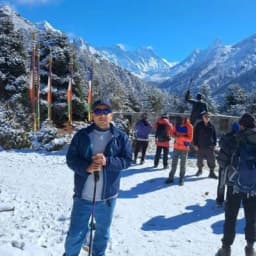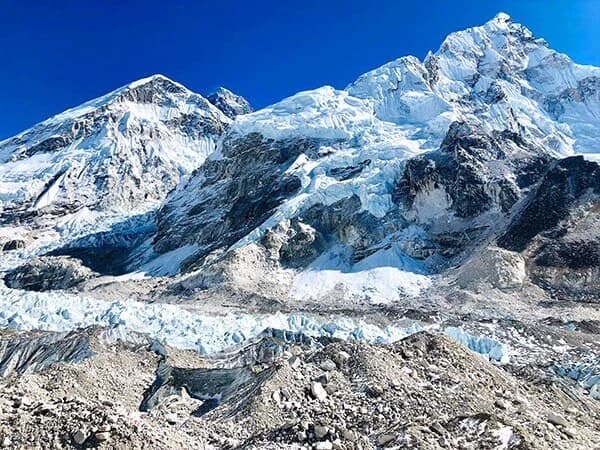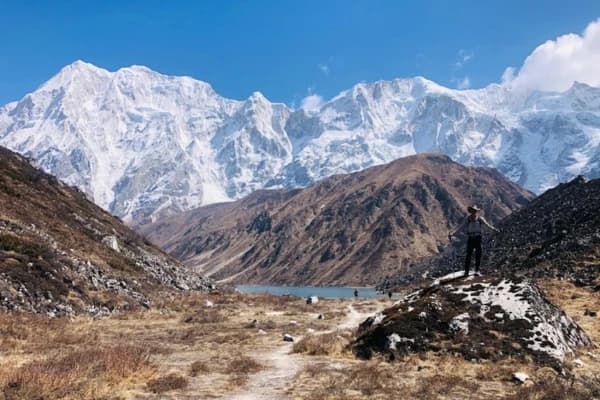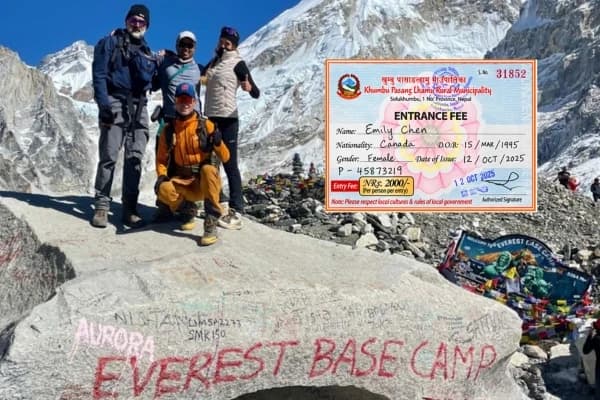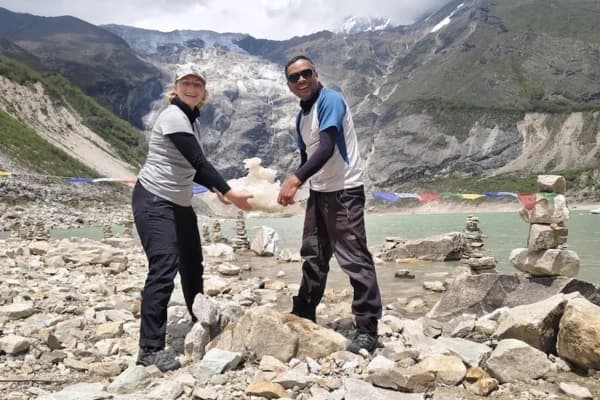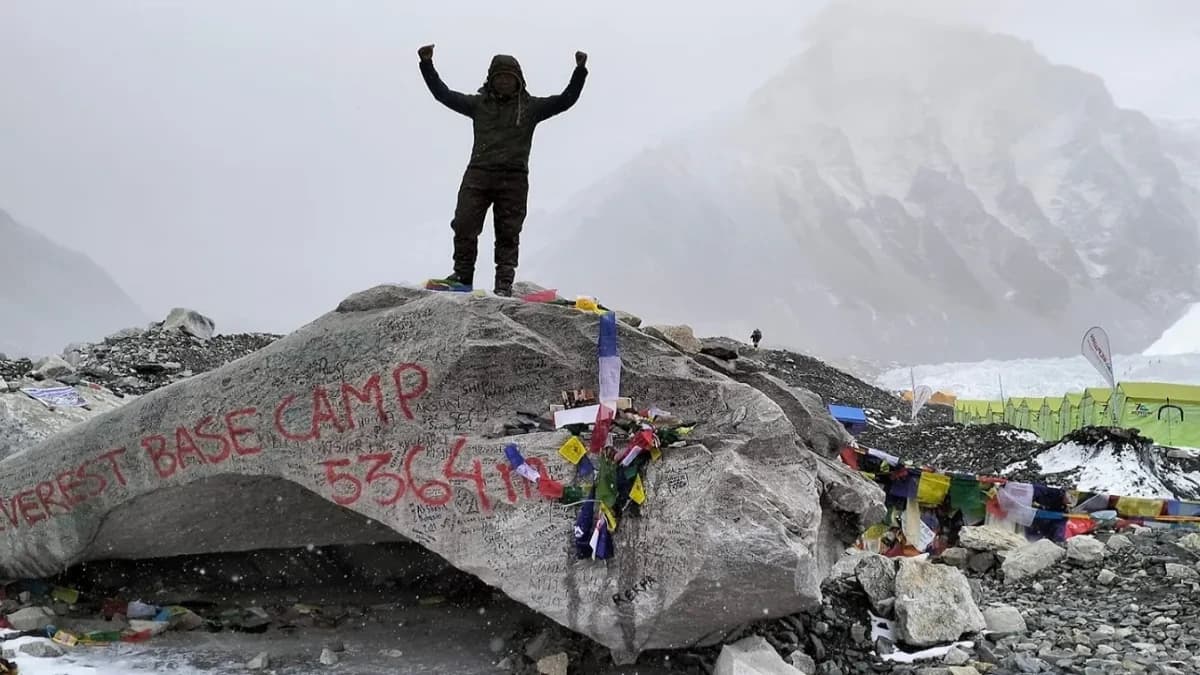
Yes, you can still trek to Everest Base Camp alone in 2026, but the rules are somewhat complex. While most of Nepal now requires a guide, the Khumbu local leaders still let you walk solo if you have the right Trek Card permit. However, being "legal" is not the same as being safe.
The trail from Lukla Airport to the base of Mount Everest is both long and steep. When you climb above Namche Bazaar, the air becomes extremely thin. The high elevation can result in altitude sickness (AMS), which feels like a bad flu but is much more serious.
A guide from an agency like Nepal Gateway Trekking serves as your eyes and ears. It's like having a "Himalayan guardian" who knows every rock and shortcut along the way. They monitor your breathing and ensure you drink enough water. They also know the owners of the Sherpa Teahouse personally.
In this blog, we'll go over the benefits, difficulties, costs, and best times to visit Everest Base Camp on your own.
What Does “Solo Trekking” Mean for Everest Base Camp Today?
Today, "solo trekking" means that you are an independent trekker who has hired a private, licensed trekking guide. You are solo trekking to Everest Base Camp because you don't have to join a big group of strangers.
You can still set your pace and enjoy the quiet mountains. However, the law now requires you to join a small team led by a local expert. This helps you follow the 2026 regulations and ensures you don't "get stuck between a rock and a hard place" if something goes wrong.
Can You Trek Everest Base Camp Completely Alone?
No, you cannot go to the Everest Base Camp trek alone if you are a foreign trekker. Since the big rule change in 2023, foreign visitors must have a guide to trek in Sagarmatha National Park.
If you attempt to walk without a guide, checkpoints in Lukla or Namche Bazaar may stop you and instruct you to return.
- Foreign Trekkers: You must hire a guide through a registered agency. This is the only way to get your TIMS Card (or the new digital equivalent) and enter the high-altitude trails.
- Nepali Trekkers: You can still trek independently without a guide. However, we still advise against trekking alone. The Himalayan weather is unpredictable, and it is always better to have a friend nearby.
The Big Difference: Fully Solo vs. Independent Solo
|
Trek Type |
Is it legal in 2026? |
Who is with you? |
Why choose this? |
|
Fully Solo |
No (For Foreigners) |
Nobody |
Too Risky: No one to help if you get sick. |
|
Independent Solo |
Yes (Legal) |
1 Private Guide |
Best Choice: You get total freedom plus safety. |
If you’re unsure whether solo trekking to Everest Base Camp is right for you, feel free to reach out to Nepal Gateway Trekking. We’re happy to guide you even if you’re just in the planning stage.
Nepal’s Mandatory Guide Rule Explained (2026 Update)
As of April 1, 2023, and strictly enforced through 2026, the Nepal Tourism Board requires all foreign trekkers to hire a licensed guide for high-altitude routes like Everest Base Camp.
This "One Trekker, One Guide" policy ensures immediate safety support, provides faster emergency rescue access, and creates fair employment for the local Sherpa and mountain communities.
Table: Old vs. New Solo Trekking Rules (2026 Reality)
|
Aspect |
Before 2023 |
After 2023 (currently 2026) |
|
Trekking Alone |
Widely Allowed |
Restricted (Technically banned in most parks) |
|
Guide Status |
Fully Optional |
Mandatory (Strictly enforced in Langtang/Annapurna) |
|
Permit Source |
Individual (TIMS) |
Agency-Only (New TIMS system) |
|
Safety Tracking |
Paper-based |
Digital Trek Card (Khumbu region) |
|
Penalty |
None |
Denied entry at checkpoints or heavy fines |
Meet the Nepal Gateway Trekking team: local guides who know the Everest trail by heart. From Lukla to Everest Base Camp, we walk with you, watch your pace, and help you reach EBC safely and confidently.
Is Solo Trekking to Everest Base Camp Safe?
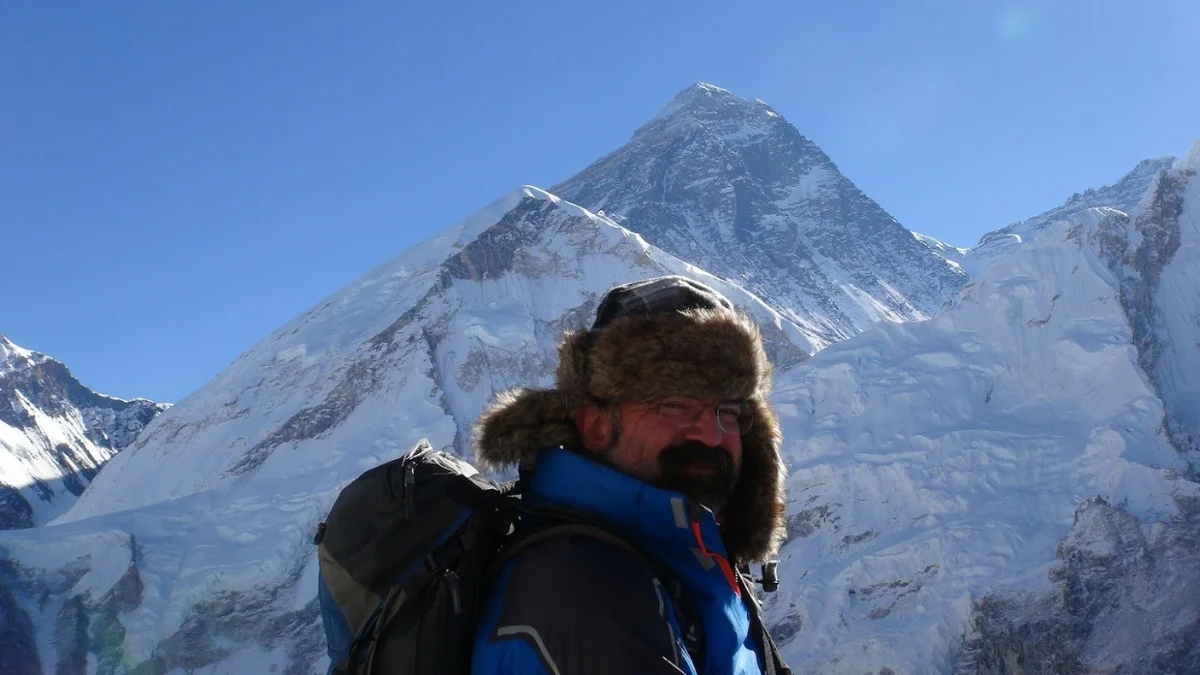
Solo trekking to Everest Base Camp is generally safe, as long as you hire a licensed guide to help you manage risks such as altitude sickness (AMS) and unpredictable mountain weather.
Here are some major safety risks on the EBC trail:
- Altitude Sickness (AMS): This represents the most significant risk. Above Namche Bazaar, the air is thin. You might feel a headache or feel sick to your stomach. If it gets bad, it can turn into HAPE / HACE, which are very dangerous.
- Wild Weather: One minute it’s sunny, and the next, a snowstorm hits. In places like Lobuche, you can lose your way in a "white-out" very quickly.
- Tired Legs: Walking for 5 or 6 hours every day is "no walk in the park." When you get tired, it’s easy to slip on the rocky ground or twist an ankle.
- The "Khumbu Cough": The air is so dry and cold that it can hurt your throat. It makes breathing feel like you are swallowing "dry sand".
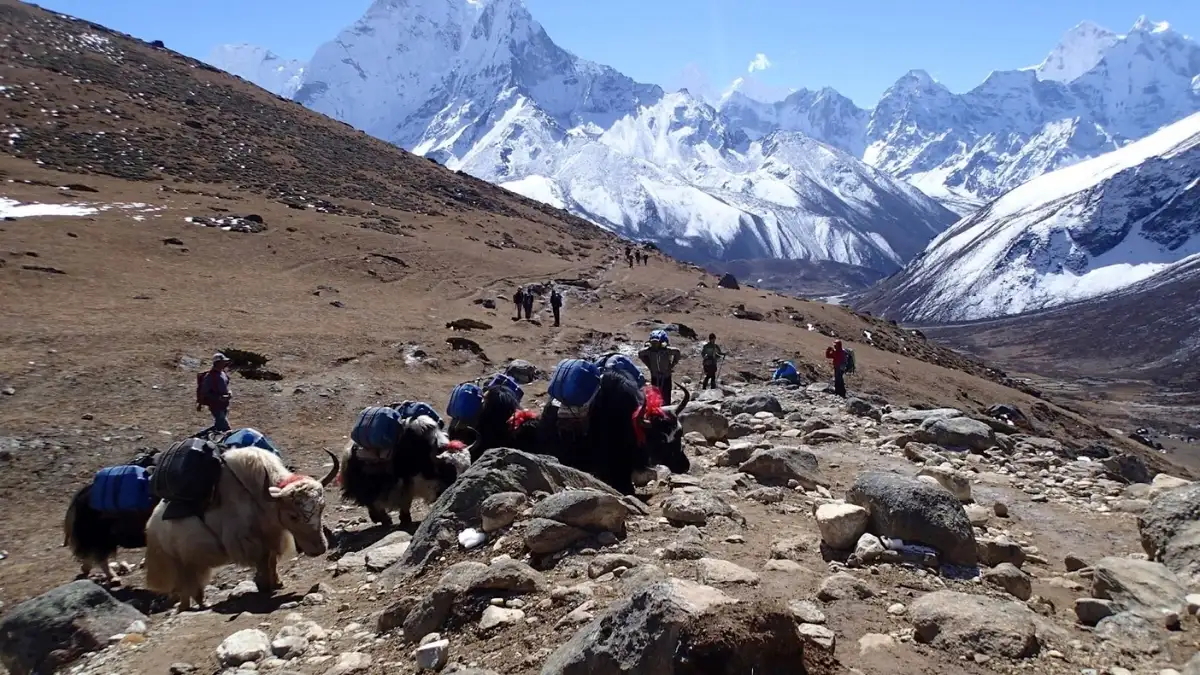
- Animal Traffic: The trail is full of yaks and zopkyos. Always stay on the "wall side" of the mountain when they pass. If you stand on the cliffside, they might accidentally knock you off!
Can a Solo Female Trekker Do Everest Base Camp Safely?
Yes, a solo female trekker can safely trek to Everest Base Camp by hiring a licensed guide. The trail is filled with activity during the busy spring and autumn. You will meet many other women from all over the world at the tea houses in Namche Bazaar and Dingboche.
The local Sherpa people and the Himalayan people are very protective and respectful of women. In our culture, guests are like gods. Having a licensed trekking guide from Nepal Gateway Trekking means you have a "Himalayan brother" to watch your back, handle your Trek Card paperwork, and ensure your room is locked and safe every night.
Key Safety Points for Our Sisters
- Local Guardian: Your guide acts as your security and your bridge to the local culture.
- Social Trails: You’ll find a community of trekkers at every stop, from Phakding to Gorak Shep.
- Respectful Vibes: Sherpa communities are famous for being kind and polite to solo travellers.
- Safe Lodging: Most teahouses are family-run. They provide private, lockable rooms that ensure a peaceful sleep.
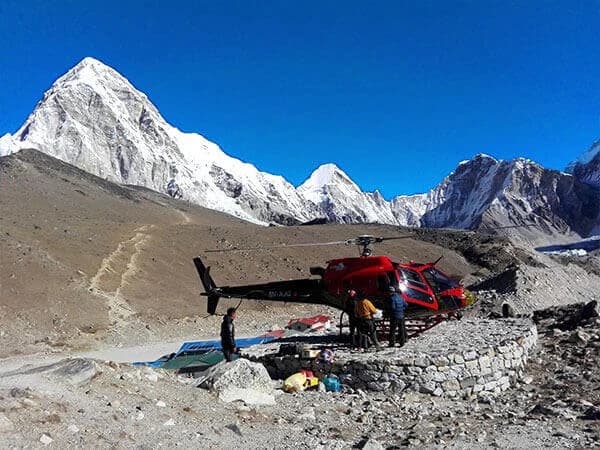
- Emergency Support: If you get a headache or feel weak, your guide can call for a helicopter rescue in minutes.
Practical Safety Tips
- Beat the Sunset: Always try to reach your next lodge by 3:00 PM. Trekking in the dark is strongly discouraged.
- Dress Modestly: Covering your shoulders and knees is a sign of respect when walking through villages or near Tengboche Monastery.
- Stay Connected: Grab a local Ncell or NTC SIM card in Kathmandu so you can call home from the ridges.
- Trust Your Gut: If a place feels "off," just move to the next lodge. There are plenty of options!
Want to know who we are and how we trek in Nepal? Get to know Nepal Gateway Trekking: a local team guiding travellers safely through the Himalayas.
Difficulty Level of Everest Base Camp for Solo Trekkers
If you are planning to go "solo" (Everest Base Camp without a guide), you need to know that the Everest Base Camp trek is a "test of grit". It is not a technical climb; you won't need ropes or ice axes. However, symptoms of altitude sickness and the Everest Base Camp trek difficulty make your heart race like a steam engine.
- The Big Climb: You start at Lukla (2,860 m) and climb to Base Camp at 5,364m. If you trek up to Kala Patthar for the sunrise, you’ll hit 5,545 m.
- Thin Air: At the top, there is 50% less oxygen than at sea level. Every step feels like you are walking through "thick mud", and you may suffer from altitude sickness at EBC.
- Daily Grind: You will be walking for 5 to 7 hours every day on rocky, uneven ground and steep stone stairs.
Our guides and porters are the backbone of every Himalayan journey. Read more about the role of guide and porter while trekking in the Everest region.
Is Everest Base Camp Trek Hard for Solo Trekkers?
Everest Base Camp is moderate to challenging for solo trekkers. You don't need to be a pro athlete, but your legs will surely feel the "burn". If you have a guide, you don't have to worry about the path, but your body must do the work.
Tip: If you can comfortably walk for several hours while carrying a small rucksack from home, you'll be ready for this adventure!
Required Permits for Solo Trekking to Everest Base Camp
In 2026, the paperwork for the Everest region trek is a bit unique. Unlike other parts of Nepal that use the standard TIMS card, this region has its own system. Even if you want to walk "solo" (with your private guide), you must show these three "EBC trek permits" at the checkpoints in Lukla and Monjo.
Mandatory Permits Checklist:
- Sagarmatha National Park Permit: This is the entry ticket to the UNESCO World Heritage Site where the Khumbu region lies.
- Khumbu Pasang Lhamu Rural Municipality Permit: This is a local tax that directly supports the people and trails of the Everest region.
- The 2026 Trek Card: This is the new digital tracking system issued in Lukla to make sure every traveler is safe.
Table: Permit Cost Breakdown (2026 Official Rates)
|
Permit Type |
Cost (Foreigners) |
Where to Get It? |
|
Sagarmatha National Park |
NPR 3,000 + 13% VAT |
Kathmandu or Monjo |
|
Khumbu Municipality |
NPR 3,000 |
Lukla or Monjo |
|
Digital Trek Card |
Included in local fees |
Lukla Gate |
Local Tip: Don't let anyone sell you a "Green TIMS card" for Everest in 2026. The local municipality has replaced it.
If you’re planning other treks in Nepal, you may also find our permit guides helpful, including Annapurna Base Camp, Annapurna Circuit, Pikey Peak, and Langtang Gosaikunda treks.
Cost of Solo Trekking to Everest Base Camp (With a Guide)
The budget planning for Everest Base Camp is like "climbing a ladder": the higher you go, the more expensive things like a Snickers bar or a hot shower become. Since the 2023–2026 rule change, you must have a licensed guide. This procedure adds to your budget, but it is a "safety net" that is worth every rupee.
For a 12-to-14-day trip, your total cost will likely be between USD 1,200 and USD 1,600 (roughly NPR 160,000 to 215,000).
Daily Expense Breakdown
|
Expense Item |
Average Cost (2026) |
Why the price varies? |
|
Food & Lodge |
$45–$55 / day |
Prices rise as you get closer to Gorak Shep. |
|
Licensed Guide Fee |
$30–$40 / day |
Includes their wages, food, and staff insurance. |
|
Lukla Flights |
$440–$500 |
Round trip from Kathmandu or Ramechhap. |
|
The "Hidden" Costs |
$5–$10 / day |
Battery charging, Wi-Fi, and hot gas showers. |
Why These Costs Matter: Hiring a guide and paying for permits goes beyond paperwork. You're aiding trail maintenance, supporting Sherpa schools, and ensuring rescue assistance if needed. It's an investment in your safety and our culture.
Curious about how much it really costs to climb Mount Everest? Explore a clear cost breakdown covering permits, guides, logistics, and safety support.
Best Time to Solo Trek Everest Base Camp
If you are walking alone with your guide, the Himalayan weather patterns can either be your ally or your greatest challenge. The high-altitude seasons are still the most reliable times to aim for the best Everest region treks, including the EBC trek.
Below are some of the best times for trekking to EBC for a solo trekker:
Best Seasons
- Spring (March–May): This is the season of color! The forest below Namche Bazaar turns red with blooming rhododendrons. The days are warm, and you’ll share the trail with world-class climbers heading for the summit.
- Autumn (September–November): This is the "Gold Standard" for trekking. After the monsoon rains wash the dust away, the air is "sharp as a knife" and crystal clear. It is the best time for photography at Kala Patthar.
Seasons to Avoid
- Monsoon (June–August): We don't recommend this for solo travelers. It rains a lot, the trails are slippery, and the mountain views are often hidden behind thick clouds. Plus, flights to Lukla often face long delays.
- Winter (December–February): It is brutally cold. Nights at Gorak Shep can drop below -20°C. While the skies are blue, many high-altitude lodges close for the season.
Want to know the best time to trek in Nepal? Learn the ideal seasons for Kanchanjunga Circuit, Manaslu Circuit, Mohare Danda & Khayar Lake, and the Everest High Pass Trek.
Benefits of Solo Trekking to Everest Base Camp (With a Private Guide)
Despite the legal requirement for a guide, the experience of trekking "solo", i.e., without a large group of strangers, is truly transformative. It turns a standard holiday into a personal journey of the soul.
- Adaptable Schedule: With acclimatization days, you have the freedom to stay in Tengboche and enjoy an additional day in the serene chants of the monks. There's no rush from the group leader to keep you on a strict timeline.
- Personal Pace: Some days you feel like a "mountain goat," while other days your legs feel like lead. With a private guide, you control the speed. There will be no racing to keep up with faster trekkers.
- Deeper Connections: When it’s just you and your guide, you become part of the family at the tea houses. You’ll learn the real stories of the Sherpa people that noisy groups often miss.
- Personal Achievement: Reaching Everest Base Camp on your terms feels like a massive victory. It's about testing your "grit."
Comparison: Solo with Guide vs. Group Trek
|
Factor |
Solo with Private Guide |
Large Group Trek |
|
Flexibility |
Maximum (You are the boss.) |
Low (Must follow the plan) |
|
Pace Control |
Full (Stop whenever you want) |
Fixed (Must match the group) |
|
Cultural Depth |
High (Personal 1-on-1 time) |
Medium (Focus on the group) |
|
Daily Choice |
Pick your own lodges/meals |
Pre-arranged set menus |
If you’re thinking about trekking alone, you might also like our guide on solo trekking to Gorepani Poon Hill.
Should You Solo Trek Everest Base Camp or Join a Group?

In 2026, "solo" doesn't mean being completely alone: it means you have a private guide instead of a big group of strangers. It’s about choosing between freedom and friendship.
Choose Solo (with a Private Guide) If:
- You value flexibility: if you want to sleep in late or spend three hours taking photos of a yak, nobody will stop you.
- You prefer personal space: after a long day of walking, maybe you just want to read a book in peace rather than chatting with 15 other people.
- You want a customized trek: you can choose exactly the lodges you like and skip the ones you don't.
- You are a "mountain goat": if you are very fast (or very slow), a private guide will match your heartbeat rather than the group's average speed, which is critical for high-altitude rescue.
Choose a Group Trek If:
- You want social interaction: if you love making new friends from around the world, group trips are like "moving parties."
- You prefer fixed logistics: everything from your flight to your soup is pre-ordered. You just show up and walk.
- You’re on a tighter budget: you split the cost of the guide and porter with others, which saves you a few hundred dollars.
Check the Nepal Tourism Board travel guidelines for the EBC trek for the latest rules and updates.
FINAL THOUGHTS
Solo trekking to Everest Base Camp is absolutely possible and safe when done correctly, following Nepal solo trekking rules and Everest Base Camp trek regulations. While the days of walking alone are long gone, hiring a licensed guide allows you to enjoy the benefits of both independence and security.
In 2026, the Khumbu is more welcoming than ever. With the right permits, a sturdy pair of boots, and a friendly guide by your side, reaching the base of the world's highest peak will be the "crown jewel" of your life's adventures. Don't let the fear of going "alone" stop you; the mountains are waiting to welcome you home!
Ready to trek to Everest Base Camp? Contact Nepal Gateway Trekking now to plan your EBC adventure with licensed guides, safe routes, and reliable support from Lukla to Base Camp.
FAQ: Solo Trekking to Everest Base Camp
Is solo trekking to Everest Base Camp allowed in Nepal?
No, since April 2023 and continuing through 2026, the Nepal Tourism Board has made it mandatory for all foreign trekkers to hire a licensed guide. You are still allowed to trek alone in spirit (without a big group), but a professional Himalayan guide must accompany you for legal and safety reasons.
Why did Nepal make guides mandatory for solo trekkers?
The government introduced this rule to stop the high number of missing person cases and to ensure immediate help if someone gets injured or sick. It also creates vital jobs for the local Sherpa community and helps protect our fragile mountain environment.
How dangerous is altitude sickness on the EBC trek?
Altitude sickness, or AMS, is a very real danger as you climb above 3,000m toward Gorak Shep, and it can be life-threatening if ignored. However, it is very manageable if you follow a slow acclimatization schedule and listen to your guide's advice.
What is the minimum fitness level required for solo EBC trekking?
You don't need to be a professional athlete, but you should have a "moderate" level of fitness and be able to walk for 5 to 7 hours a day with a light pack. Building your stamina with cardio exercises and long walks before you arrive in Kathmandu will make your journey much more enjoyable.
How much does a solo Everest Base Camp trek cost?
In 2026, a 14-day private trek with a guide typically costs between USD 1,200 and USD 1,600. This budget covers your Lukla flights, mandatory permits, meals, and your guide’s daily wages.
Is Everest Base Camp safe for first-time trekkers?
Yes, it is very safe for beginners because the trails are well-marked and there are plenty of teahouse lodges along the way. Having a guide makes it even safer, as they monitor your health and handle all the logistics for you.
What happens if I trek without a guide in the Everest region?
If you try to bypass the checkpoints in Monjo or Lukla without a guide, you will likely be stopped and denied entry. You may also face heavy fines or be forced to return to Kathmandu immediately.
Which season is safest for solo trekking to EBC?
The Autumn (September–November) and Spring (March–May) seasons are the safest because the weather is stable and the skies are clear. These months offer the best grip on the trails and the lowest risk of getting stuck in a mountain storm.