Quick Summary
- Ascend gradually and tell your guide the moment something feels off.
- Weather can turn fast; check conditions daily, and expect extra hazards in monsoon and winter.
- Rain makes trails slippery and can trigger landslides or rockfall, so watch your footing.
- Access toward Syabrubesi has been affected by flooding; confirm the current road and trail status before leaving Kathmandu.
- You'll need a licensed guide, a TIMS card, and a national park permit if you're a foreign trekker.
- Get insurance that actually covers high-altitude trekking and emergency evacuation.
- Know when to stop, when it's time to head down, and who to call if things go wrong.
The Langtang Valley Trek can be done safely, but it's a Himalayan trek, and that comes with real risks. Altitude, unpredictable weather, rough trail sections, and road access all play into how safe your trek actually is. None of these should scare you off with the right preparation and a bit of daily judgment; they're manageable.
One thing to flag for 2026: flooding in Rasuwa has damaged parts of the roads and trails near Syabrubesi, so check local conditions before you head out.
This guide walks through the main safety concerns on the Langtang Trek: altitude sickness, changing weather, trail conditions, emergency planning, what to pack, and the current access situation.
Is the Langtang Valley Trek Safe?
Yes, it can be done safely with the right preparation, but it isn't risk-free. The Langtang Valley Trek difficulty is usually rated moderate, though altitude means even fit walkers need to prepare properly. The main route climbs to about 3,860 m at Kyanjin Gompa, and side trips like Tserko Ri go higher still, to around 5,000 m.
How safe your trek turns out to be comes down to acclimatization, weather, trail conditions, and whether you're willing to change your plans when needed. To see how ascent days are typically spaced out, take a look at the Langtang Valley Trek itinerary.
Is Langtang Valley Trek Safe for Beginners?
Plenty of beginners complete this trek without trouble, as long as they prepare properly. Previous high-altitude experience helps, but you don't need it going in. What matters more is a realistic pace, some physical preparation beforehand, and actually following your guide's advice on acclimatization.
Don't underestimate altitude, though it can affect anyone, regardless of fitness level. If you have a heart condition, lung condition, or other medical concern, talk to a doctor before you book. This trek won't suit everyone.
What Are the Main Safety Risks on the Langtang Trek?
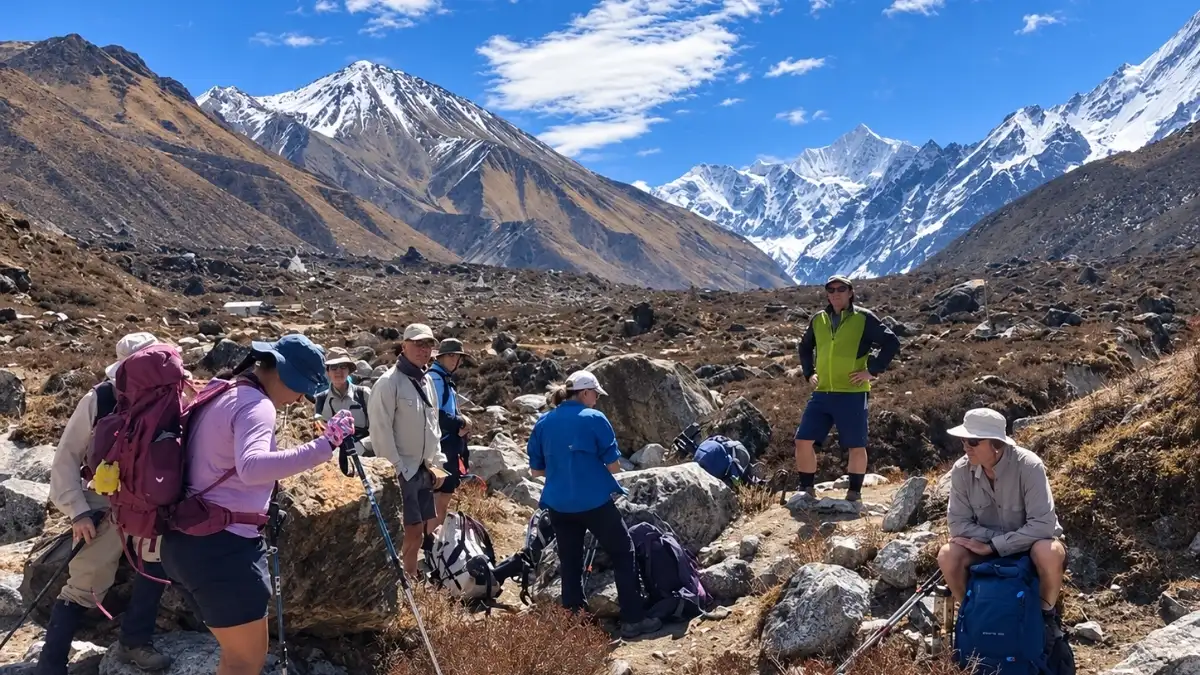
Four things shape safety on this route. Each gets a closer look further down.
- Altitude: Acute mountain sickness (AMS) is the main health concern here. In severe cases, it can progress to high-altitude cerebral edema (HACE) or high-altitude pulmonary edema (HAPE), and climbing too fast raises that risk.
- Weather: Rain, snow, cold snaps, and sudden drops in visibility can all change how safe a section of trail feels.
- Terrain and natural hazards: Slippery trails, landslides, rockfall, unstable ground, and tricky river or bridge crossings.
- Access and infrastructure: Roads, bridges, and trail sections damaged by the 2026 Rasuwa flood, and shifting access around Syabrubesi.
How Can You Prevent Altitude Sickness on the Langtang Trek?
Being fit won't stop altitude sickness from hitting you. What actually helps is climbing gradually, being honest about symptoms, and stopping when you need to.
- Go up slowly: Guidance from the US Centers for Disease Control and Prevention (CDC) and the Wilderness Medical Society (WMS) suggests that above roughly 3,000 m, your sleeping altitude shouldn't rise more than about 500 m a night, with a rest day roughly every three to four days.
- Skip the rapid gains; that includes rushing side trips.
- Check in with yourself daily, and tell your guide the moment something feels off.
- Skip alcohol while you're still acclimatizing.
- Talk to a doctor about whether preventive medication makes sense for you. It isn't the right call for everyone.
What Are the Symptoms of Altitude Sickness?
The common symptoms of Altitude Sickness ones are headache, nausea, dizziness, fatigue, trouble sleeping, and a lack of appetite. Even mild symptoms are worth paying attention to, because they can get worse if you keep climbing.
Some signs mean you need to act fast:
- confusion
- trouble with coordination, like struggling to walk in a straight line
- feeling breathless even at rest
- symptoms that are getting worse instead of better
These can point to HACE or HAPE. Only a doctor can confirm that, so out on the trail, treat them as an emergency and act accordingly.
What Should You Do If You Get Altitude Sickness?
Stop climbing and tell your guide right away. From there:
- Rest and keep an eye on your symptoms. Don't gain any more altitude while they're getting worse.
- Head down if things become severe or don't improve.
- Get medical or emergency help if it's needed.
Going down is the real treatment for serious altitude illness; resting alone won't cut it once symptoms are severe. Nobody with serious symptoms should be left by themselves or allowed to sleep at a higher point.
Kyanjin Gompa and Tserko Ri Altitude
Kyanjin Gompa sits at about 3,860 m. Tserko Ri is quite a bit higher, at around 5,000 m, so it's a serious step up from Kyanjin Gompa. Giving yourself proper time to acclimatize before that climb helps reduce the risk, and your guide can adjust the timing depending on how you and the group are feeling.
How Does Weather Affect Langtang Valley Trek Safety?
The higher you go, the colder and less predictable things get. Weather on the Langtang Trek can shift within a matter of hours, changing how slippery the trail is, how far you can see, and how cold it feels. The sun is also stronger up here, so sunscreen and sunglasses matter even when it's chilly out.
Langtang Trek Weather by Season
Here's what tends to matter each season.
|
Season |
Main safety concerns |
|
Spring (March-May) |
Generally pleasant, but mountain weather can still shift without much warning |
|
Autumn (October-November) |
Usually the most stable stretch, though conditions still deserve attention |
|
Monsoon (June-September) |
Rain, slippery trails, landslides, poor visibility, and disrupted access |
|
Winter (December-February) |
Cold temperatures, snow higher up, and tougher trail conditions |
Trekking Langtang Valley during the monsoon? It's doable, but landslides, leeches lower down, and road disruption raise the stakes and leave less room for delays. Winter has its own crowd of trekkers too; just expect cold, snow, and shorter days, so good gear and a flexible schedule matter more than usual.
What Is the Best Time for a Safer Langtang Trek?
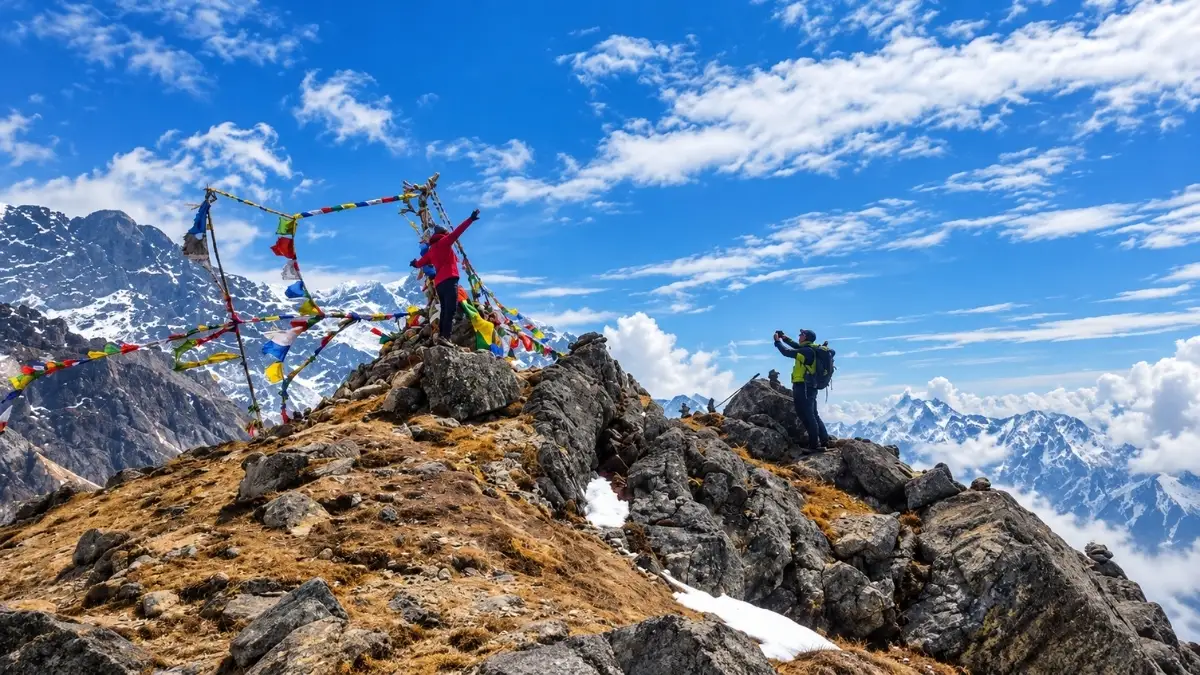
The best time for the Langtang Valley Trek is generally March to May and October to November, according to the Nepal Tourism Board (NTB). That said, no season is completely risk-free.
Whenever you go, check the weather forecast and local trail conditions each morning, and hold off on higher side trips if visibility or weather starts to turn.
Is Langtang Valley Trek Currently Accessible?
Access is disrupted right now, and the situation keeps shifting. As of September 21, 2026, the latest reports describe the road toward Syabrubesi as damaged, with parts of it still closed. Don't assume the usual Kathmandu–Syabrubesi route is open and running.
It's worth separating the destination from the route to getting there. The Trekking Agencies' Association of Nepal (TAAN), as reported by The Tourism Times, described the Langtang and Kyanjin Valley areas themselves as safe, while the road toward Syabrubesi remained closed. Take that as a general picture rather than a guarantee of what you'll find on any given day.
How Did the 2026 Flood Affect Access?
On August 26, 2026, a flood tore down the Bhote Koshi River corridor in Rasuwa District, damaging Syabrubesi, Timure, and nearby areas. The Kathmandu Post reported in early September that roads, bridges, and trails linking Syabrubesi and Langtang with Dhunche had been cut off. Langtang itself, according to those reports, wasn't directly hit.
Repairs are underway, and things can change as that work continues. There are alternative approaches, but they tend to be longer and depend heavily on local conditions, so check with your operator rather than going off a general description.
What Should Trekkers Check Before Departure?
Monsoon landslides and floods can shut down highway sections with little warning, so an old itinerary, a blog post, or an old booking confirmation won't tell you much about current road status.
- Confirm current road access to the trailhead.
- Confirm current trail and bridge conditions and whether lodges along the route are open.
- Ask your trekking operator for the latest route information in writing, including what happens if the route changes.
- Check current advisories from the NTB and from your own government.
- Confirm again shortly before leaving Kathmandu, and once more on the morning you travel.
- Don't try to get around official closures or unstable routes on your own.
How Can You Stay Safe on the Langtang Trail?
Staying close to your guide and reading the conditions as you go covers most of this.
- Stick with your guide or group rather than trying unofficial shortcuts.
- Watch your footing on wet or slippery ground, especially stone steps and forest paths after rain.
- Give unstable slopes a wide berth, and don't hang around underneath areas where rockfall is likely.
- Let your guide take the lead at river and bridge crossings.
- If a section feels exposed or unstable, leave the call on crossing it or rerouting to your guide.
- If weather or visibility starts turning on a high-altitude side trip, that's your cue to turn back, not push through.
- Tell your guide before wandering off, even for a few minutes.
How Should You Prepare Physically for the Langtang Trek?
Training beforehand makes the trek more comfortable and lowers your chance of a fatigue-related injury. It won't stop altitude sickness, though.
- Get in regular walks, working up to longer ones with a daypack.
- Add some hill or stair climbing to build leg strength.
- Practice on uneven ground.
- Break in your trekking boots well ahead of time.
If you have a medical condition or any concerns about altitude, talk to a healthcare professional before you go.
What Should You Pack for Langtang Trek Safety?
This list focuses on safety gear for changing weather, cold, and emergencies, not a full packing list for the trip.
- Waterproof trekking boots, already broken in
- Layered clothing plus a warm insulated jacket
- Rain and wind protection
- Warm hat and gloves
- Sunglasses and high-SPF sunscreen
- Trekking poles
- Headlamp with spare batteries
- Basic first-aid supplies and any personal medication
- Power bank
- Passport, permits, and insurance details, kept in a waterproof pouch
- Water purification tablets or a filter
For drinking water, stick to treated, filtered, or otherwise safe water, and steer clear of untreated natural sources. Getting a stomach bug can wear you down and make it harder to tell what's altitude and what isn't.
Do You Need a Guide, Permits, and Travel Insurance?
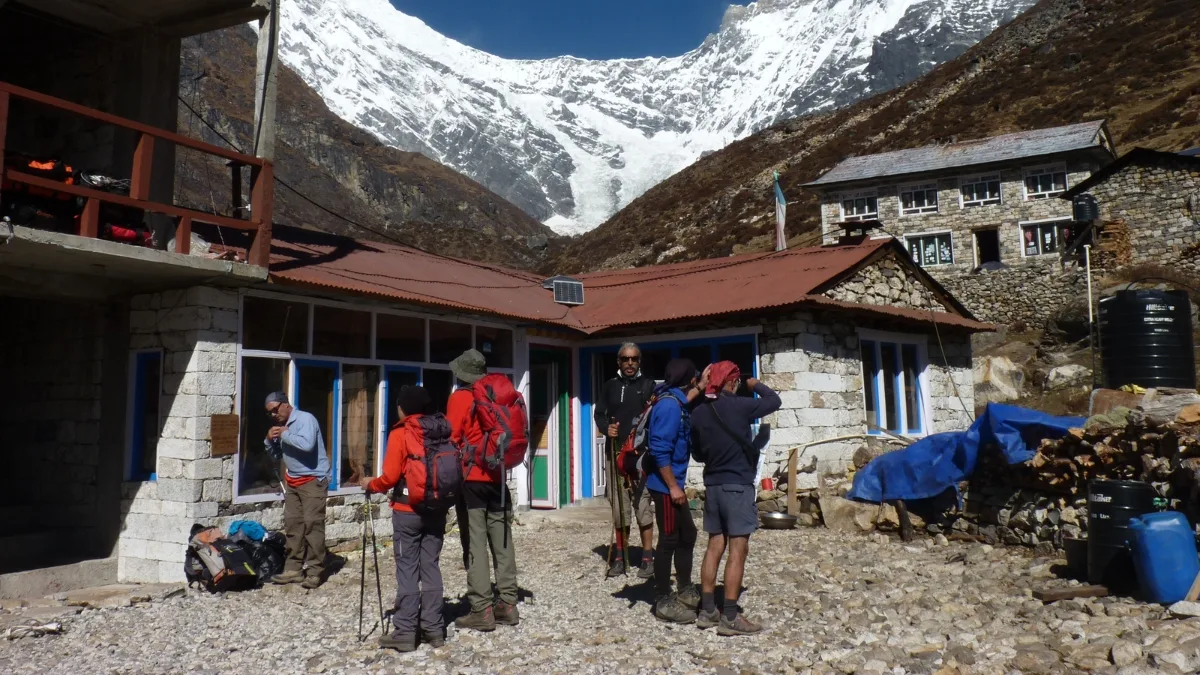
These are three separate questions, and the answers aren't all the same.
Do You Need a Guide for Langtang Trek?
Yes, if you're a foreign trekker. The NTB lists Langtang among the routes that require a licensedtrekking or travel guide and an agency-issued TIMS card, so trekking independently isn't really an option here. A guide also helps with pacing, spotting altitude symptoms, reading the weather, and knowing the latest on route conditions. Rules can shift, so double-check with your agency before you go.
What Permits Are Needed?
You'll need a TIMS card and a Langtang National Park entry permit; agencies typically sort out both. Current NTB fees, in Nepalese rupees (NPR):
|
Permit |
Foreign visitors |
SAARC visitors |
|
Langtang National Park entry |
NPR 3,000 (USD ~$19.56) |
NPR 1,500 (USD ~$9.78) |
|
TIMS |
NPR 2,000 (USD ~$13.04) |
NPR 1,000 (USD ~$6.52) |
SAARC covers visitors from South Asian Association for Regional Cooperation countries. Fees can change, so confirm before you travel.
Do You Need Travel Insurance?
It's not a formal requirement the way the guide and TIMS card are, but comprehensive travel insurance is an important safety net. Some operators will ask to see proof of cover, so check with yours. Your policy for the Langtang Trek should include:
- High-altitude trekking cover
- Cover up to your maximum trekking altitude, including any Tserko Ri side trip
- Emergency medical treatment
- Emergency evacuation, including helicopter evacuation where it applies
Read the exclusions closely, especially anything about altitude limits or the conditions under which evacuation kicks in. Keep your policy number and your insurer's emergency line somewhere you can actually get to.
What Should You Do in a Langtang Trek Emergency?
Stay calm, tell your guide right away, and get to lower ground or medical help if symptoms are serious.
- Stop and figure out what's going on.
- Tell your guide immediately.
- Move away from any immediate hazards if you can.
- Stop climbing if altitude symptoms are getting worse.
- Head down if severe altitude illness looks likely.
- Get in touch with emergency or medical support, usually through your guide, operator, and insurer.
- Follow evacuation advice when it makes sense medically and logistically.
Helicopter evacuation isn't something anyone can guarantee. It depends on weather, location, what's operationally possible, and your medical and insurance situation.
A few useful numbers for Nepal: the Tourist Police hotline (1144, toll-free), Nepal Police (100), and ambulance services (102). Keep your operator's emergency contact and your insurer's number on you too, since mobile coverage on the trail can be patchy.
When Should You Turn Back?
Turn back, or at least stop for the day, if you notice:
- altitude symptoms getting worse
- severe weather or poor visibility
- unstable trail conditions
- a significant injury
- official warnings about access or the route
Talk it through with your guide, and don't head off alone to keep going.
How Can You Choose a Trekking Operator for Langtang?
Since a licensed guide is required either way, picking the right operator is really part of your safety planning. No company can remove mountain risk entirely, but a good one makes preparation and decision-making a lot easier. Before you book, check whether the company:
- is properly registered and licensed
- uses licensed guides with first-aid or wilderness safety training
- can explain its emergency procedures and how it coordinates evacuation with your insurer
- communicates clearly if a route gets disrupted
- is upfront about permits, insurance, and what's included
- has current road and trail information and a plan for handling route changes
Nepal Gateway Trekking is one of the trusted and registered trekking agency in Nepal. We have published our registration legal documents details to make your concern dissapear.
Final Thoughts
Safety on the Langtang Valley Trek really comes down to preparation and making good calls along the way: acclimatizing gradually, staying weather-aware, packing the right gear, being careful on the trail, sorting out your guide and permits, getting proper insurance, and having a plan for emergencies. With the 2026 flood still affecting access, it's worth confirming road and trail conditions right before you leave.
If you want to discuss current conditions before booking, you can plan your Langtang adventure with Nepal Gateway Trekking. Contact us today!
Frequently Asked Questions
Is Langtang Valley Trek safe for beginners?
For most beginners, yes, as long as they prepare properly and go with a licensed guide who paces the acclimatization sensibly. It's usually rated a moderate trek, but being fit won't protect you from altitude sickness; the risk is the same for everyone. If you have any medical concerns, check with a doctor before you book.
Is altitude sickness common on the Langtang Trek?
It can happen to anyone gaining altitude, and it doesn't discriminate by fitness level or age. Climbing slowly, being honest with your guide about symptoms, and heading down if things get worse are what actually protect you.
Do I need a guide for the Langtang Trek?
Yes. Foreign trekkers need a licensed guide and an agency-issued TIMS card for Langtang under current NTB rules. These things can change, so it's worth confirming with your agency shortly before you travel.
Is Langtang Valley Trek currently accessible?
Not fully; no. As of September 21, 2026, the road toward Syabrubesi and the links to Dhunche are still reported as damaged from the August 2026 flood, and repairs are ongoing. Check with your operator and look at current advisories before you commit to travel dates.
Is Langtang Valley Trek safe after the 2026 Rasuwa flood?
The upper Langtang trekking trail was not directly damaged by the August 26, 2026 flood, but access remains a safety concern. Syabrubesi and sections of the road network were severely affected, so trekkers should not assume the usual route is operating normally. Check the latest update with your trekking agency and local authorities before travelling.
How does a guide help keep you safe on the Langtang Trek?
A licensed guide helps monitor your pace, altitude gain, weather, trail conditions, and symptoms of altitude sickness. They can also help with route decisions, accommodation, communication, and emergency arrangements if conditions change. For foreign trekkers, travelling with a licensed guide also follows the current trekking requirements for the region.