At 4,410 meters, Dingboche is where the Everest Base Camp trek stops being a walk and starts being a test of patience. This small Sherpa settlement in the Imja Valley is the acclimatization capital of the Khumbu, and almost every trekker heading toward Everest Base Camp spends two nights here before pushing higher.
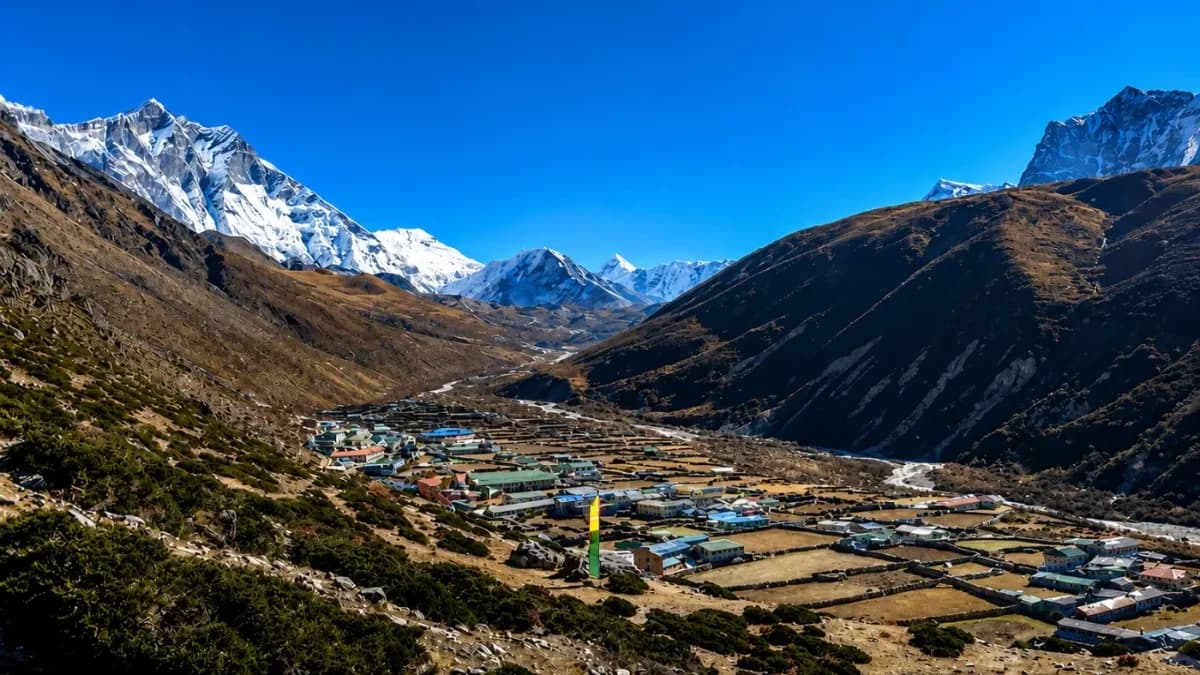
Dingboche, Nepal, sits above the tree line, surrounded by stone-walled potato fields and framed by Ama Dablam's near-vertical ridgeline. Trekkers know it for three things: brutal wind, incredible views, and the mandatory rest day that decides whether the rest of their trek goes smoothly.
This guide covers everything you need to know about Dingboche village: its altitude, weather, viewpoints, Sherpa culture, accommodation, and the acclimatization routine that makes or breaks an Everest trek. Whether you're checking Dingboche, Nepal, weather forecasts before you fly or mapping out each stage of your Dingboche trek, you'll find it here.
Quick Review
- Located at 4,410 m (14,470 ft) in the Everest region.
- The main acclimatization stop on the Everest Base Camp Trek.
- Most trekkers spend two nights here.
- Famous for views of Ama Dablam, Lhotse, and Makalu.
- Popular acclimatization hike to Nangkartshang Peak.
- Gateway to Chukhung and Island Peak.
- Best visited during spring and autumn.
- Offers tea houses, lodges, and basic trekking facilities.
- Serves traditional Nepali, Sherpa, and Western food.
- Helps reduce the risk of altitude sickness.
- Rich in Sherpa culture and Buddhist traditions.
- One of the most scenic villages in the Everest region.
Where Is Dingboche?
Dingboche is in the Imja Valley of the Khumbu region, in Sagarmatha National Park of Solukhumbu District (Koshi Province) at an elevation of 4,410 meters (14,470 ft). The high-altitude Sherpa settlement is situated at a precise latitude of 27°53′37″ N and longitude of 86°49′51″ E (27.8935° N, 86.8309° E) along the Imja Khola River.
It is just off the main trail to Everest Base Camp, lying in a broadside valley, northeast of Tengboche and Pangboche, just beneath the looming Nangkartshang Peak and south of the giant Ama Dablam ridge. It is the gateway leading to Chukhung and Island Peak.
Why Is Dingboche an Important Stop on the Everest Base Camp Trek?
Dingboche is one of the most important stops on the Everest Base Camp Trek and the main acclimatization point before going above 4,500 m. The air is a lot thinner than at sea level at 4,410 meters (14,470 feet), and you have to give your body time to acclimatize. Spend a night in Dingboche to reduce your chances of altitude sickness and to be better prepared for the more difficult parts of the trek.
Why Every Trekker Spends Two Nights Here
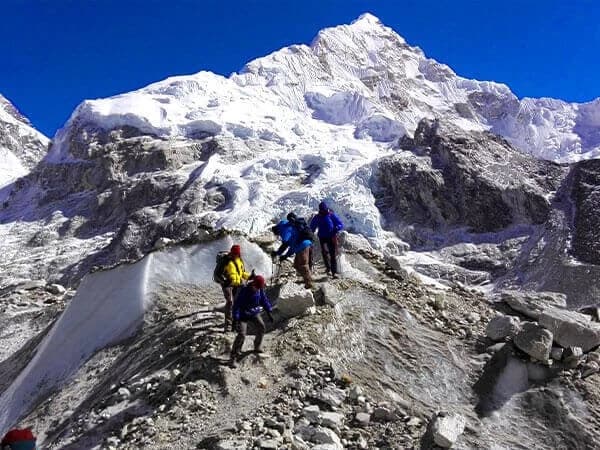
The vast majority of Everest Base Camp itineraries include two nights in Dingboche with one full day of acclimatization. Trekkers are not required to rest all day; instead, they follow the ‘climb high, sleep low’ principle, hiking to Nangkartshang Peak or Chukhung Valley and returning to the village to sleep.
This gradual ascent allows your body to adjust to the thinner air and lowers your risk of AMS (acute mountain sickness), which will give you a better chance of making it through the trek safely and comfortably.
Dingboche is an essential stop before reaching Everest Base Camp. Explore our Everest Base Camp Trek guide to learn about the full route, itinerary, and what to expect on this unforgettable Himalayan journey.
Sherpa Culture and History of Dingboche
Dingboche is more than a height stop on an itinerary, it is a real high-altitude Sherpa settlement where centuries-old Himalayan culture meets modern-day mountaineering history. This village is nestled among the rugged peaks of Ama Dablam and is testimony to the resilience of the Sherpa people who have made a home in one of the most challenging places on the planet. Thus, a day of rest in Dingboche is a major cultural experience, full of history, cultural traditions, and practical function in the logistics of the expedition.
The Sherpa Community
Dingboche is a genuine working Sherpa village with a long cultural history, not a tourist resort.
- Seasonal Lifestyle: The families of the region still pursue traditional agropastoral lifestyles and also run local teahouses during the peak trekking seasons of spring and autumn.
- Winter Migration: Many residents, facing below-zero temperatures and heavy snowfalls, migrate to lower-altitude villages like Pangboche or Tengboche, returning in spring to plant.
Fields of Potatoes and Barley with Stone Walls
The valley floor at Dingboche is a patchwork of low stone walls, hand-built for some useful agricultural purpose.
- Windbreak: These walls protect the staple crops of the Sherpa diet, potatoes and barley, from the savage alpine winds that blow through the Imja Valley.
- Livestock Barrier: They keep yaks and other livestock from browsing in cultivated fields during the short summer growing season.
- Generational Heritage: Each stone has been carefully placed and maintained over generations and has helped preserve valuable topsoil in the fragile high-altitude environment.
Mani Walls and Buddhist Culture
Dingboche culture is closely tied to Tibetan Buddhism (Nyingma School).
- Mani Walls & Prayer Stones: The village entrance and exit feature intricately carved slate stones bearing the Buddhist mantra “Om Mani Padme Hum.”
- Clockwise Custom: As a sign of respect and spiritual harmony, it is local tradition for trekkers to pass mani walls, chortens (stupas), and prayer wheels on their left side (keeping them to the right).
- Sacred Peaks: The local Sherpas regard the surrounding mountains, including Ama Dablam and Lhotse, as sacred peaks, believed to be the homes of protective deities.
Significance in the Past
Dingboche has been a quiet but important part of the history of high-altitude mountaineering since the beginning of the twentieth century.
- 1953 Everest Expedition:Sir Edmund Hillary and Tenzing Norgay passed through this valley on their historic first successful ascent of Mount Everest.
- Scientific work: Dingboche (4,410 m) was an important base for early Himalayan expeditions carrying out high-altitude physiological research and mapping.
- Expedition Center: For more than seven decades the village has hosted legendary climbers, research teams, and trekkers heading into the upper Khumbu.
Role of Dingboche in Island Peak Climbing
Dingboche is not only the usual route to Everest Base Camp but also a key strategic base for mountaineers trying to summit Island Peak (Imja Tse, 6,189 m).
- Trail Junction: In Dingboche, the trail splits: one route heads north to Lobuche and Gorak Shep, while the other heads east to Chukhung (4,730 m).
- Last Major Staging Point: It is the last village where you can find reliable equipment rental shops, a complete teahouse facility, and communication services before heading for Island Peak Base Camp (17,057 ft).
- Climbing acclimatization: Dingboche is a further acclimatization and training stop for many climbers to practice fixed-line and crampon techniques before heading out on the glacier.
Altitude of Dingboche and Acclimatization
Dingboche is at an elevation of 4,410 meters (14,470 feet), making it one of the highest overnight stops on the Everest Base Camp Trek. The air at this altitude has considerably less oxygen than at sea level and increases the chance of acute mountain sickness (AMS) for trekkers who ascend too quickly.
That’s why almost every Everest Base Camp itinerary will have you spend two nights in Dingboche, giving your body the time it needs to acclimatize before pushing on to higher elevations like Lobuche, Gorak Shep, and Everest Base Camp.
How High Is Dingboche?
Dingboche is located roughly 3,600 meters above Kathmandu. Oxygen availability at this elevation drops to around 60% of sea-level concentration, which is why even fit trekkers feel short of breath walking uphill here.
Symptoms of Altitude Sickness
Following are the symptoms of altitude sickness.
- Watch for these early warning signs in Dingboche and above:
- Headache that doesn't ease with rest or water
- Nausea or loss of appetite
- Dizziness, especially when standing up quickly
- Unusual fatigue that sleep doesn't fix
Any of these symptoms getting worse rather than better is a signal to stop ascending, not push through.
Best Acclimatization Tips
Successful Dingboche acclimatization relies on a short list of habits that you need to follow consistently. If you follow these tips, the Dingboche acclimatization process will be much less stressful:
- Drink 3–4 liters of water daily
- Walk slowly; a steady pace beats a fast one
- Sleep properly and avoid alcohol at altitude
- Eat well, even when appetite drops
- Never ascend more than 300–500 meters in sleeping altitude per day
Medical Facilities in Dingboche
Dingboche has basic clinics equipped to handle common altitude symptoms, though anything serious requires evacuation. The Himalayan Rescue Association (HRA) runs seasonal posts nearby in Pheriche, and helicopter evacuation from Dingboche is possible when weather allows. Guides monitoring your Dingboche acclimatization closely can usually catch warning signs long before evacuation becomes necessary.
Understanding altitude is essential for a successful trek. Learn more about the Everest Base Camp Trek's elevation and discover how the changing altitude affects your journey beyond Dingboche.
Dingboche Viewpoint and Best Acclimatization Hikes
The best Dingboche viewpoint hikes double as acclimatization walks. You gain altitude during the day, then sleep lower, which is precisely the strategy doctors recommend for adjusting to thin air. Each Dingboche viewpoint on this list rewards the climb with a different angle on the surrounding peaks.
Nangkartshang Peak Hike
Nangkartshang Peak tops out around 5,083 meters and takes 3–4 hours round trip from the village. It's a steep but non-technical climb, and most trekkers rank it as the single best Dingboche viewpoint, rewarding the effort with a full panorama of Makalu, Ama Dablam, Lhotse, and the Imja Valley below.
Chukhung Valley
The walk to Chukhung village makes a full-day acclimatization hike, following the Imja Valley east toward Island Peak Base Camp. It's flatter than Nangkartshang but longer, giving trekkers extra altitude exposure without the steep climb.
Chukhung Ri
Chukhung Ri sits above Chukhung village at roughly 5,550 meters and offers one of the best close-up views of Lhotse's south face in the entire Khumbu. Most trekkers tackle it as a separate day trip from Chukhung rather than directly from Dingboche.
Mountains Visible from Dingboche
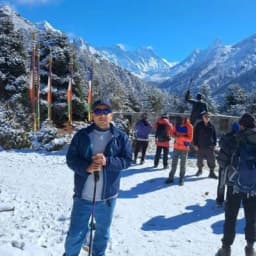
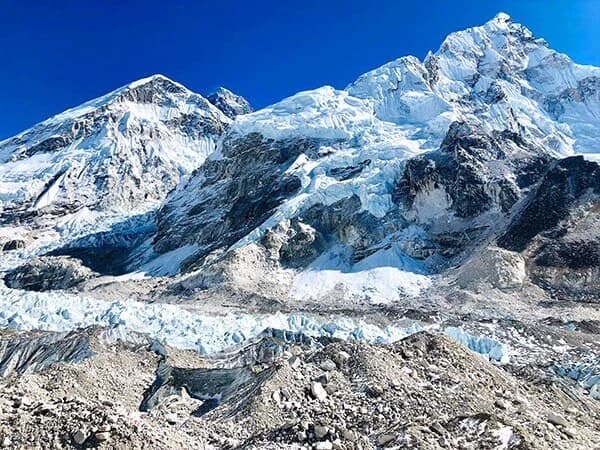
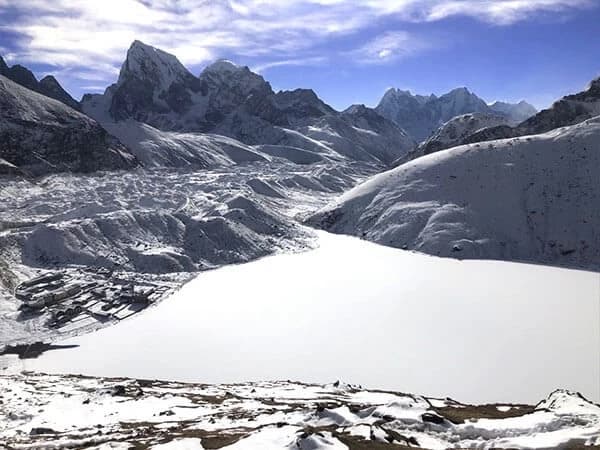
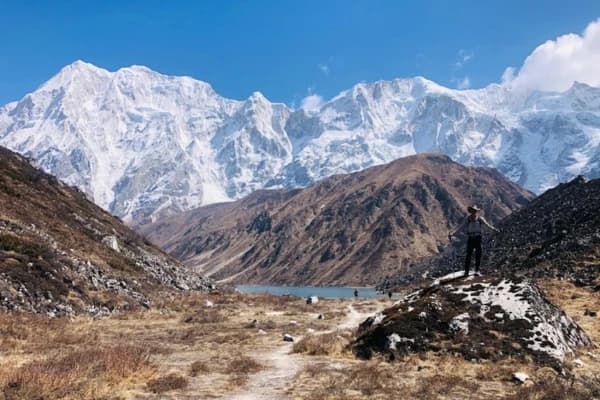
Dingboche is one of the best viewpoints on the Everest Base Camp Trek, providing panoramic views of some of the highest and most iconic Himalayan peaks in the world.
Ama Dablam: Ama Dablam dominates the skyline directly above Dingboche village, its distinctive hanging glacier visible from almost every angle in town.
- Lhotse: The fourth-highest mountain on earth appears clearly from Dingboche's ridgelines, its massive south face rising behind Island Peak.
- Nuptse: Nuptse's jagged ridge sits just west of Everest, visible from several points along the Nangkartshang trail.
- Makalu: On clear mornings, Makalu's pyramid-shaped summit is visible far to the east from the top of Nangkartshang Peak.
- Island Peak: Island Peak (Imja Tse) sits at the head of the Imja Valley, clearly visible from both Dingboche and the Chukhung trail.
Best Photography Spots
Sunrise from Nangkartshang Peak catches Ama Dablam and Lhotse in gold light before the wind picks up. Sunset from the village itself lights up Ama Dablam's summit ridge in deep orange, usually the calmest and clearest window of the day.
Dingboche Weather Throughout the Year
Dingboche weather swings hard between seasons, from mild spring days to bitterly cold winter nights that regularly drop below -15°C. Checking Dingboche, Nepal, weather patterns by season before you pack makes a real difference to how comfortable your trek feels.
Spring (March–May)
Daytime temperatures in spring range from 5°C to 15°C, and Dingboche, Nepal, weather in this season brings clear morning visibility that often clouds up by early afternoon. This is peak trekking season, and Dingboche's lodges fill up fast.
Summer / Monsoon (June–August)
Monsoon brings heavy rainfall to lower Khumbu villages, though Dingboche's higher elevation sees more mixed rain and snow. Trail conditions turn muddy and leech-prone lower down, and clouds frequently block mountain views.
Autumn (September–November)
Autumn is widely considered the best trekking season in the Khumbu, with crystal-clear mountain views and stable weather patterns. Daytime temperatures hover between 5°C and 12°C, dropping sharply after sunset.
Winter (December–February)
Winter brings heavy snow and temperatures that regularly fall below -15°C at night. Many tea houses reduce services or close entirely during the coldest stretch of January and February, and the weather in Dingboche, Nepal, during this period is best left to experienced, well-equipped trekkers only.
Best Time to Visit Dingboche
|
Season |
Temperature | Visibility | Crowd | Recommended |
|
Spring (Mar–May) |
5°C to 15°C | Good, clouds build midday | High | Yes |
|
Autumn (Sep–Nov) |
5°C to 12°C | Excellent | Very high | Yes |
|
Winter (Dec–Feb) |
Below -15°C at night | Clear but very cold | Low | Experienced trekkers only |
|
Monsoon (Jun–Aug) |
10°C to 18°C | Poor, frequent cloud | Low | Not recommended |
The best time to visit Dingboche is autumn, specifically late September through November, when trails are dry, Dingboche weather stays stable, and mountain views hold clear for days at a stretch. Spring runs a close second, offering warmer days but slightly less reliable afternoon visibility.
Choosing the right season is important. Read our guide on the best time for Everest Base Camp Trek to compare weather, trail conditions, and mountain views throughout the year.
Accommodation in Dingboche
Dingboche accommodation runs from basic family lodges to slightly larger tea houses built for the steady flow of Everest Base Camp trekkers passing through each season.
Tea Houses
Dingboche tea houses range from simple family-run lodges to a handful of larger, more comfortable options built specifically for the EBC trekking crowd. Most rooms are twin-share with thin walls and shared bathrooms down the hall, and nearly all Dingboche tea houses operate on a similar pricing model.
Lodges
Dingboche tea houses and lodges tend to center around a communal dining hall heated by a yak-dung stove, which becomes the social hub of the village every evening. Rooms themselves are unheated, so warmth depends entirely on your sleeping bag and the dining hall fire.
Room Facilities
Dingboche accommodation keeps facilities basic but functional.
- Simple heating limited to the communal dining hall
- Extra blankets available on request
- Shared bathrooms, often outside the main building
- Charging and Wi-Fi available for an extra fee
Approximate Accommodation Cost
|
Item |
Approximate Cost (USD) |
|
Basic twin room |
$3–8 per night |
|
Hot shower |
$3–5 |
|
Wi-Fi access |
$3–5 per device |
|
Battery charging |
$2–4 per hour |
Room rates for Dingboche accommodation stay low because lodges make their real income from food and drink sales, a standard practice throughout the Khumbu.
Food and Drinks Available in Dingboche
Dingboche may be remote at an altitude of 4,410m, but the food and drink for trekkers is surprisingly excellent. The teahouses in the village have plenty of food, from traditional Sherpa and Nepali food to popular Western dishes, to fuel hikers during their acclimatization. There are bakeries, hot drinks, and safe drinking water options to support your trek.
Traditional Nepali Food
Dal bhat is still the trekker’s fuel of choice here, with unlimited refills of rice, lentils, and vegetables for sustained energy. Sherpa stew and Tibetan bread are also widely available, both hearty options for the cold.
Western Food
Most of the lodges in Dingboche also provide pizza, pasta, fried rice, and pancakes to meet the needs of the steady flow of international trekkers passing through. Quality varies lodge to lodge, but portions are typically large.
Bakeries and Coffee Shops
In Dingboche there are a few bakeries serving fresh bread, cinnamon rolls, and brewed coffee, a welcome relief from the instant coffee served in smaller villages farther down the trail.
Drinking Water
There are refill stations in the village for a small charge, cheaper and more sustainable than bottled water. We strongly recommend carrying a backup water purification tablet or filter.
Facilities Available in Dingboche
Dingboche is a small mountain village with most of the facilities trekkers may need during their stay. Most teahouses have modern conveniences, such as Wi-Fi, charging stations, hot showers, mobile networks, and small shops selling basic trekking gear. These facilities make Dingboche one of the best equipped and comfortable stopovers on the Everest Base Camp Trek.
Wi-Fi
Most lodges offer Wi-Fi for a fee via local cards or lodge-based networks; speeds are slow, and connections drop above 4,000 meters.
Charging Facilities
Grid electricity doesn’t get this high up in the Khumbu, but most teahouses have solar or generator power to charge up your devices for a fee per hour.
Hot Showers
Most lodges have gas or solar-heated showers for a small extra charge, but the hot water can run out quickly in peak trekking season.
Mobile Network
The most reliable coverage in Dingboche is from Nepal Telecom's NTC network, although signal strength varies from place to place within the village.
Laundry Services
Some lodges do laundry, but most trekkers hand-wash small items, as clothes dry so slowly at this altitude.
Small Shops
In small general stores you can buy snacks, batteries, basic trekking gear, and over-the-counter medication for anything forgotten lower down the trail.
Essential Travel Tips Before Visiting Dingboche
Good preparation will help ensure that your time in Dingboche is safer, more comfortable, and more enjoyable. These handy travel tips will get you ready for your time in this high-altitude village on your trek to Everest Base Camp. These include packing the right gear, carrying enough cash, staying healthy at high altitude, and respecting local Sherpa traditions.
- Packing List: Bring a warm down jacket, a sleeping bag that is insulated to at least minus 15 degrees, and layered clothing for sudden temperature changes.
- Budget Tips: There are no ATMs after Namche Bazaar and no credit card acceptance this high on the trail, so bring plenty of cash in Nepali rupees with you.
- Staying Healthy: Forget keeping up with faster trekking groups. Concentrate on hydration, slow pacing, and restorative sleep.
- Respecting Local Culture: Walk around mani walls and stupas in a clockwise direction. Ask permission before taking photographs of local people or their homes.
- Responsible Trekking: Pack out your trash, cut back your use of single-use plastic where refill stations are available, and support local lodges rather than overloading from the lower villages.
Need Help Planning Your Everest Trek? Contact Nepal Gateway Trekking today to get expert trekking advice, customize your itinerary, and start planning your Everest journey with confidence. .
Final Thoughts
Dingboche is not only a stop on the way to Everest Base Camp. This traditional Sherpa village is located at an altitude of 4,410m (14,470ft). It is an important stop-off point for trekkers to acclimatize safely and enjoy some of the most spectacular mountain scenery in the Khumbu region. Its sweeping views of Ama Dablam, Sherpa culture, friendly teahouses, and rewarding acclimatization hikes make it one of the most memorable places on the trek.
Whether you are here for the stunning views, the unique cultural experience, or to prepare for the higher altitudes to come, taking the time to truly experience Dingboche will enhance your Everest Base Camp experience. Instead of just passing through, take the chance to spend an extra day here; it may be one of the most rewarding and memorable parts of your Himalayan adventure.
Ready to Explore the Everest Region? From planning your itinerary to arranging experienced guides, Nepal Gateway Trekking makes every step of your Himalayan journey easier. Whether you're heading to Everest Base Camp or visiting Dingboche, we're here to help.
Frequently Asked Questions
What is the altitude of Dingboche?
Dingboche sits at 4,410 meters (14,470 feet) above sea level, in the Imja Valley of the Khumbu region. This altitude puts it within range for mild to moderate altitude sickness without proper acclimatization.
Why is Dingboche famous?
Dingboche is famous as the main acclimatization stop on the Everest Base Camp trek, known for its stone-walled fields, Ama Dablam views, and access to Nangkartshang Peak. It's also a key staging point for Island Peak climbers.
Why do trekkers stay two nights in Dingboche?
Two nights allow the body to adjust to thinner air before ascending past 4,500 meters. Skipping this rest day significantly raises the risk of altitude sickness on the trail ahead.
What is the weather like in Dingboche?
Dingboche weather ranges from mild spring days around 15°C to winter nights that drop below -15°C. Autumn offers the clearest skies, while monsoon season brings frequent cloud cover and rain.
When is the best time to visit Dingboche?
The best time to visit Dingboche is autumn, from late September through November, when trails are dry and mountain visibility stays consistently clear. Spring is a strong second choice for warmer daytime temperatures.
What mountains can you see from Dingboche?
Trekkers can see Ama Dablam, Lhotse, Nuptse, Makalu, and Island Peak from various points around Dingboche village. The clearest combined view comes from the top of Nangkartshang Peak.
Is there Wi-Fi in Dingboche?
Most lodges offer paid Wi-Fi through local cards, though speeds are slow and connections often drop at this altitude. It's best treated as a backup rather than a reliable connection.
What food is available in Dingboche?
Dingboche lodges serve dal bhat, Sherpa stew, and Tibetan bread alongside Western options like pizza, pasta, and pancakes. A few bakeries also serve fresh bread and brewed coffee.