Most people spend weeks going back and forth on this decision and then end up booking the wrong one. That's honestly more common than you'd think. Both treks, the Manaslu Circuit Trek and the Everest Base Camp Trek, are incredible. But they're nothing alike. One is quiet, raw, and a little wild.
The other is iconic, busy, and well-organized. Your personality, your budget, and how much time you have will tell you which one wins. We've guided hundreds of trekkers on both routes, so by the end of this journey, you'll know exactly which one is yours. Planning for spring (March–May) or autumn (Sept–Nov)?
Good, both windows work for either trek. But the experience is completely unique depending on which one you pick.
Quick Comparison Table: Manaslu vs Everest Base Camp
Let's start simple. Here's everything shown together.
|
Factor |
Manaslu Circuit Trek | Everest Base Camp Trek |
|
Duration |
18–21 days | 12–14 days |
|
Max Altitude |
Larkya La Pass 5,106m | Kala Patthar (5,555 m) |
|
Difficulty |
Hard | Moderate to Hard |
|
Cost (full package) |
USD $1,050 – $1,600 | USD $1,250 – $2,700 |
|
Crowd Level |
10–30 trekkers/day | 500+ trekkers/day (peak) |
|
Permits |
3 permits + mandatory guide | 2 permits, no guide required |
|
Accommodation |
Basic tea houses | Comfortable lodges with WiFi |
|
Best For |
Experienced trekkers | First-timers & bucket-listers |
|
Access |
7–9 hr drive from Kathmandu | 30-min flight to Lukla |
|
Best Season |
March–May / Sept–Nov | March–May / Sept–Nov |
What Is the Difference Between the Manaslu Circuit Trek and the Everest Base Camp Trek?
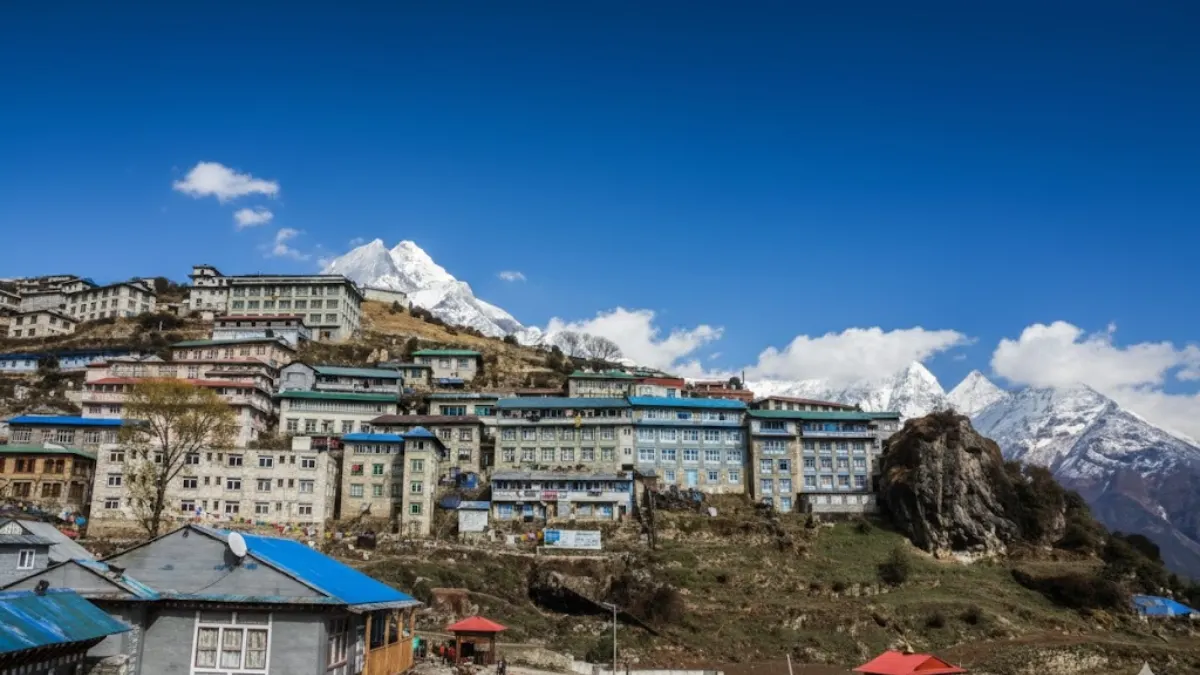
Before you choose, it helps to see the big picture. Both the Manaslu Circuit Trek and the Everest Base Camp Trek take you deep into the Himalayas, but they feel completely unique, like two sides of the same coin.
Manaslu Circuit Trek: The Quiet One
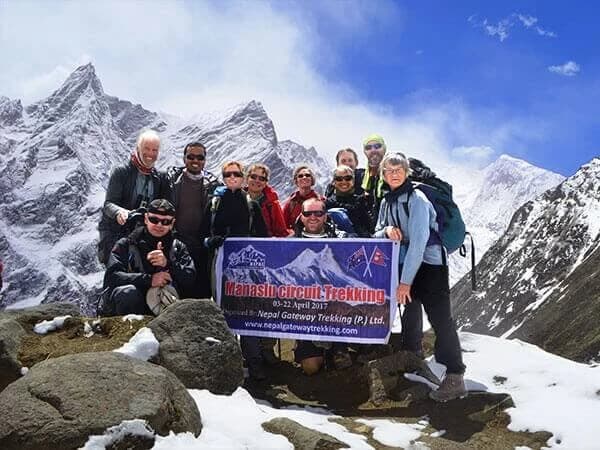
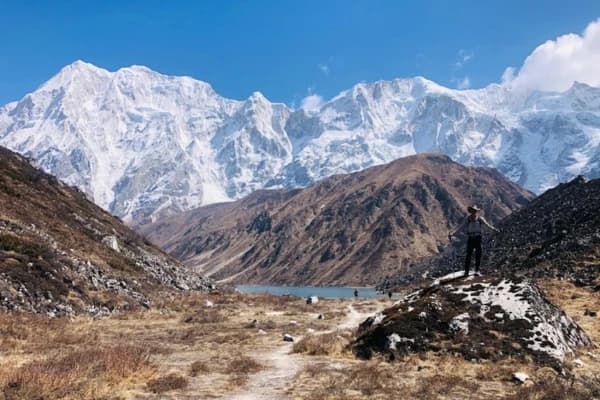
The Manaslu Circuit takes you all the way around Mt. Manaslu, the world's 8th highest peak at 8,163 m. You pass through ancient Tibetan-Buddhist villages in the Nubri and Tsum valleys. Most tourists have never even heard of these places. And that's really the main point. The Manaslu region is a restricted area, so trekking rules are strict.
Since March 2026, solo trekkers can now obtain a permit without joining a group. However, this development does not mean independent trekking is allowed. You must still hire a licensed guide and arrange your trek through a registered Nepali agency. In short, you can trek solo, but not without a guide.
It's best for trekkers who've already done something like the Annapurna Circuit Trek or Langtang Valley Trek before. Think of it as Nepal's best-kept secret. Not many people do it. That's really the main appeal.
Everest Base Camp Trek: The Famous One
Everest Base Camp follows the Khumbu Valley all the way to the foot of the world's highest mountain, Everest, at 8,849 m. You walk through Namche Bazaar, Tengboche, Dingboche. Proper Sherpa villages with real history behind every teahouse. Anyone reasonably fit can do this one.
No previous high-altitude experience needed. It takes 12–14 days and starts with a short flight to Lukla.
It's busy. Like, I'm really busy in peak season. But there's a reason millions of people dream about this trek. Standing at Base Camp, looking up at the Khumbu Icefall with Everest looming over you that doesn't get old.
Which Trek is Harder? Difficulty Compared
Before we go into details, here’s the simple truth both treks are challenging, but they test you in different ways. The Manaslu Circuit Trek is harder because of its longer days, rough trails, and remote setting. You need strong stamina and some trekking experience.
It feels more like a true expedition. On the other hand, the Everest Base Camp Trek is still tough, but it is more organized and beginner-friendly trek. The trail is clearer, there are more rest days, and help is easier to find.
Why Everest Base Camp trek is Hard But More Doable
EBC is a well-marked trail that's much easier to follow. Altitude gain is gradual, with planned rest days built in at Namche (3,440m) and Dingboche (4,410m). Yes, EBC technically reaches a higher point, Kala Patthar, at 5,555 m, but the route getting there is gentler.
Medical help is available along the trail. That alone takes a lot of pressure off. And 6–8 weeks of consistent walking prep is honestly enough for most people. If you're wondering how much trekking experience you need for EBC, the short answer is not as much as you'd think.
Why Manaslu is Tougher than Everest Base Camp
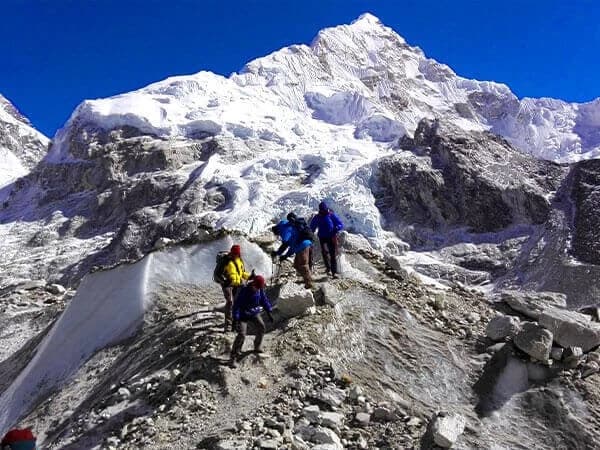
On the challenging days, daily elevation gain hits 800–1,000m. The trails are rougher and far less maintained. Some days you're walking 8–9 hours with barely any rest stops. Then there's Larkya La Pass at 5,106 m, a fully brutal day that's cold, exposed, and technically demanding.
The remoteness makes it psychologically harder too. If something goes wrong, you're far from help. That weight sits with you. For Manaslu, you want at least 3 months of solid cardio and trekking. Not gym cardio, but actual hill walking.
And ideally you've already done at least one of the most challenging treks in Nepal before attempting this one.
Altitude & Acclimatization: What You Actually Need to Know
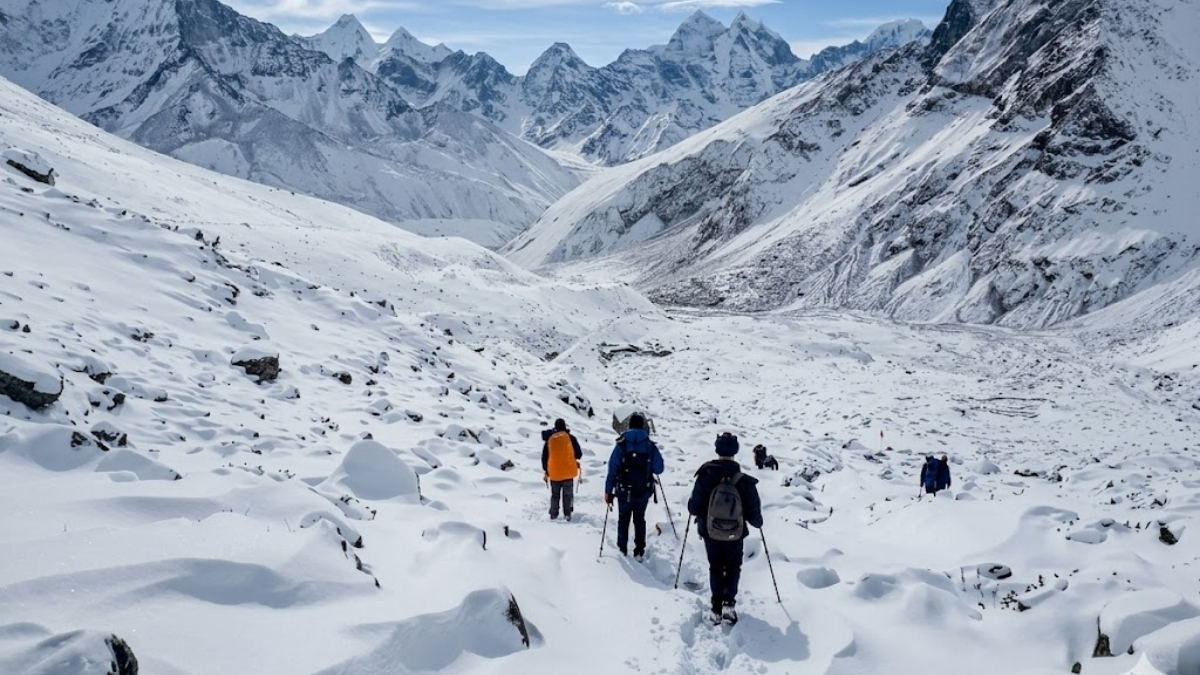
Both treks go above 5,000m. So, altitude sickness is real on either route; there's no getting around that. Manaslu tops out at Larkya La Pass (5,106 m). EBC tops out at Kala Patthar (5,555m). So EBC is technically higher, but Manaslu's acclimatization happens more naturally because you move slowly through remote valleys.
Plan for 2 nights in Samagaon (3,530 m). That's where most trekkers really feel the altitude for the first time. EBC has structured rest days built right into the itinerary at Namche and Dingboche. So you're basically being forced to slow down, which is precisely what your body needs.
The golden rule for both is to go slow. Never gain more than 300–500m of sleeping altitude above 3,000m per night. Watch for altitude sickness symptoms like headache, nausea, dizziness, and loss of appetite. If symptoms get worse, go down. Simple as that.
It's also worth talking to your doctor about Diamox before you leave. One thing that helps: Nepal Gateway Trekking always builds acclimatization days into every itinerary. We don't rush these trips. Ever. For more on staying safe, read our full guide on altitude sickness prevention.
Cost Comparison between Manaslu Circuit Trek and Everest Base Camp Trek
Let's talk money. Here's what it actually costs, including the stuff people forget to budget for.
|
Cost Item |
Manaslu Circuit | Everest Base Camp |
|
Agency Package |
$1,050 – $1,600 | $1,250 – $2,700 |
|
Restricted Area Permit |
$75–$100/person | Not required |
|
MCAP Permit |
$30 | Not required |
|
TIMS Card |
$10 | $20 |
|
Sagarmatha Park Permit |
Not required | $34 |
|
Kathmandu–Lukla Flight |
Not required | $350–$450 return |
|
Transport to Trailhead |
$25–$40 | Not required |
|
Travel Insurance |
$80–$150 | $80–$150 |
|
Personal Spending |
$100–$200 | $150–$300 |
|
Estimated Total |
$1,395–$2,030 | $1,884–$3,654 |
Manaslu is basically 30–40% cheaper overall. EBC's biggest hidden cost is the Lukla flight, and if it gets cancelled, you're paying for extra nights too.
Refer to our post on Lukla flight costs if you want the full breakdown. Manaslu's hidden cost is the mandatory guide, non-negotiable, so budget it in from the start. It's already included in Nepal Gateway Trekking packages, so no surprises there.
Want an exact price for your dates? Prices vary by group size and season. Contact Nepal Gateway Trekking for a free custom quote we'll send you a full breakdown.
Permits You Need for Manaslu Circuit Trek and Everest Base Camp Trek
Permits are like your official pass to enter the trekking regions. Without them, you cannot legally continue your journey. The process is different for the Manaslu Circuit Trek and the Everest Base Camp Trek, and this difference plays a big role in planning your trip.
Manaslu Circuit 3 Permits + a Mandatory Guide
-
Restricted Area Permit (RAP): $100/person (Sept–Nov) or $75/person (Mar–May)
-
Manaslu Conservation Area Permit (MCAP): $30/person
-
TIMS Card: $10/person
Important: a licensed guide is legally required. You literally cannot get the RAP without one. This isn't optional, and there are no workarounds. Nepal Gateway Trekking handles all permits before your trek starts you don't need to sort any of this yourself. Get the full details on Manaslu permit requirements here.
Everest Base Camp 2 Permits, No Guide Needed
-
Sagarmatha National Park Permit: $34/person
-
TIMS Card: $20/person
No mandatory guide here you can trek independently if you want. That said, going with a guide is still a smart move, especially if it's your first big Himalayan trek. If you're considering going solo, read up on trekking in Nepal without a guide before deciding.
Best Season: When Should You Go?
- Both treks have the same two windows: spring (March–May) and autumn (Sept–Nov).
- Spring brings blooming rhododendrons on the Manaslu trails and clear, blue skies on EBC. It's the most popular window for both. EBC gets noticeably busier than Manaslu during this time.
- Autumn brings crisp air, golden light, and stable weather. It's slightly less crowded than spring, especially on EBC. Honestly, autumn is my personal favorite for Manaslu.
- Monsoon (June–Aug): Skip it for both. The Manaslu trails, particularly in areas prone to landslides, are serious, and in some places, the trail becomes genuinely dangerous.
- Winter (Dec–Feb): EBC is doable but cold and hushed. Manaslu is not recommended Larkya La Pass gets snowed in, and conditions can be brutal.
Nepal Gateway Trekking runs fixed departures in both spring and autumn. Check our schedule and grab your spot early popular dates fill up faster than people expect. Want to explore timing in more detail? Read our comparison of spring vs. autumn trekking in Nepal.
Duration & Route How the Journeys Actually Feel
This trek feels like a slow climb into a different world. You start in warm, green hills. Step by step, the air gets thinner, the views get bigger, and life becomes simpler. By the time you cross the pass, it feels as though you have earned every mountain you see.
Manaslu Circuit: 18 to 21 Days
You won't feel every one of those days the same way. Here's the shape of it:
- Days 1–2: Kathmandu to Soti Khola (730m) by jeep. Long day, but the road through the hills is gorgeous.
- Days 3–5: Jagat to Namrung. You enter the restricted zone here. The trail gets quieter almost immediately.
- Days 6–9: Samagaon (3,530m). This is your acclimatization base. There's an optional side trip to Manaslu Base Camp if you're feeling strong.
- Days 10–11: Samdo (3,875m) to Dharmasala (4,460m). Last stop before the big one.
- Day 12: Larkya La Pass (5,106m). The hardest day. Also the best day. No argument.
- Days 13–18: Descent through Bimthang, then back to Besisahar and Kathmandu.
See the Manaslu route map for the full visual.
Everest Base Camp 12 to 14 Days
- Day 1: Fly to Lukla (2,860m), walk to Phakding.
- Days 2–3: Namche Bazaar (3,440m). First big acclimatization stop. Your first proper Himalayan town.
- Days 4–6: Tengboche, Dingboche, Lobuche. The trail opens up and the mountain views start getting serious.
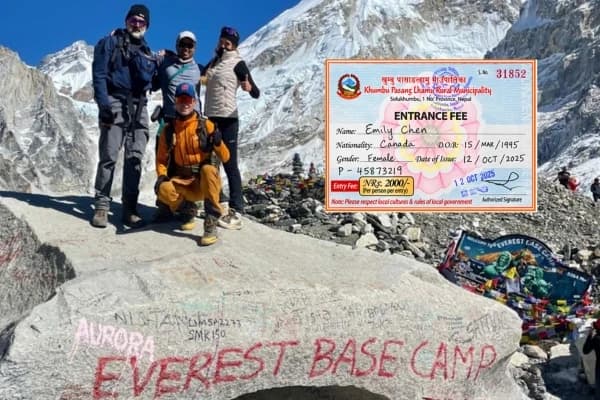
- Day 7: Everest Base Camp (5,364m). You made it.
- Day 8: Kala Patthar (5,555m). The best view of Everest on the entire route, full stop.
- Days 9–12: Descend back to Lukla, fly to Kathmandu.
Full route details are in our EBC route map.
Accommodation & Food What to Expect on the Both Trail - Manaslu Circuit vs Everest Base Camp Trek
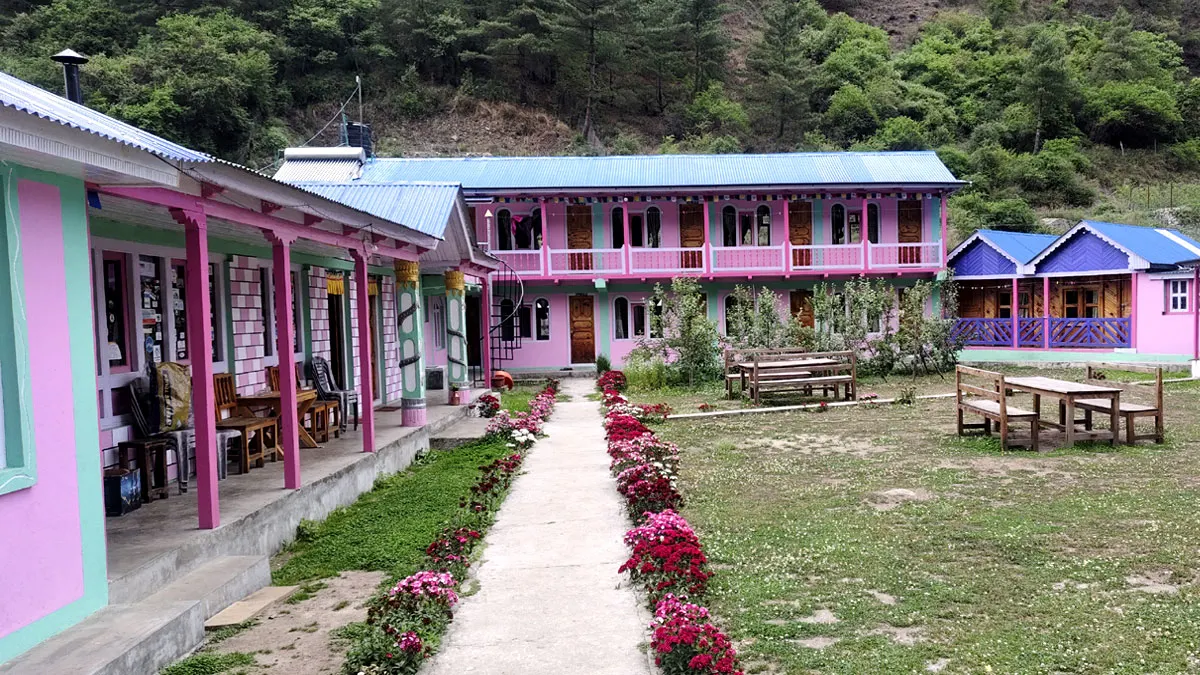
Where you sleep and what you eat can greatly affect your trekking experience. Both the Manaslu Circuit Trek and the Everest Base Camp Trek follow the style of teahouse trekking, where you stay in small lodges and eat freshly cooked local meals.
Manaslu Basic but Genuine
Local families run tea houses on Manaslu. The accommodation features simple rooms, shared toilets, and thin walls. Above Samagaon: shared squat toilets and no running water at some lodges that's just the reality.
Food is dal bhat, noodles, and tsampa porridge. Good, filling, not much variety above 4,000 m. Wi-Fi cuts out above Samagaon. Honestly? Most people say that's their favorite part of the whole experience. You're fully disconnected. It feels like it.
More details on food and accommodation on the Manaslu Circuit.
Everest Base Camp Trek Comfortable by Himalayan Standards
Proper lodges with private or semi-private rooms in most villages. Namche Bazaar has coffee shops, pizza, and even bakeries you'll genuinely forget you're at 3,400 m for a moment. Hot showers are available at most lodges below 4,500m.
Wi-Fi works up to Dingboche (slow, but it's there). Food is more varied pasta, soup, Sherpa stew, and eggs. Budget around $15–$25/day for food once you're above Namche.
Full breakdown in our EBC food and accommodation guide.
Crowds: How Busy Is Each Trek?
- Manaslu: 10–30 trekkers per day even in peak season. You'll go hours without seeing another group. Hours.
- EBC: 500+ trekkers per day at peak. Namche feels like a proper mountain town. The Lukla–Namche stretch can genuinely feel like a queue at points.
- That said, EBC has a real community vibe. You meet people, make friends, and share meals. It's social in a way Manaslu just isn't. Manaslu is quieter and more personal. It's you, your guide, and the mountains.
- Photography angle: Manaslu gives you mountain shots with no one in the frame. EBC gives you the iconic shot with company. Both are valid, depending on what you're going for.
Looking for something a little different? Read about less crowded trekking destinations in Nepal.
Prefer a quieter trail? Manaslu departures fill up faster than you'd think even though it's less crowded on the trail. Book your spot with Nepal Gateway Trekking before the season starts.
Scenery & Culture: What You'll Actually See and Feel
This area is where we do the real work. Both treks offer stunning mountain views, but the feeling and atmosphere are completely unique. The Manaslu Circuit Trek gives you a more raw and untouched experience.
You walk through quiet villages, ancient monasteries, and landscapes that change from green forests to dry, high-altitude valleys.
It feels peaceful, almost like stepping into a hidden world. The Everest Base Camp Trek, on the other hand, is more vibrant and iconic. You see famous peaks, busy Sherpa towns, and rich mountaineering history. There’s more energy, more people, and a strong sense of adventure shared with others.
Manaslu Tibetan-Buddhist Wilderness
Ancient monasteries were built into cliff sides above the Budhi Gandaki Gorge. Tourism barely touches villages with mani walls, yak caravans, and prayer flags snapping in the wind.
The landscape shifts dramatically as you climb, revealing dense subtropical jungle at the bottom and high-altitude desert by the time you reach the pass.
Mountain views include Manaslu (8,163 m), Himalchuli, Peak 29, and Ganesh Himal, and almost no one else is in the frame. It feels like you've walked into a world that's completely separate from regular Nepal. That feeling is difficult to explain until you experience it.
Everest Base Camp Sherpa Country and the World's Biggest Mountains
Tengboche Monastery, with Everest rising behind it is one of the most photographed scenes in Asia and worth every bit of the hype. Sherpa culture is everywhere here: the Hillary legacy, expedition history, local museums, and memorials. You feel the weight of mountaineering history with every step.
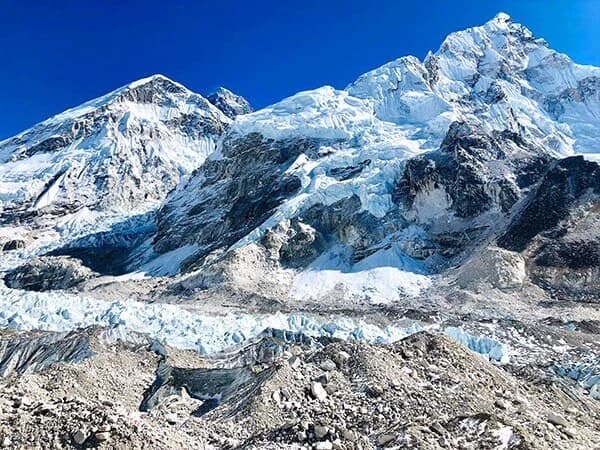
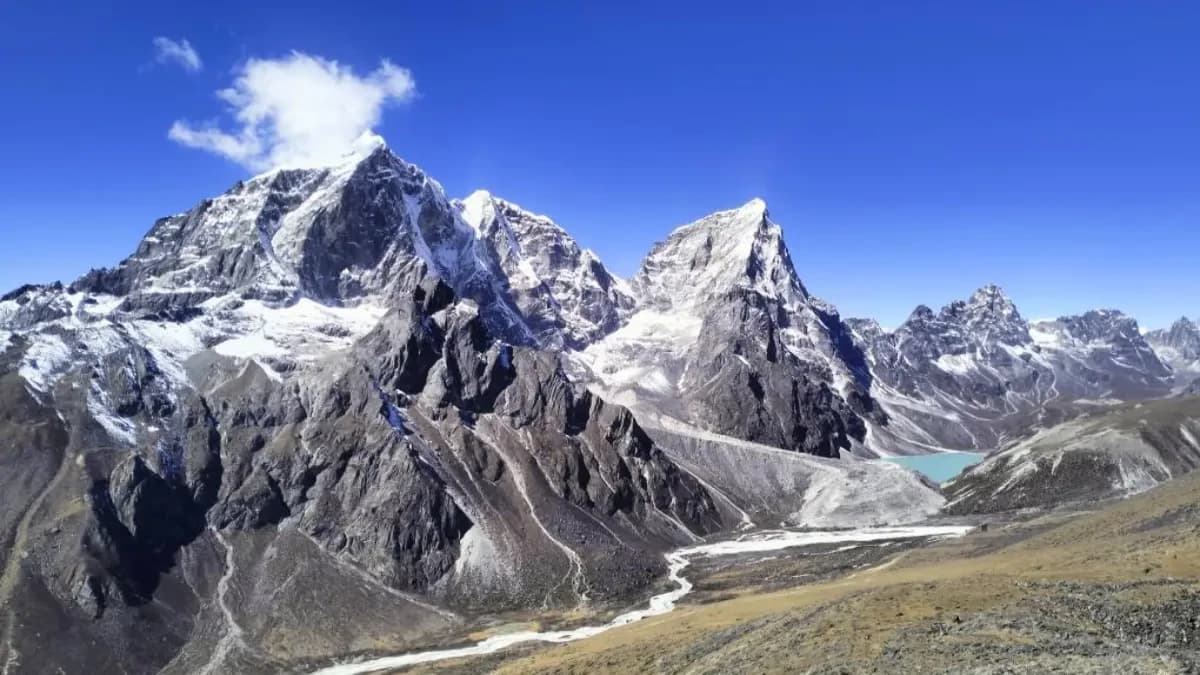
Everest, Lhotse, Nuptse, and Ama Dablam are all visible on the same skyline. The Khumbu region has the most dramatic mountain scenery on earth, and that's not an exaggeration. Standing at Base Camp with the Khumbu Glacier stretching out in front of you is genuinely humbling.
Travel Logistics for the Manaslu Circuit Trek vs. Everest Base Camp Trek
Getting to the trail is part of the journey, and it shapes your whole experience from day one. The logistics for the Manaslu Circuit Trek and the Everest Base Camp Trek are very different, and this often influences which trek people choose.
Manaslu Drive from Kathmandu
A 7–9 hour jeep ride from Kathmandu to Soti Khola. No flights, no weather-related cancellations. You just drive. The return trip from Besisahar takes about 6 hours. It's a long day in the car, but fog won't strand us.
Everest Base Camp: Fly to Lukla
A 30-minute flight from Kathmandu to Lukla is one of the most dramatic airport approaches in the world. But flights are weather-dependent. Flight cancellations happen, especially in early spring. Build in 1–2 buffer days in Kathmandu.
Helicopter rescue is available if things go seriously wrong budget $500–$800 per person just in case. The Lukla flight is part of the adventure. But plan for delays they're genuinely common.
Safety: Which is safer?
Safety plays a big role when choosing between these two treks, and while both take you high into the Himalayas, the risks are different. On the Manaslu Circuit Trek, the main challenge is how remote the trail becomes after Jagat.
Villages are far apart, communication is limited, and if something goes wrong, help can take time to reach you. This means you need to be more prepared and a bit self-reliant.
On the other hand, the Everest Base Camp Trek comes with a higher risk of altitude sickness, especially as you move above places like Namche Bazaar toward Everest Base Camp. However, the trail is well-developed, busy, and has better access to medical help and evacuation.
In simple words, Manaslu feels riskier because of its isolation, while Everest feels safer in terms of support but demands more care with altitude.
Manaslu Safety
It's remote. Real rescue coordination takes time, and there's no pretending otherwise. Get travel insurance with helicopter evacuation and a minimum of USD $100,000 in coverage.
Don't even consider skipping this step. Avoid June–August: landslide risk is genuine and can cut off sections of the trail. And don't try to hire unlicensed guides to save money. The mandatory guide rule exists for a good reason.
Read more about the role of guides and porters in Nepal's trekking industry.
EBC Safety
Altitude sickness is the main issue in Khumbu. Cough affects a surprising number of trekkers every season. Know the symptoms of altitude sickness before you go. Rescue response is much faster on EBC the Himalayan Rescue Association runs clinics at Pheriche and Namche.
On the trail: always give yaks the uphill side of the path. This rule isn't optional. And in peak season, solo travelers can feel overwhelmed a guided group makes the whole experience easier to manage.
Pros & Cons Manaslu Circuit Trek vs. Everest Base Camp Trek
Every trek has its ups and downs, just like two sides of a coin. Looking at the pros and cons helps you see the full picture, not just the highlights. The Manaslu Circuit Trek is perfect if you want a quiet and raw adventure, but it also comes with challenges like remoteness and basic facilities. The Everest Base Camp Trek is easier to access and more comfortable, but it can feel crowded and more commercial.
Manaslu Circuit Pros & Cons
Pros
- Far less crowded you get the trail mostly to yourself
- Rich, authentic Tibetan-Buddhist culture barely touched by tourism
- 30–40% cheaper than EBC overall
- No flight, no weather cancellation risk
- Deeply rewarding one of Nepal's best-kept secrets
Cons
- Solo trekking is now allowed in restricted areas, but you still cannot trek independently. You must hire a licensed guide and arrange your trek through a registered agency.
- Very basic accommodation above Samagaon
- Needs 18–21 days harder to fit into shorter trips
- Remote limited rescue access if something goes wrong
- Prior high-altitude experience strongly recommended
Everest Base Camp Pros & Cons
Pros
- The most iconic trek in the world
- Accessible to fit beginners
- Good lodges, varied food, Wi-Fi in most villages
- Completable in 12–14 days
- Fast rescue access throughout
Cons
- Very crowded in peak season
- More expensive, especially with Lukla flights
- Flight delays are common budget extra days
- Sherpa villages are getting increasingly commercialised
So, which one should you actually choose?
Choose the Manaslu Circuit Trek if you want to experience breathtaking views and a unique cultural experience.
- You've already done at least one high-altitude, multi-day trek
- You want to feel like you're really off the map
- You have 3 weeks and want the full experience
- Budget matters and you want maximum adventure per dollar
- You're drawn to Tibetan culture and don't need Wi-Fi to be happy
Choose the Everest Base Camp Trek if you want to experience breathtaking views and a challenging adventure.
- This is your first big Himalayan trek
- EBC has been on your bucket list for years
- You have 2 weeks or less
- You prefer proper beds, varied food, and trail support
- You like meeting other trekkers and the social side of group adventures
If you've already done EBC, Manaslu is your next move. If this is your first big Himalayan trek, start with EBC. Then come back for Manaslu. And if you're newer to trekking, check out our best treks for beginners in Nepal to see where you should start.
Still not sure which one's right for you? Our team has guided hundreds of trekkers on both routes. Message Nepal Gateway Trekking tell us your dates, fitness level, and budget, and we'll give you a straight answer in minutes. No sales pitch, just honest advice.
Final Thoughts
Choosing between the Manaslu Circuit Trek and the Everest Base Camp Trek really depends on what kind of journey you want to experience, not just finish. Manaslu is quiet, remote, and full of raw adventure.
It’s for people who enjoy silence, deep culture, and the feeling of being far away from the busy world. You won’t find luxury here, but you will find something more meaningful, an experience that feels real and personal.
Everest, on the other hand, is famous for a reason. It offers iconic mountain views, better facilities, and a lively trekking atmosphere. You’ll meet people from around the world, share stories, and feel part of something bigger.
It’s more comfortable and easier to manage, especially if this is your first big Himalayan trek.
Both treks will challenge you physically and mentally. Both will reward you with unforgettable views and memories. In the end, there is no wrong choice, only the one that fits your time, comfort level, and idea of adventure.
Ready to book your trek? Nepal Gateway Trekking offers fully guided, permit-inclusive packages for both the Manaslu Circuit and Everest Base Camp with departures every season. Get in touch with our team and we'll sort everything from permits to porters. All you have to do is show up.
FAQs
Which trek is better, Manaslu or Everest Base Camp?
Depends on you. EBC is better for first-timers who want iconic views and comfortable lodges. Manaslu is better for experienced trekkers who want something quieter, more cultural, and more raw. Both are brilliant just in entirely different ways.
Is Manaslu Circuit harder than Everest Base Camp?
Yes. Manaslu has harder, steeper daily climbs, rougher trails, longer days, and far less infrastructure. EBC reaches a higher altitude (5,555 m vs. 5,106 m) but follows a more gradual, better-supported route.
Which trek is cheaper?
Manaslu. By a lot. Total costs for Manaslu run around $1,395–$2,030. EBC comes in at $1,884–$3,654 once you factor in the Lukla flights and higher permit fees.
How long does each trek take?
Manaslu takes 18–21 days. EBC takes 12–14 days. If you have limited time, EBC is the practical choice.
Do I need a guide for Manaslu?
Yes, it's legally required. Manaslu is a restricted area, and you cannot obtain the permit without a licensed guide. Nepal Gateway Trekking provides licensed guides on all Manaslu departures.
Which trek is more crowded?
EBC by a massive margin. 500+ trekkers per day in peak season vs. 10–30 on Manaslu. If solitude matters to you, Manaslu wins easily.
Which has better accommodation?
EBC has noticeably better lodges, private rooms, hot showers, and Wi-Fi in most villages. Manaslu tea houses are clean and comfortable but basic. Shared toilets and limited connectivity are normal above Samagaon.
Is altitude sickness a risk on both treks?
Yes, on both. Both go above 5,000m. Slow ascent, proper acclimatization days, and knowing the symptoms are essential on either route. Read our full guide on altitude sickness prevention before you go.
Which is better for beginners?
EBC without question. The trail is well-marked, the lodges are comfortable, medical support is available, and you do not need any previous high-altitude experience. Save Manaslu for your second or third Himalayan trek.
What's the most significant difference between the two treks?
The vibe. Manaslu is remote, raw, and peaceful you feel genuinely off the beaten path. EBC is famous, busy, and iconic you're sharing the experience with trekkers from around the world. Both change you. Just differently.
What's the best season for both treks?
Spring (March–May) and autumn (September–November) work for both. Avoid monsoons for either, especially Manaslu. Check our detailed guide on the best time for trekking in Nepal for a full month-by-month breakdown.