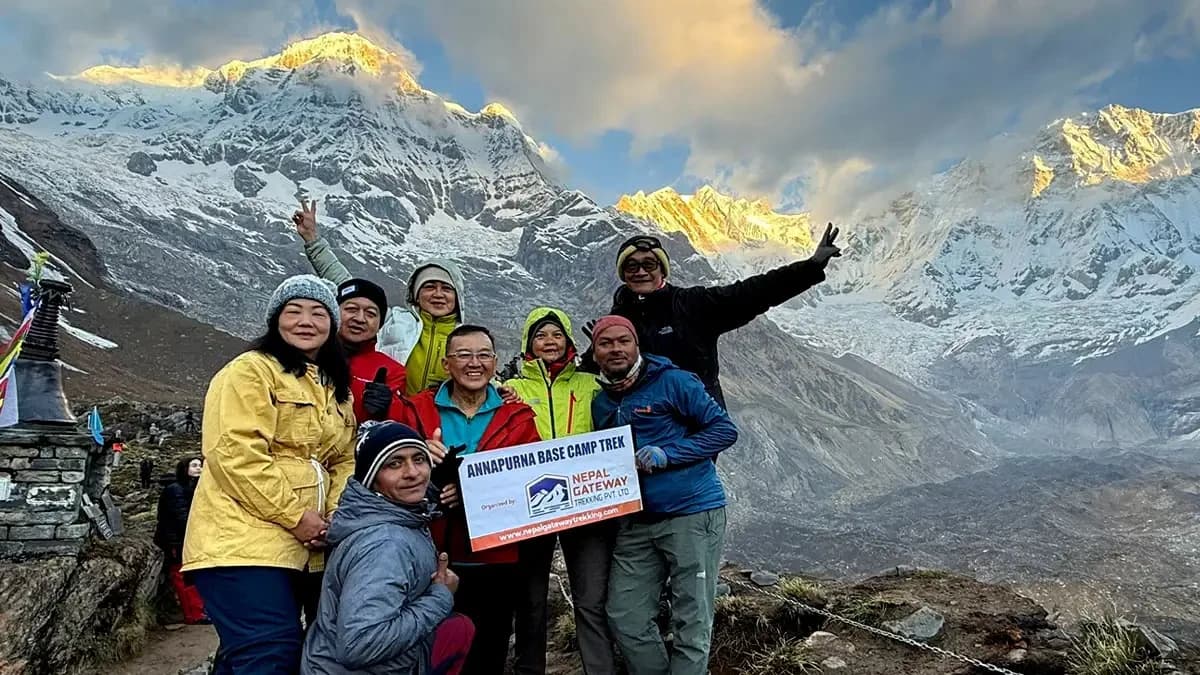
Thinking about trekking in Nepal but can't decide due to limited time? That is the problem most people hit when planning trip Nepal. The Annapurna Base Camp Trek vs Langtang Valley Trek question keeps coming up on forums, in Facebook groups, and in guesthouse conversations in Thamel.
And nobody gives a straight answer because, honestly, it depends on who's asking. Every week, trekkers type "Langtang Valley trek vs. Annapurna Base Camp" into Google, hoping someone just tells them what to do. So let's actually do that.
This guide is blunt. No fluff. This section describes what these two trails are like, their cost, their physical demands, and which trek is better for you.
The Annapurna Base Camp Trek: Walking Into a Fortress of Ice
The Annapurna Base Camp Trek is one of Nepal's most famous trekking adventures, taking you deep into the heart of the Annapurna Sanctuary. Unlike many mountain trails where you admire peaks from a distance, this trek gradually leads you into a natural basin surrounded by towering Himalayan giants.
As you climb through traditional villages, lush forests, and alpine landscapes, the mountains appear to rise higher around you each day. By the time you reach Annapurna Base Camp, you'll find yourself standing inside a breathtaking fortress of ice, rock, and snow, completely encircled by some of the world's most spectacular peaks.
Where Is Annapurna Base Camp?
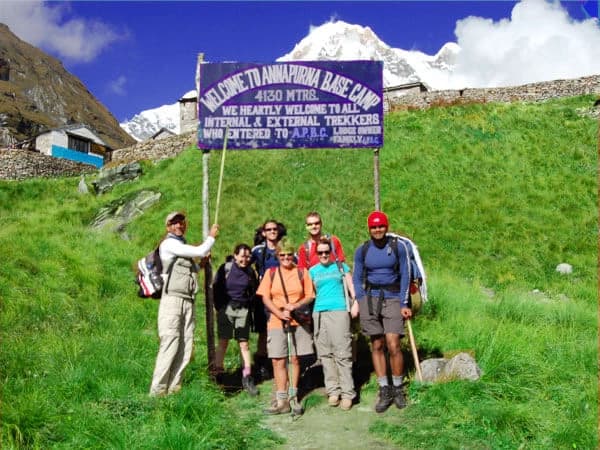
Annapurna Base Camp is in north-central Nepal, sitting at 4,130 meters inside the Annapurna Conservation Area. Getting there means going through Pokhara first; that's the jumping-off city for the whole trek.
From Kathmandu you fly (25–30 minutes, around $100–130 one way) or take a tourist bus (6–8 hours, $6–15). From Pokhara, a local bus or shared jeep will get you to the trailhead at Nayapul or Ghandruk. It's a two-step process, but Pokhara is worth a night or two anyway.
Why Does Everyone Keep Talking About Annapurna Base Camp?
Because standing inside the Annapurna Sanctuary is something that's difficult to explain until you're actually there.
You spend days climbing through rice fields, Gurung villages, rhododendron forests, and bamboo groves. Then the valley walls close in around you, the landscape goes bare and white, and suddenly you're in a natural amphitheater ringed by peaks that go up past 8,000 meters. You're not looking at mountains. You're inside them.
That's the thing about Annapurna Base Camp. It's one of the few places on earth where you get that completely enclosed feeling ice walls on every side, nowhere else to look but up. When people ask about the best trek in Nepal for beginners, Annapurna Base Camp keeps coming up because it delivers a genuinely spectacular finish without needing technical climbing skills.
The Trail Bamboo, Staircases, and Breathless Views
The route shifts character every day. Terraced farmland around Ghandruk. Thick rhododendron forest toward Chhomrong. Bamboo tunnels and waterfalls lower down. Bare rock and snow as you push toward the sanctuary.
The main stops:
- Ghandruk, an old Gurung village, worth slowing down for
- Chhomrong the last big village before the sanctuary
- Bamboo small teahouses, dense forest
- Himalaya Hotel: Things start feeling alpine here
- Deurali valley narrows; snow shows up
- Machhapuchhre Base Camp, 3,700 m: views start getting serious
- Annapurna Base Camp, 4,130 m, you made it
Now, Chhomrong. Ask anyone who's done this trek and they'll mention it. The staircases from Chhomrong down and back up on the return are punishing. Thousands of stone steps. Your quads burn on the way down. Your lungs burn on the way up. A lot of people say that section is harder than the altitude. That's not an overstatement.
The Mountains You'll See at Annapurna Base Camp
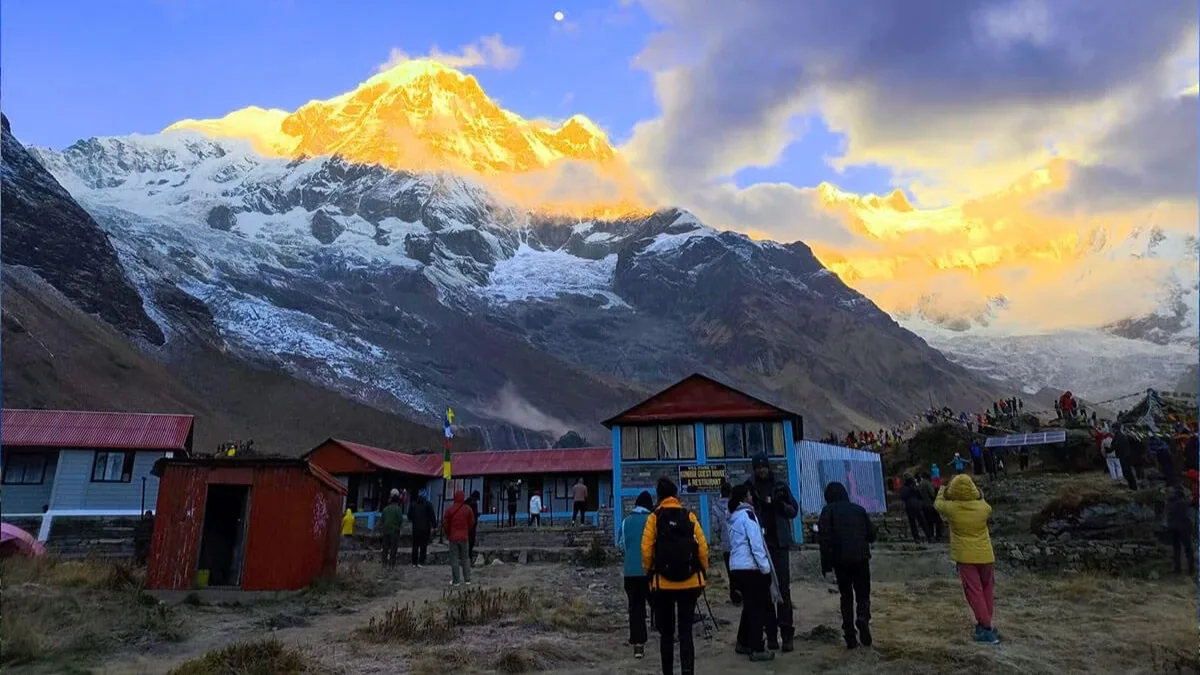
At the base camp, you are surrounded by the following:
- Annapurna I, 8,091 m, tenth highest in the world
- Machhapuchhre (Fishtail), 6,993 m, the peak that defines the Pokhara skyline
- Annapurna South the big wall right above you
- Hiunchuli: dramatic, close, impossible to ignore
- Gangapurna glacier gleaming above the sanctuary
Watch it at sunrise. The colors that hit those rock faces at dawn are truly remarkable.
Annapurna Base Camp Reality Check Difficulty, Days, and Altitude
- Days: 7–13, depending on pace and starting point
- Distance: Roughly 115–130km round trip
- Top altitude: 4,130m at Annapurna Base Camp
- How hard is it: Moderate to challenging. The trail isn't technical no ropes, no scrambling but it's relentless. Long days, big elevation swings, and those stairs are all part of the experience. Expect 5–8 hours of walking most days.
- Altitude sickness: Real risk above 3,500m if you push too fast. Most people are fine with a sensible pace and proper rest stops.
- Fitness: You don't need to be a runner. But if you've been sitting at a desk for six months, your legs will let you know by day three.
The Honest Pros and Cons
Pors:
- The Annapurna Sanctuary is genuinely one of the world's great trekking destinations
- Mountain proximity is unmatched you're inside the peaks, not observing them
- Teahouses are well-stocked, menus are wide, facilities are decent
- The route is well-marked and easy to follow
- Ghorepani Poon Hill extension is worth adding if you have time
Cons
- Busy. Very busy in October and April teahouses fill fast
- The staircases are bruta this is where Annapurna Base Camp vs. Langtang difficulty becomes most obvious on your knees
- Some sections feel commercial, especially the lower trail
- Pokhara logistics add a day each way
The Langtang Valley Trek: Nepal's Quiet, Resilient Hidden Valley
The Langtang Valley Trek offers a different side of Nepal's Himalayas. Less crowded than many famous routes, it combines beautiful mountain scenery, rich Tamang culture, and a powerful story of resilience.
As the trail follows rivers, forests, and glacier-carved valleys toward Kyanjin Gompa, trekkers experience an authentic Himalayan journey that feels peaceful, personal, and deeply rewarding.
Where Is Langtang Valley?
Langtang sits north of Kathmandu, right up against the Tibet border. It's inside Langtang National Park, Nepal's first Himalayan national park, and the trailhead is Syabrubesi, a 7–9 hour jeep or bus ride from Kathmandu.
No domestic flight. No Pokhara stop. You leave Kathmandu, the road gets rougher, the mountains get bigger, and you're there. When people compare the Annapurna Base Camp trek vs. the Langtang trek purely on how fast you can get your boots on dirt, Langtang wins by a full day.
What Makes Langtang Worth It
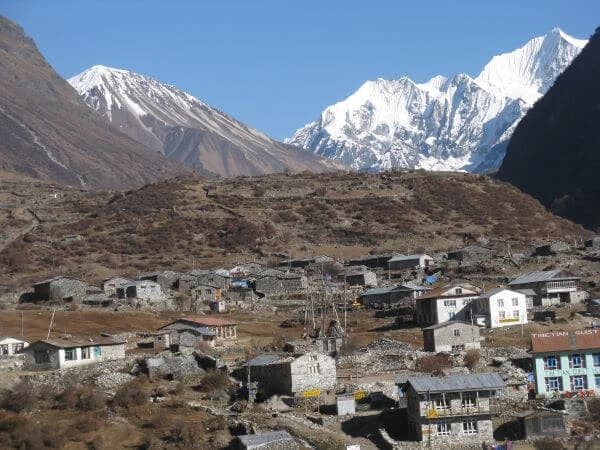
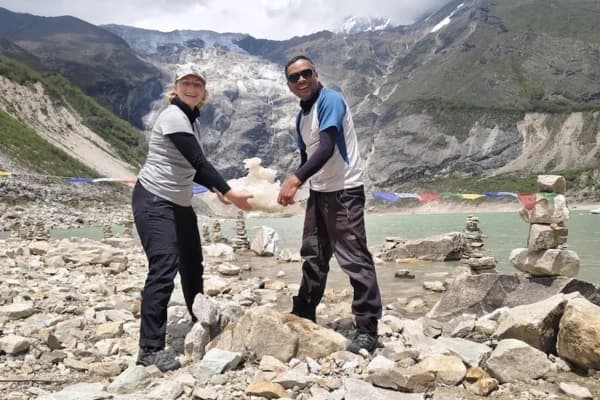
The valley has a different kind of pull to Annapurna Base Camp. It's quieter. More raw. The culture hits differently because the Tamang communities here have kept strong Tibetan-Buddhist roots prayer wheels, ancient gompas, mani walls, and families who've been herding yaks up these slopes for generations.
There's also a story here that matters. In April 2015, the Gorkha earthquake sent a massive avalanche down into Langtang Village. Over 350 people died. The village was buried. And then slowly, with help from trekkers and NGOs, it came back. Walking through Langtang Village today feels different because of that. You're not just passing through. You're part of the reason the place is still alive. Spending money here goes directly to families who rebuilt from nothing.
To see how easily you can support this incredible community, take a look at our complete Langtang Valley Trek cost and budgeting breakdown.
The Trail River Valleys, Forests, and High Meadows
The Langtang trail climbs steadily along the Langtang Khola river through pine and rhododendron forest before opening into a wide, high valley with enormous glaciers hanging above you.
Main stops:
- Lama Hotel, the first big teahouse cluster, with a good forest camping feel
- Langtang Village rebuilt, emotional, culturally rich
- Mundu and Sindum open yak grazing land, sky gets big here
- Kyanjin Gompa (3,870 m), where most people base themselves
From Kyanjin Gompa, two side hikes are worth doing:
- Kyanjin Ri (4,773 m): 2–3 hours up, panoramic Langtang Lirung views. Most trekkers manage this one fine.
- Tserko Ri (4,984 m): 4–6 hours, hard work, absolutely worth it if your legs are holding up. Views across to Tibet on a clear day.
The Peaks Above Langtang
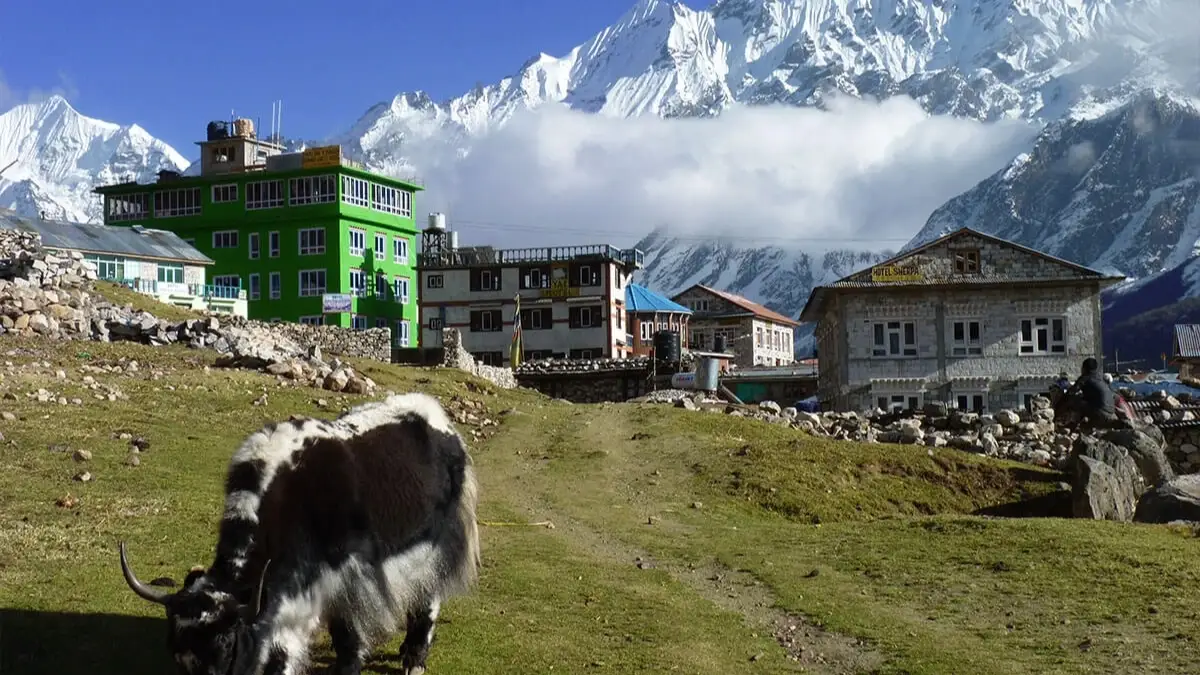
Different energy to Annapurna. These peaks feel like they belong to a borderland, almost as if they are in Central Asia.
- Langtang Lirung, 7,234 m, dominates the whole upper valley
- Dorje Lakpa (6,966 m), striking from any high point
- Yala Peak, 5,732 m, popular trekking peak
- Naya Kanga, 5,846 m, visible from the upper valley
From Tserko Ri on a clear morning, the ridgelines going north toward Tibet seem to stretch endlessly.
Langtang Reality Check: Days, Distance, Altitude
- Days: 6–10, depending on pace and side trips
- Distance: Around 65–75km round trip
- Top altitude: 3,870m at Kyanjin Gompa; 4,984m at Tserko Ri if you go for it
How hard is Langtang valley Trek?
Moderate trek: the main valley trail is a steady uphill without the brutal staircase sections of Annapurna Base Camp. The side hikes push the effort up significantly, but they're optional. This is one reason why people keep recommending the Annapurna Base Camp trek or the Langtang trek for beginners. Langtang's base trail is kinder to people new to altitude hiking.
Altitude sickness: Slightly lower risk on the standard route since Kyanjin Gompa sits below Annapurna Base Camp's endpoint. Tserko Ri changes that equation at 4,984 m, it actually goes higher than Annapurna Base Camp.
Fitness: Regular walking fitness is enough for the base trail. The side hikes need a little more.
Honest Pros and Cons of Langtang Valley Trek
What's great:
- No flight needed, straight road from Kathmandu
- The trail is genuinely quiet a fraction of Annapurna Base Camp's crowd
- Cheaper overall
- Tamang culture is deep and authentic
- Stunning glacier valley scenery
- Shorter works for people with a week to spare
What's not so great:
- The road to Syabrubesi is rough, with long hours in a jeep on winding mountain roads
- The lower valley can feel enclosed and forested before it opens up
- Fewer amenities and food variety than Annapurna Base Camp
- Not as internationally famous, so slightly harder to get pre-trip info on
Still deciding between Annapurna Base Camp and Langtang? Contact Nepal Gateway Trekking for tailored recommendations based on your budget, fitness level, and travel goals.
Annapurna Base Camp Trek vs Langtang Valley The Head-to-Head
Both Annapurna Base Camp and Langtang Valley are among Nepal's most rewarding trekking routes, but they offer very different experiences. One is renowned for its dramatic mountain amphitheater and well-developed trekking infrastructure, while the other attracts trekkers with its peaceful trails, rich Tibetan-influenced culture, and quieter atmosphere.
In this side-by-side comparison, we'll look at the key differences in accessibility, scenery, difficulty, culture, accommodation, crowds, and altitude to help you decide which trek best matches your travel style and goals.
1. Getting Annapurna Base Camp Trek vs Langtang Valley Trek: Pokhara Transit vs Straight to the Mountains
- Annapurna Base Camp route: Kathmandu → Pokhara (flight $100–130 or bus $6–15, 6–8 hrs) → jeep to the trailhead. You're burning a minimum of a day before you even start walking.
- Langtang route: Kathmandu → Syabrubesi (shared jeep $15–35 or bus $8–15, 7–9 hrs). One road, done.
People usually land on Langtang for the trek versus Annapurna Base Camp based on pure logistics. No extra city stop, no domestic flight cost, no extra hotel night. You just go. That said the Pokhara detour isn't all bad. Pokhara is a genuinely nice place to land before a trek. In summary, Langtang is faster and cheaper to reach. Annapurna Base Camp transit is smoother once you're in Pokhara.
2. The Trail and Your Knees
The Annapurna Base Camp trail goes up and down all the time. There are big climbs, big descents, and those stone staircases around Chhomrong that everyone warns you about. Going down is where the damage happens step after step of impact, knee after knee complaint. If you've had knee surgery or carry joint problems, this trail needs honest preparation.
The Langtang trail follows a river valley uphill at a steadier pace. There are no staircase sections. The optional climbs to Kyanjin Ri and Tserko Ri are steep but short and self-contained.
When you look at Annapurna Base Camp and Langtang Valley Trek difficulty, the actual challenge gap isn't massive, but the knee gap is real. Annapurna Base Camp vs. Langtang: Which trek is more difficult on the knees? Not even close. Langtang wins by a large margin.
3. What You'll Actually See on Both Treks
Annapurna Base Camp puts you inside the mountains. The Annapurna Sanctuary is a bowl of ice and rock where Annapurna I, Annapurna South, Hiunchuli, and Machhapuchhre close in around you. There's nowhere to look that isn't breathtaking. That enclosed feeling, standing in the lap of the world's highest peaks, is something you can't get many other places.
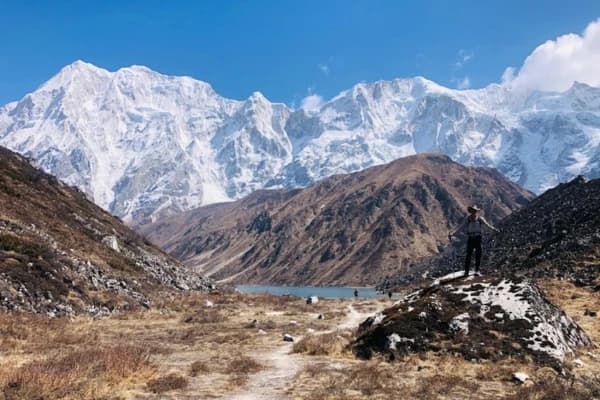
Langtang provides you a wide-open glacier valley. Langtang Lirung towers over the valley floor, and the Tserko Ri views into Tibet are breathtaking. But it's a different visual; you're looking up and outward rather than standing inside a ring of peaks.
4. Culture on the Trail
Annapurna Base Camp passes through Gurung villages in the lower sections. Ghandruk and Chhomrong especially are traditional, warm, and well-set-up for trekkers. Higher up, you pass through the Magar and Thakali communities. The culture is varied and welcoming.
Langtang shifts toward Tibetan-Buddhist from day one. Tamang villages, mani walls, prayer flags, gompas that people still actively use, and yak herders who've worked their whole lives. Kyanjin Gompa feels like a real religious site, not a backdrop for photos. If cultural depth is what you're after, Langtang delivers something Annapurna Base Camp just can't match.
5. Teahouses, Food, and How Comfortable Your Nights Will Be
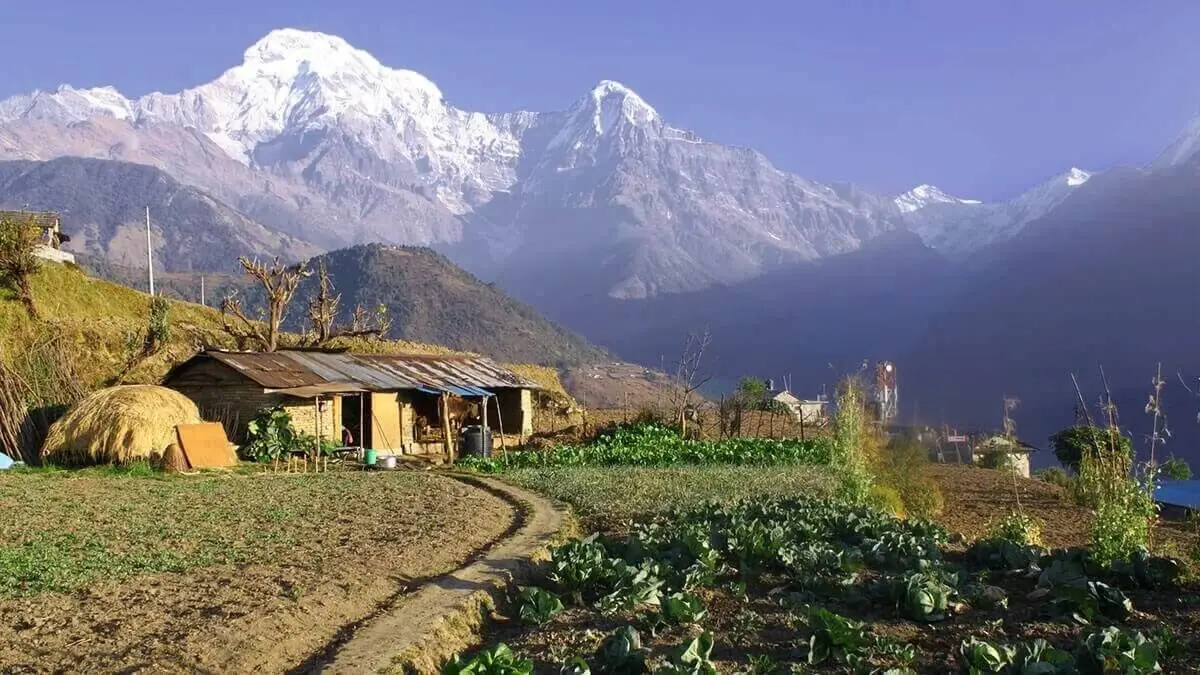
Annapurna Base Camp teahouses are solid. Menus stretch from apple pie, pizza, pasta, momos, and dal bhat all the classics. Most places have hot showers (for a fee), some have WiFi, and rooms are simple but reliable. It's well set up.
Langtang teahouses are more basic, especially above Lama Hotel. Family-run lodges offer simple meals, including dal bhat, noodles, eggs, and momos. WiFi disappears early. Hot showers are less reliable. But what about sitting down to eat with the family who owns the place? That's something Annapurna Base Camp's more commercial setup can't replicate, where as admiring the beauty of Mount Annapurna while eating is unforgettable and unmatched feelings, which Lantang Valley lacks.
Hot showers on both routes cost NPR 200–400 extra per shower. Budget for it.
6. Crowds on Annapurna Base Camp Trek vs Langtang Valley Trek
This area is where Langtang stands out. The Annapurna region pulls around 250,000–300,000 foreign trekkers a year. In October and April, popular teahouses need advance booking, the trail feels like a moving queue at busy sections, and you're rarely alone.
Langtang gets somewhere between 15,000 and 33,000 trekkers annually. That's maybe 10% of the traffic at Annapurna Base Camp. Even in peak October you'll walk for stretches without seeing another soul.
7. Altitude: Which Trek Is Easier on Your Body?
- Annapurna Base Camp: Climbs from around 1,000m to 4,130m. Decent natural acclimatization through Ghandruk (1,940m), Chhomrong (2,170m), and Machhapuchhre Base Camp (3,700m) before the top.
- Langtang: Tops out at 3,870 m at Kyanjin Gompa on the main trail. Go for Tserko Ri, and you hit 4,984 m higher than Annapurna Base Camp.
The Annapurna Base Camp vs. Langtang altitude difference on standard routes is 4,130 m vs. 3,870 m. Not huge. The altitude gap matters less than your pace; pushing too many meters in a day is where both trails get dangerous. Neither route is risk-free above 3,500m. Both need proper rest days built in.
Bottom line, Langtang's standard route sits slightly lower as compared to ABC trek. Tserko Ri flips that. Either way, don't rush.
Which Trek Is Actually Right for You?
Choosing between Annapurna Base Camp and Langtang Valley isn't about which trek is better it's about which one matches your travel style, fitness level, budget, and expectations. Both offer stunning Himalayan scenery and unforgettable experiences, but they appeal to different types of trekkers.
Whether you're a first-time visitor to Nepal, a photographer, a culture enthusiast, or someone looking for a challenging adventure, this guide will help you find the trek that best fits your goals.
First-Time Himalayan Trekker
Both work. When it comes to the best trek in Nepal for beginners, both routes come up regularly and for good reason. Annapurna Base Camp has better infrastructure to catch you if something goes wrong and a more dramatic end goal. Langtang is easier on the legs and simpler to reach.
Are you considering the Annapurna Base Camp trek or the Langtang trek for beginners? Langtang edges ahead in difficulty. But if you've been training on stairs and have decent cardio, Annapurna Base Camp is absolutely in reach.
Short on Time
Langtang Valley Trek is shorter than Annapurna Base Camp Trek. The trip will take six to eight days, with no detour to Pokhara, and the road will be straight from Kathmandu. You're in the mountains faster than any other major trek in Nepal.
Landscape Photographer
Annapurna Base Camp for the enclosed amphitheater sunrise shots there's nothing quite like that light on the Annapurna Sanctuary walls at 5am. Langtang for wide glacier valley compositions and Tibetan village texture. Both are extraordinary. Pick based on the style of shot you're after.
Budget Trekker
Langtang is short and budget friendly trek. When you closely examine the costs, transport, duration, and daily spending for Annapurna Base Camp versus Langtang, Langtang is cheaper in every category. Skip the Pokhara leg, and that's already $30–130 saved before you've even started.
Culture Seeker
Langtang is rich in culture. The Tibetan-Buddhist atmosphere on this trail goes deeper than anything you'll find on the Annapurna Base Camp route. It's a living culture, not a tourist display.
Comfort Seeker
Annapurna Base Camp is more comfortable due to insfrastructure development. The teahouse network is simply more developed. More food options, better rooms, and more reliable facilities at each stop.
Wants a Challenge
Annapurna Base Camp is the destination for the sanctuary push and the staircase sections. Langtang if you're going for Tserko Ri at 4,984 m combined with Gosaikunda, it can be turned into a proper adventure.
Not sure which trek matches your travel style? Get a free trekking consultation. Talk to our trekking team, and let us help you choose the right Himalayan adventure.
Final Verdict: Annapurna Sanctuary or Langtang Valley?
People keep asking which trek is better, Annapurna Base Camp or Langtang, and they want one clear answer. So here it is:
Pick Annapurna Base Camp if:
- You want the classic bucket-list Himalayan amphitheater moment
- Comfort and food variety matter on your off days
- Crowds don't bother you much
- You've got 10–13 days and a bit more money to spend
Pick Langtang Valley if:
- You want fast access to the mountains without the Pokhara stop
- Quiet trails and real cultural depth are priorities
- You're watching the Annapurna Base Camp vs. Langtang cost gap and need to save money
- It's your first high-altitude trek and you want a gentler gradient
Both routes answer the core question of the best trek in Nepal for beginners and seasoned trekkers, but they do so in different ways. Annapurna Base Camp is about spectacle. Langtang is about substance.
Final Thought
The Annapurna Base Camp Trek vs. Langtang Valley Trek debate has no single winner. Both offer incredible Himalayan experiences, but they suit different types of trekkers. Choose Annapurna Base Camp if you want Nepal's classic trekking experience, dramatic mountain scenery, and a memorable journey into the heart of the Annapurna Sanctuary.
Choose Langtang Valley if you prefer quieter trails, rich Tamang culture, lower costs, and a shorter trek with fewer crowds. For first-time trekkers with limited time and budget, Langtang is often the easier choice. Annapurna Base Camp remains a top choice for those in search of an iconic Himalayan adventure.
No matter which trek you choose, you'll experience some of the most beautiful mountain landscapes in Nepal.
Ready to experience the Himalayas for yourself? Contact Nepal Gateway Trekking today and start planning your Annapurna Base Camp or Langtang Valley adventure.
FAQs
Which trek is better for beginners, the Annapurna Base Camp trek or the Langtang trek?
Both treks are beginner-friendly with proper preparation. However, Langtang is generally easier due to its gentler trail, lower standard altitude, and fewer steep staircases. Annapurna Base Camp is also achievable for beginners with good fitness and preparation.
Which trek is easier on the knees?
Langtang is much easier on the knees. The trail follows a steady valley ascent without the long stone staircase sections found on the Annapurna Base Camp route. This makes it a better option for trekkers with joint concerns.
Do I need a guide for either trek?
A licensed guide is mandatory for Langtang Valley Trek. While you can still trek to Annapurna Base Camp independently in some cases, we highly recommend hiring a guide for safety, navigation, and local insights.
Which trek has a higher altitude sickness risk?
Both treks reach elevations where altitude sickness can occur. Annapurna Base Camp reaches 4,130 m, while Kyanjin Gompa in Langtang sits at 3,870 m. Proper acclimatization and a slow pace are important on both routes.
Can I see Everest from either trek?
No, Everest is not visible from either trek. Annapurna Base Camp is located in the Annapurna region, while Langtang lies near the Tibet border. Both offer stunning Himalayan views, but not of Everest.
What is the best time to trek?
Spring (March–May) and autumn (October–November) are the best seasons for both treks. These months offer clear skies, pleasant temperatures, and excellent mountain views. Winter and monsoon treks are possible but come with extra challenges.
Which trek has better mountain views?
Both offer incredible scenery but in different ways. Annapurna Base Camp surrounds you with towering peaks inside a natural mountain amphitheater. Langtang provides expansive glacier valleys and sweeping views toward Tibet.
Which trek is less crowded?
Langtang is significantly less crowded than Annapurna Base Camp. Even during peak trekking seasons, you'll often find quieter trails and more peaceful teahouses. It's ideal for trekkers seeking solitude.
Is Langtang cheaper than Annapurna Base Camp?
Yes, Langtang is usually the more affordable option. Transportation expenses are lower since there is no need to travel through Pokhara. The shorter itinerary can also reduce overall trekking expenses.
How many days are needed for Annapurna Base Camp?
Most trekkers complete the Annapurna Base Camp Trek in 9–11 days. This provides sufficient time for acclimatization and ensures a comfortable pace. Shorter itineraries are possible but can feel rushed.