If you are planning to go trekking in Nepal in autumn (September to November), you will be right in the middle of the best mountain season in the country. Every year, thousands of adventurers come to enjoy the best of Nepal’s autumn trekking. The summer monsoon clears the air of dust, revealing razor-sharp mountain panoramas against crisp, deep-blue skies.
The weather and colors in Nepal during autumn are mostly reliable if you want to stand in front of Mount Everest, cross high alpine passes, or experience the old customs of the villages. Besides the unspoiled trails, the autumn season of Nepal trekking coincides with the biggest cultural festivals of the country, Dashain, Tihar, and Mani Rimdu, providing an excellent combination of wilderness adventure and cultural celebration.
This guide has everything you need to plan an epic trip: month-by-month weather breakdown, route comparisons for best autumn treks in Nepal, permit rules and regulations, packing essentials, and expert tips from Nepal Gateway Trekking.
Quick Answer:
Autumn (September to November) is the best season for trekking in Nepal. It features stable weather, crystal-clear mountain views, and major cultural festivals. September is lush and green, October offers peak conditions with perfect visibility, and November brings crisp air and fewer crowds. Popular routes range from Everest Base Camp and Annapurna Circuit to beginner-friendly Ghorepani Poon Hill. Essential preparation includes booking months in advance, hiring a mandatory licensed guide, and packing warm layers and a sleeping bag rated down to -10°C.
Why Autumn Is the Best Season for Trekking in Nepal?
The autumn trekking season in Nepal begins with the retreat of the southwest monsoon winds from mid-September to late November. The post-monsoon weather is lovely all along the Himalayan range.
- Stable weather patterns: High-pressure systems frequently dominate the area, resulting in long periods of dry, stable weather with minimal precipitation.
- Best Mountain Views: The rain sweeps away dust and haze and offers crystal-clear views of snow-capped peaks from morning until evening.
- Temperatures are pleasant: Daytime temperatures in mid-hill valleys are warm, and high-altitude walking conditions are comfortable.
- Safe, Dry Trails: After mid-September, the risk of mud and landslips falls sharply, leaving walking trails firm and safe.
- Longer Daylight Hours: Plenty of sunlight means relaxed trekking schedules and loads of buffer time before the sunset.
Seasonal Comparison
|
Feature |
Autumn (Sep–Nov) |
Spring (Mar–May) |
Winter (Dec–Feb) |
Monsoon (Jun–Aug) |
|
Primary Highlight |
Crystal-clear skies & festivals |
Wildflower & rhododendron blooms |
Quiet trails & crisp air |
Lush greenery & empty routes |
|
Weather Stability |
Very High |
High |
High (Cold) |
Low (Heavy Rain) |
|
Visibility |
Exceptional (10/10) |
Good to Moderate (Hazy afternoons) |
Excellent (8/10) |
Poor (Cloud cover) |
|
Trail Conditions |
Dry and solid |
Dry and dusty |
Ice/Snow on high passes |
Mud & leeches present |
|
Crowd Levels |
High (Peak season) |
High (Secondary peak) |
Low |
Very Low |
|
Recommended For |
All trekkers & major routes |
Flower lovers & high-passes |
Experienced trekkers (Lower altitudes) |
Rain-shadow treks (Mustang/Dolpo) |
Still deciding when to trek? Compare autumn with other trekking seasons to find the best treks in Nepal's Himalayan adventure.
What Makes September, October, and November Different?
- Unfiltered Panoramic Views: After the monsoon, the atmospheric pressure clears the air of the dust and gives a clear view of the 8000-meter giants like Mount Everest, Annapurna, and Dhaulagiri.
- Post-Monsoon Lushness: The summer rains have made the valleys lush green, contrasting sharply with the snow-capped mountains.
- Pleasant Daytime Temperatures: Walking conditions remain pleasantly warm enough for light layers during the day, but they are not so hot that they become unbearable or so cold that they feel frigid.
- Cultural Immersion & Festivals: Nepal’s major festivals are Hindu and Buddhist and take place in the autumn. To add cultural depth to your trip, celebrate the village customs during the festivals of Dashain, Tihar, or Mani Rimdu at the Tengboche Monastery.
- Rich Mountain Biodiversity: Autumn Wildlife Activities Trekkers in Sagarmatha, Annapurna, and Langtang national parks often see musk deer, Himalayan tahr, danphe, and the occasional red panda.
Understanding each month helps you choose the best time to visit Nepal for trekking during autumn:
|
September |
October |
November |
|
Transition & Lush Green |
Peak Season Perfection |
Crisp Air & Fewer Crowds |
|
Early-month showers |
Unmatched mountain visibility |
Colder nighttime temperatures |
|
Cascading waterfalls |
Ideal trekking temperatures |
Quiet and peaceful trails |
|
Verdant post-monsoon landscapes |
Festive atmosphere (Dashain & Tihar) |
Crystal-clear Himalayan skies |
Trekking in September:
- Pros: The trails are lush and green, the waterfalls are roaring at full blast, and the main routes are quiet in early September.
- Cons: Possible residual monsoon clouds and brief afternoon showers for the first two weeks.
- Best Routes:Ghorepani Poon Hill, Annapurna Circuit, Langtang Valley, Upper Mustang.
Trekking in October:
- Pros: October trekking in Nepal provides the best of Himalayan conditions: nearly perfect weather, ultra-clear visibility, comfortable walking temperatures, and lively festival vibes (Dashain & Tihar).
- Cons: Popular routes and teahouses are full to the brim, so advance flight and accommodation bookings are essential.
- Best Trails: Everest Base Camp, Annapurna Base Camp, Manaslu Circuit, Three Passes Trek, Mardi Himal
Trekking in November:
- Pros: Trekking in Nepal in November is dry and stable and has clear skies with noticeably thinner crowds as the month goes on.
- Cons: The temperature drops quickly at night, especially at altitudes over 3,500 meters (11,480 feet). Some early snow may be possible on the high passes in late November.
- Best Treks: Everest Base Camp, Annapurna Base Camp, Langtang Valley, Ghorepani Poon Hill, and Mardi Himal.
Weather in Nepal During Autumn
Understanding altitude-dependent weather patterns helps you pack correctly and maintain comfort throughout your trek.
Elevation Weather Breakdown (Autumn Averages):
- 1,000m – 2,500m (Valleys): Warm days (20°C to 25°C), mild nights (10°C to 14°C)
- 2,500m – 4,000m (Mid-Altitude): Comfortable walking (12°C to 18°C), cool nights (0°C to 5°C)
- 4,000m – 5,550m (High-Altitude): Crisp days (2°C to 10°C), freezing nights (-5°C to -15°C)
Autumn Seasonal Overview Table
|
Month |
Temp (Lower / High Alt) |
Visibility |
Trail Conditions |
Crowd Level |
Recommended For |
|
September |
15°C to 24°C / -2°C to 10°C |
Moderate to High |
Moist to Dry |
Moderate |
Nature lovers, budget trekkers |
|
October |
10°C to 20°C / -8°C to 8°C |
Exceptional |
Dry & Firm |
Peak |
First-timers, classic base camp routes |
|
November |
5°C to 18°C / -12°C to 4°C |
Outstanding |
Dry & Crisp |
Moderate |
Photographers, high-pass adventurers |
Best Treks in Nepal During Autumn
Nepal’s diverse geography accommodates every fitness level, travel timeline, and personal style. Here are the premier routes featured among the best autumn treks in Nepal:
Everest Base Camp trek
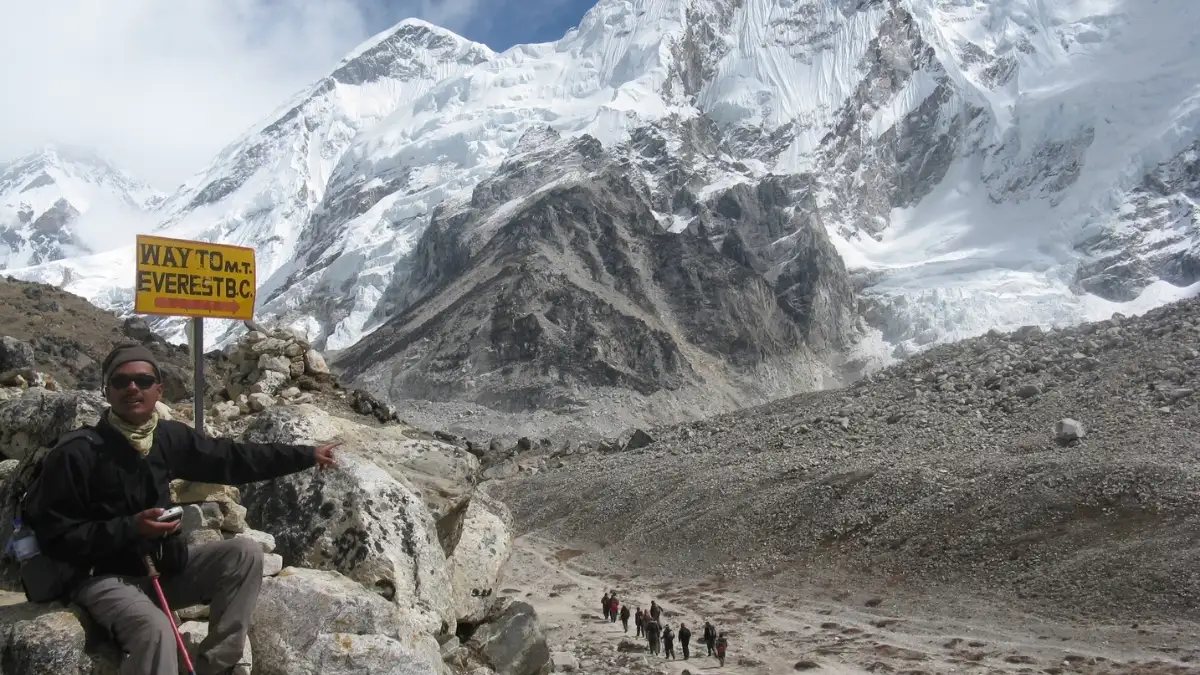
- Duration: 14 Days
- Highest Elevation: 5,545 m (Kala Patthar)
- Difficulty: Moderate to Challenging
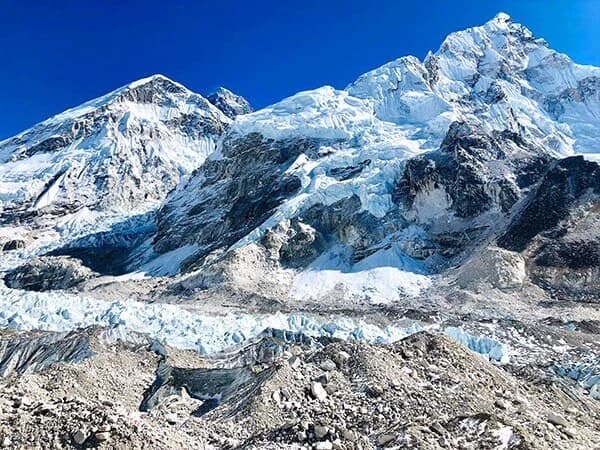
- Why Autumn Is Best: Cool weather with clear views of Everest, Lhotse, Nuptse, and Ama Dablam.
- Highlights: Everest Base Camp (5,364 m), sunrise from Kala Patthar, Sherpa culture in Namche Bazaar, and Tengboche Monastery.
Annapurna Base Camp Trek
- Duration: 13 Days
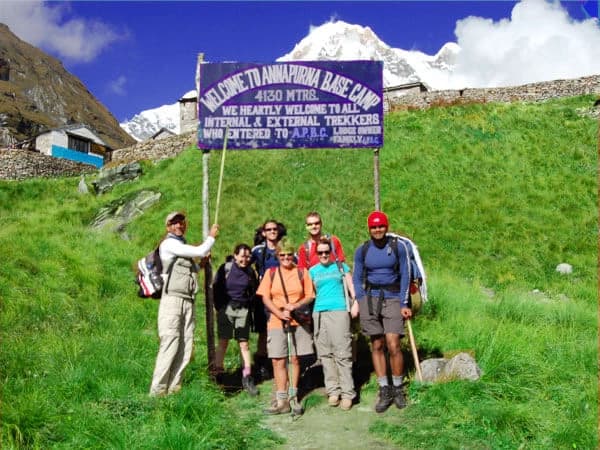
- Altitude: 4,130 m
- Difficulty: Moderate
- Best Time to Trek in Annapurna: October and November offer dry trails through the Modi Khola gorge leading into the Annapurna Sanctuary, a 360-degree mountain amphitheater.
- Highlights: Close-up view of Annapurna I (8091 m), Machhapuchhre, cozy teahouses, and natural hot springs at Jhinu Danda.
Annapurna Circuit Trek
- Duration: 18 Days
- Maximum Altitude: 5,416 m (Pass Thorong La)
- Difficulty: Difficult
- Why autumn is the best time: the dry tracks make crossing high passes far safer than in the icy winter months.
- Trek Highlights: Trekking from subtropical rice terraces to alpine desert terrain, crossing Thorong La Pass, visiting Muktinath, and Dhaulagiri views.
Langtang Valley Trek
- Duration: 10 Days
- Max. Altitude: 4,773 m (Kyanjin Ri)
- Difficulty: Moderate
- Why Autumn Is Best: Langtang is close to Kathmandu, so it’s easy to get to high alpine wilderness, and the walking conditions are pleasant in autumn.
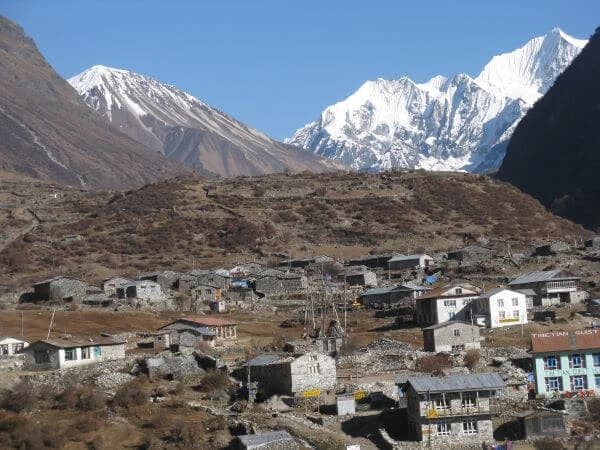
- Highlights: Rich Tamang cultural heritage, breathtaking views of Langtang Lirung, yak cheese factories at Kyanjin Gompa, and rewarding hikes to Kyanjin Ri.
Manaslu Circuit Trek
- Duration: 16 Days
- Max Altitude: 5,106 m (Larkya La Pass)
- Difficulty: Challenging (Restricted Area)
- Why Autumn is the Best: Autumn is a perfect time for reliable weather to cross the Larkya La Pass on this pristine off-the-beaten-path trail.
- Highlights Trekking around Mt. Manaslu (8163m) Discover unspoiled wilderness Explore genuine Tibetan-influenced villages Abundant wildlife
Trek to Mardi Himal
- Duration: 11 Days
- Max Altitude: 14,763 ft (Mardi High Camp)
- Difficulty: Moderate
- Why Autumn is Ideal: Crisp autumn weather offers panoramic views of the ridges with direct views of Machhapuchhre and Annapurna South.
- Highlights: Quiet forest trails, spectacular ridgeline walking, stunning views for sunrises, shorter timeframe.
Best Trek in Nepal for First-Timers: Ghorepani Poon Hill Trek
- Duration: 8 Days
- Highest Point: 3,210 m (Poon Hill)
- Difficulty: Easy to Moderate
- The best trek in Nepal for beginners because the weather is pleasant, the altitude is low, and the trails are well paved. Best choice for families and first-time Himalayan trekkers.
- Highlights: Sunrise views of the Annapurna and Dhaulagiri ranges, Gurung culture in Ghandruk village, and a comfortable teahouse stay.
Upper Mustang Trek
- Duration: 16 Days
- Max Altitude: 3,840 m (Lo Manthang)
- Difficulty: Moderate (Restricted Area)
- Autumn is the best time to visit Mustang, which lies in the rain shadow of the Himalayas and enjoys bright, dry, sunny conditions throughout late autumn.
- Highlights: Explore the walled medieval capital of Lo Manthang, ancient cave complexes, red-rock canyons, and unspoiled Tibetan Buddhist traditions.
Ready to turn your autumn trekking dream into reality? Explore our carefully designed trekking packages and choose the best-selling trips for your experience and travel style.
Trekking Difficulty Levels in Nepal During Autumn
Understanding the route helps ensure a safe, enjoyable expedition:
|
Route |
Standard Days |
Max Altitude |
Difficulty Rating |
Beginner Friendly? |
|
Ghorepani Poon Hill |
8 Days |
3,210 m |
Easy – Moderate |
Yes |
|
Langtang Valley |
8 Days |
4,773 m |
Moderate |
Yes (With basic fitness) |
|
Mardi Himal |
11 Days |
4,500 m |
Moderate |
Yes |
|
Annapurna Base Camp |
18 Days |
4,130 m |
Moderate |
Yes (Good stamina required) |
|
Everest Base Camp |
14 Days |
5,545 m |
Moderate – Demanding |
Yes (If proper acclimatization followed) |
|
Annapurna Circuit |
18 Days |
5,416 m |
Demanding |
Moderate |
|
Upper Mustang |
16 Days |
3,840 m |
Moderate |
Yes |
|
Manaslu Circuit |
16 days |
5,106 m |
Demanding |
No (Requires previous trekking experience) |
Permits Required for Trekking in Nepal During Autumn
Trekking in Nepal requires specific regional permits and mandatory guide compliance:
Important Government Regulatory Update: Under Nepal's updated regulations, foreign trekkers in national parks and conservation areas must be accompanied by a government-licensed guide booked through a registered agency. For safety and sustainability, regulations strictly restrict solo, unguided trekking on regulated routes.
Comprehensive Permit Summary Table
|
Trekking Region |
Required Permit 1 |
Required Permit 2 |
Restricted Area Permit (RAP)? |
|
Everest Region |
Sagarmatha National Park Permit (NPR 3,000 + VAT) |
Khumbu Pasang Lhamu Permit (NPR 3,000) |
No |
|
Annapurna Region |
Annapurna Conservation Area Permit / ACAP (NPR 3,000) |
E-TIMS Card (Where applicable) |
No (Except Upper Mustang/Nar Phu) |
|
Langtang Region |
Langtang National Park Permit (NPR 3,000 + VAT) |
E-TIMS Card (NPR 2,000) |
No |
|
Manaslu Region |
Manaslu Conservation Area Permit / MCAP (NPR 3,000) |
Annapurna Conservation Area Permit / ACAP |
Yes ($100/week peak autumn) |
|
Upper Mustang |
Annapurna Conservation Area Permit / ACAP (NPR 3,000) |
N/A |
Yes ($500 for first 10 days) |
Packing List for Trekking in Nepal During Autumn
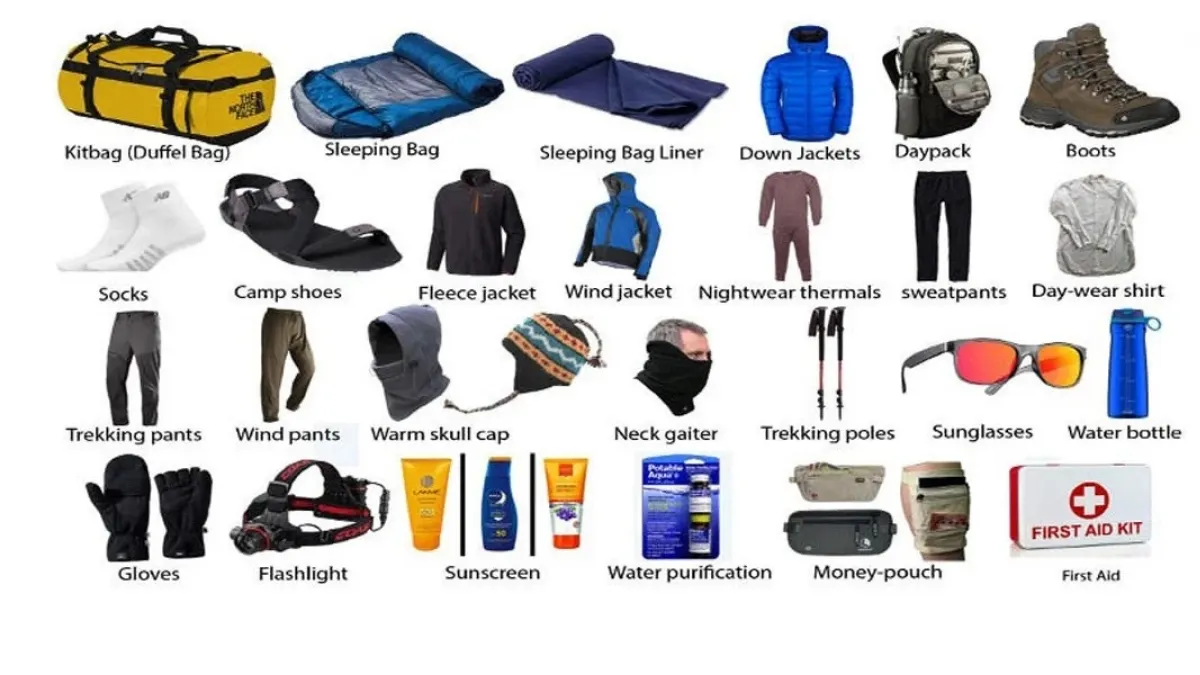
Packing strategically with a layering system keeps you comfortable through warm daytime walks and freezing high-altitude nights:
The Three-Layer Clothing System
- Base Layer: Moisture-wicking thermal tops and bottoms to keep your body dry and regulate temperature.
- Insulation Layer: A fleece jacket or lightweight down jacket to retain body heat in cooler conditions.
- Outer Layer: A windproof and waterproof jacket with rain pants to protect against wind, rain, and sudden weather changes.
Clothing and Footwear
- 2-3 thermal tops and bottoms, wicking base layers
- Lightweight trekking trousers and quick-dry trekking shirts
- Mid-layer fleece jumper or soft shell jacket
- High-quality heavy down jacket, rated to -10°C / -15°C
- Windproof/waterproof jacket and rain pants.
- Waterproof hiking boots, well broken in, with good ankle support
- Lightweight camp shoes or sandals for evening use in teahouses.
- Thermal wool socks, 3 to 4 pairs Synthetic liner socks
- Beanie in warm wool/fleece and sun hat with UV protection
- Light gloves and water-resistant insulated winter gloves
Gear & Electronics
- 35L-45L day pack (if using a porter) or 60L-70L pack
- Sleeping bag (for high elevations, -10°C to -15°C)
- Durable and adjustable trekking poles
- UV-blocking sunglasses (Category 3 or 4)
- High-capacity (10,000–20,000 mAh) power bank
- Headlamp with spare batteries or USB charging cable
- Water bottles (reusable) or hydration bladder + water purification tablets/filters
Personal Items & Documents & Health
- Passport, extra passport photos, paper copies of trekking permits
- Travel insurance policy document specifically covering high-altitude evacuation (up to 6,000m)
- Personal first-aid kit: Diamox (altitude sickness medication), ibuprofen, blister plasters, rehydration salts, band-aids
- Broad-spectrum sunscreen (SPF 50+) and lip balm with SPF
- Biodegradable Wet Wipes, Hand Sanitizer, and Quick-Dry Travel Towel
- Local cash in Nepali rupees (NPR) for personal expenses such as snacks and charging devices.
Accommodation and Food During Trekking in Nepal During Autumn
Accommodation and food are important parts of your trekking experience in Nepal in autumn. Most popular trekking routes have comfortable teahouse stays and freshly prepared local meals. Knowing what to expect helps you pack well, stay energized, and enjoy a safe and comfortable journey through the Himalayas.
Tea House Stays
Trekking in Nepal is dependent on local teahouses, family-run mountain lodges offering shelter, warm dining rooms, and cooked meals.
- Rooms: Standard rooms are equipped with basic wooden twin beds, clean mattresses, pillows, and blankets. (It is highly recommended to use your sleeping bag inside teahouses during peak autumn cold nights.)
- Bathroom Facilities: Lower elevations have flush toilets, attached or shared. Upstairs the facilities revert to bare, shared squat toilets. Hot showers are usually available for a small extra charge ($2-$5), heated by gas or solar power.
- The dining halls are heated by central wood-burning or yak-dung stoves. Most places have charging electronics and Wi-Fi for a small fee ($2-$5).
Normal Daily Teahouse Meal Cycle:
- Breakfast: Hot porridge, eggs (fried/scrambled/boiled), Tibetan bread, pancake, hot lemon/ginger tea
- Lunch: Dal Bhat (rice, lentil soup, vegetable curry, pickles) or vegetable noodles/pasta;
- Dinner: Dal Bhat, momos (dumplings), soup, potato dishes, hot tea/hot chocolate.
Food and Hydration
- Dal Bhat Power: The national dish of rice, lentil soup, and fresh vegetable curry is fresh, nutritious, refillable, and gives optimal energy for trekking.
- Hydration & Hygiene: Drink 3 to 4 liters of water per day to help with acclimatization. Avoid use of disposable plastic bottles. Use reusable bottles with boiled or filtered water with purification tablets. At higher altitudes where refrigeration of meat is unreliable, stick to vegetarian fare.
Transportation and Logistics for Trekking in Nepal During Autumn
- Kathmandu to Pokhara: a 25-minute domestic flight or a scenic 6-8 hour drive by tourist bus or private 4WD jeep.
- Kathmandu to Lukla Flights (Everest Region): During the high season of autumn (October/November) flights to Lukla are often diverted from Kathmandu’s Tribhuvan International Airport to Ramechhap (Manthali Airport) (a 4-hour drive from Kathmandu) to reduce air traffic congestion.
- Jeep Transfers: Local 4WD jeeps go to remote trailheads such as Besisahar/Chame (Annapurna Circuit), Syabrubesi (Langtang), or Sotikhola/Machhakhola (Manaslu).
- Logistical Tip: Even in clear autumn months, mountain weather in Lukla or Jomsom can create temporary flight delays. Always keep 1 to 2 buffer days at the end of your itinerary in Kathmandu before your international flight home.
Festivals You Can Experience During Trekking in Nepal During Autumn
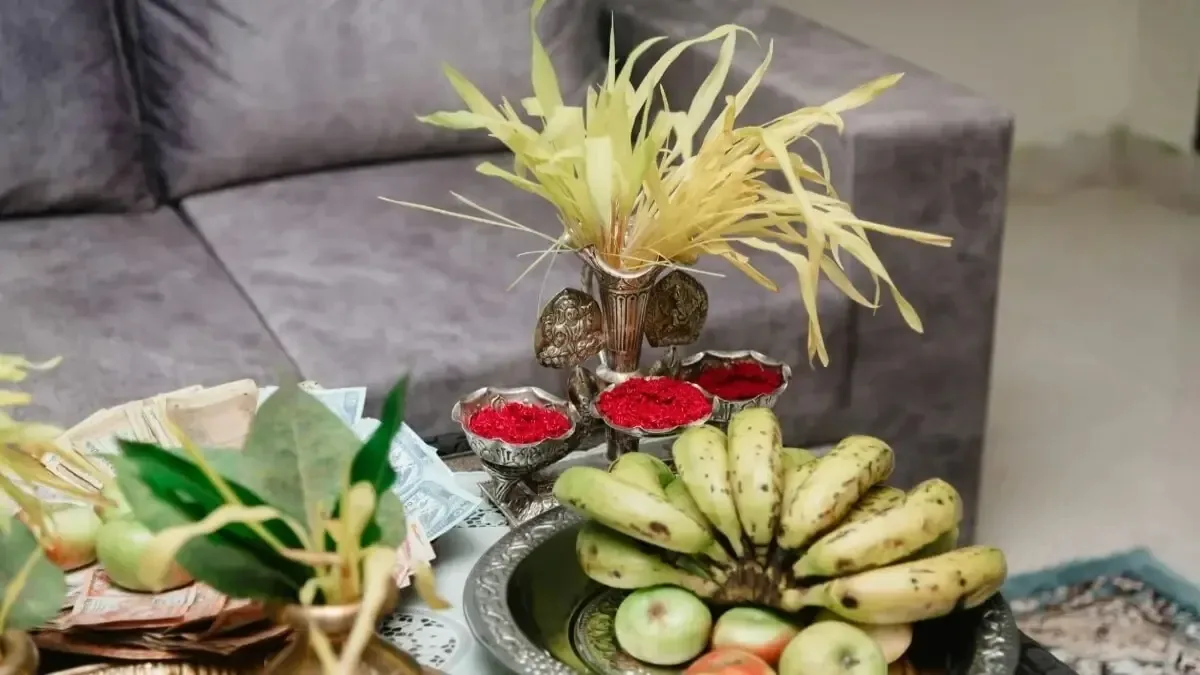
Autumn trekking in Nepal offers a unique opportunity to experience the country’s richest cultural traditions:
Autumn Festivals in Nepal
- Tihar (October/November): A festival of lights honoring animals, family ties, and Goddess Laxmi.
- Mani Rimdu (Oct/Nov): Colorful Sherpa Buddhist mask dance at the Tengboche monastery.
- Dashain (September/October): 15-day celebration of good vs. evil in Nepal, the largest Hindu festival, lasting 15 days. In mountain villages, you’ll see large bamboo swings raised, families gathering in traditional attire, and receiving elders’ blessings (Tika).
- Tihar (October/November): The five-day festival of lights. Villages along the trail glow with oil lamps, marigold garlands, and colorful rangoli. Heartwarming ceremonies honor crows, dogs, cows, and brothers.
- Mani Rimdu (October/November in Tengboche): A 19-day sacred festival celebrated by the Sherpas at Tengboche Monastery in the Everest region. Monks dance elaborate rituals in colorful silken robes and masks rich in symbolism.
Safety Tips for Trekking in Nepal During Autumn
Safety is a product of careful preparation, proper pacing, and professional guidance:
How to Prevent Acute Mountain Sickness (AMS)
- Ascend slowly, with no more than a 300–500 meter net sleeping altitude gain per day above 3,000 meters.
- Have compulsory rest days for acclimatization (e.g., Namche Bazaar at 3,440 m and Dingboche at 4,410 m).
- Drink 3–4 liters of fluid per day and avoid alcohol and smoking while ascending.
If the headache or nausea is mild and does not go away, do not go higher. If your condition worsens, descend immediately.
Travel insurance and helicopter rescue
Make sure you get extensive travel insurance that covers high-altitude trekking and helicopter evacuation from up to 6,000 meters.
Guided Trekking
Daily health checks and oxygen saturation monitoring by licensed local guides from reputable operators, accommodation during the peak season rush, and safe handling of unforeseen emergencies.
Leave No Trace (LNT)
Help protect the Himalayan trails by carrying out disposable trash, using established footpaths, using refillable water bottles, and respecting the customs of the local community.
Common Mistakes to Avoid During Trekking in Nepal During Autumn
- Book too late: If you wait too long to organize your guide, flight, or permit, Lukla flights will be booked and beds in teahouses will be limited.
- Pack too much: Limit bag weight to 10-12 kg for porters and 6-8 kg for daypacks. Heavy packs tire you out and increase your risk of injury.
- Brand-New Boots: Unbroken boots mean serious blisters. Try your trekking boots on a few walks before you fly to Nepal.
- Ignoring Acclimatization Schedules: Fast climbing on high-altitude routes to save time greatly increases the chances of developing AMS. Use proven itineraries that include rest days.
- No cash with you: There are no ATMs or credit card terminals on mountain trails. Arrange for sufficient Nepalese rupees for your daily personal expenses, either in Kathmandu or Pokhara.
Final Thoughts
Nepal is the best place to trek during the autumn season. The skies are clear, the weather settles into a steady rhythm, and you get those postcard-perfect views of the Himalayas without the unpredictability of other seasons. It’s also when the trails are alive with festivals and local culture, so you’re not just walking through mountains; you’re walking through a living, breathing part of Nepal.
Whether it's your first time lacing up the boots for the Himalayas or you're coming back for a new route, autumn works for almost anyone. Fancy something short and scenic. Of course, a good trek doesn’t just happen. Choosing the right route, understanding the weather, packing reliable gear, sorting your permits well in advance, and sticking to a few basic safety habits all of that makes the difference between a trip you'll never forget and one you'd rather forget. Partnering with local guides who know the terrain is the best way to have a truly memorable experience.
Are you ready to experience the Himalayas at their best? Contact Nepal Gateway Trekking today to start customizing your autumn trekking itinerary with our expert team!
Frequently Asked Questions
October trekking in Nepal: Is it a good time?
October is regarded as the best month of the year for mountain adventures, & trekking in Nepal is best in October. The weather is stable, the trails are dry, the daytime temperatures are comfortable, and the views of the Himalayan mountains are clear.
What is the best month to go trekking in Nepal?
October is the best all-around month, with maximum visibility and settled weather. September brings lush green landscapes right after the monsoon, while November trekking in Nepal brings crisp, dry air and quieter trails.
Which is the best trek in Nepal for beginners?
If you are looking for the best treks in Nepal for beginners, then the Ghorepani Poon Hill Trek, Mardi Himal Trek, and Langtang Valley Trek are excellent options. Moderate walking hours per day, comfortable teahouse infrastructure, safe altitude profiles and spectacular mountain views
What is the best time to go trekking in the Annapurna region?
The best time for trekking in the Annapurna area of Nepal is the autumn months of October and November. These months have dry trails, little rain, comfortable walking conditions, and sweeping views of Annapurna I, Machhapuchhre, and Dhaulagiri.
What to Bring for Trekking in Nepal in Autumn?
Dress in three layers: a base that pulls moisture away from your skin, a middle of insulating fleece or down, and an outer shell that keeps out wind and water. Thick, well-worn trekking boots, thermal gloves, a warm beanie, UV sunglasses, sunscreen, a reusable water bottle, a power bank and a sleeping bag rated down to -10°C.
Can a Beginner Trek in Nepal in Autumn?
Yes. Autumn is a particularly good time for beginners with stable fall weather and well-maintained trail systems. It is essential to choose an appropriate route with a schedule for acclimatization built in, considering age and fitness.
How early should I book an autumn trek in Nepal?
Trekking in autumn is highly recommended to be booked from 2 to 4 months in advance. Domestic flights to Lukla/Pokhara are very popular, so it’s best to book early.